

Did you know that the calendars we use today have not been the calendars that have always been in use? Calendars have been revised many times over the ages by various leaders, governments, and even the church! As a result, the number of days in a year has changed many different times. My kiddos have had some questions about Leap Year so I thought I’d share of of the answers that we’ve found.
A leap year happens every four years, in a year that is divisible by 4 (but not 100), and an extra day known as Leap Day is added to February to give the month 29 days instead of the usual 28.
You can let your kiddos do some calculations to figure out what years are or are not leap years.
Here are some links where you can read more about these calendar changes:
Why are there 365 days in a year?
Our current calendar is more accurate as it takes approximately 365 1/4 days for the Earth to rotate one full turn. Our normal years are 365 days so every 4th year has an extra day added to it to make up for the extra hours. If we didn’t have a leap day then our seasons and months would eventually be outta whack.
This question leads to why are there 12 months in a year? Why do some months have more days than others? Why do we have 24 hours in a day? The questions are never-ending around here but here are answers to some of these questions:
The last 6 months of the year were originally named after the Latin words for the numbers 5-10. Then the names of the 5th and 6th months were changed to honor Julius Caesar and Augustus. These months were given 31 days as they were considered more important than the other months.
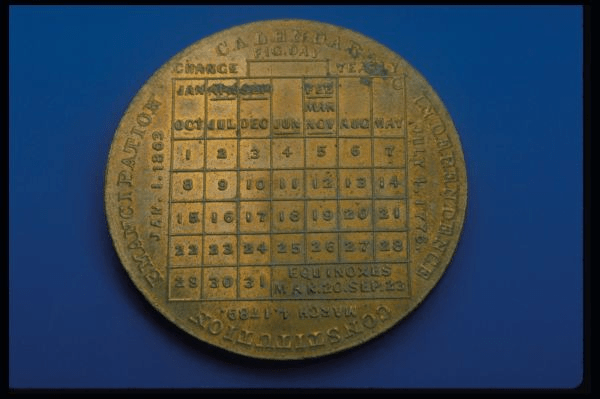
“Thirty days hath September, April, June, and November; All the rest have thirty-one, Excepting February alone. Which hath but twenty-eight, in fine, Till leap year gives it twenty-nine.”
old saying
WORLD WATCH NEWS: STREAM A WEEK FREE during the week of FEBRUARY 26-MARCH 3!
Why does February get the extra day?
Well, apparently the Romans had a 10-month calendar and later added January and February to the end of the year. Have you ever thought about this before? December means the 10th month but it is actually the 12th month on our current calendars! March 1st was the new year at one point in history… kinda makes us question a lot of things now… like Jesus may have been born earlier in the year than December!
Are you confused yet? Apparently, it was pretty confusing to everyone back then as well which was part of the reason the calendar changed.
February was a shorter month and sometimes a ‘leap month’, Mercedonius, would be added between February and March to make up for the differences between the lunar/solar months. With some inspiration from the Egyptians, Cesaer was able to make changes to the calendar to make it a little more accurate.
What superstitions and legends does Leap Year have?
Various superstitions surround Leap Day like:
- St. Patrick declared Leap Day, sometimes called Bachelor’s Day, to be a day when women could propose marriage.
- In Scotland, women should wear a red petticoat under their dress if they want to have success with proposing on Leap Day.
- Greeks considered it to be bad luck to be married on Leap Day
- Other countries also consider it bad luck but we have a meal to counter the ‘bad luck’ HERE.
- Christopher Columbus played a trick on the natives in 1504
- In Scotland they have a saying: ‘Leap year was ne’er a good sheep year.’ – Wanderlust
- Here is a link to an old newspaper article about Leap Year superstitions.
Leap Year Superstitions
What happens if you were born on Leap Year?
Well, you don’t stay young as your body will continue to age as the years pass. Most people, or Leaplings as they are called, who have birthdays on February 29th will celebrate on February 28th or March 1st of a non-leap year and then celebrate on the 29th for a leap year… they get their choice of when to celebrate.
We don’t have any birthdays on February 29th but we do plan to have a special meal for that day.
Special Winter Dinners w/Printable Recipes & Links
What questions do you or your kids have about Leap Year? Research them and turn them into a mini-lesson… you’ll have a lot of fun and might even learn something interesting.
We pray that you have a blessed day!
 Pollywog's Place Blog