
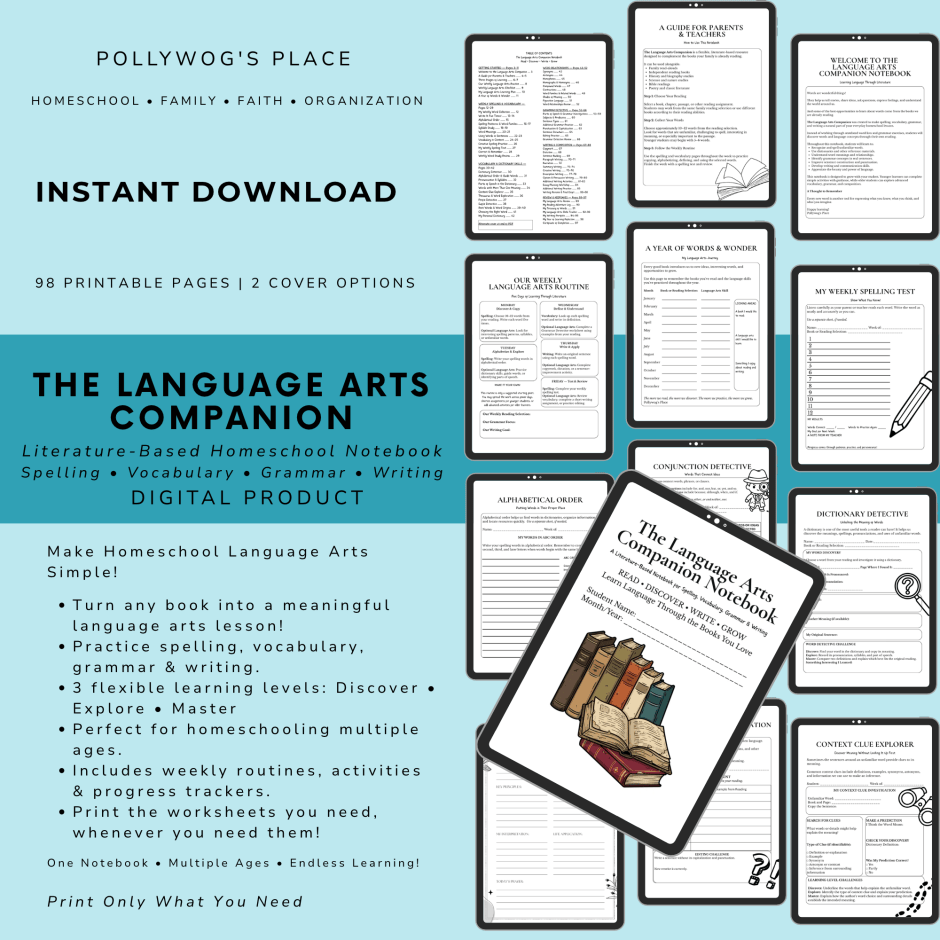
Turn Any Book Into a Language Arts Lesson!
If you’ve been homeschooling for any length of time, you probably know how quickly the curriculum can pile up.
There’s spelling, vocabulary, grammar, handwriting, reading comprehension, creative writing, and composition. Before you know it, you’ve got several different workbooks spread across the table, and you’re trying to keep track of which child needs to complete which assignment.
And if you’re homeschooling multiple ages? Well, that can make things even more interesting!
Over the years, I’ve come to appreciate anything that helps simplify our homeschool days without sacrificing the quality of our children’s education.
One thing I’ve learned is that language arts doesn’t have to be complicated to be effective.
In fact, some of the best opportunities for learning are already sitting on our bookshelves.
That’s the idea behind our newest homeschool resource from Pollywog’s Place:
A Literature-Based Notebook for Spelling, Vocabulary, Grammar & Writing.
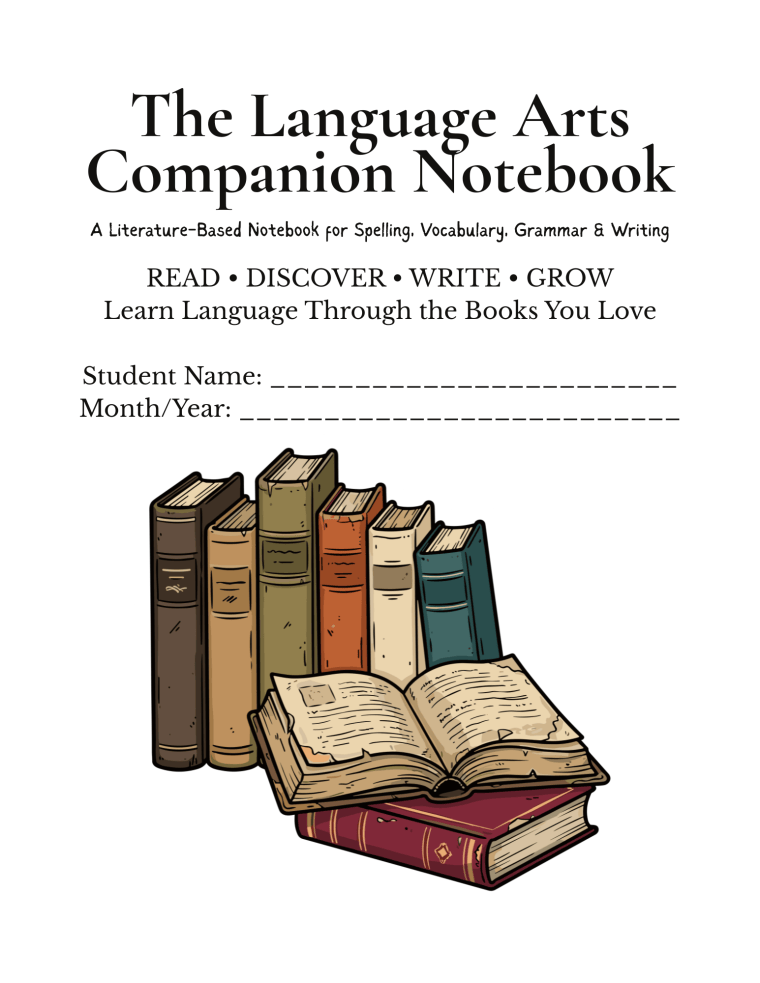
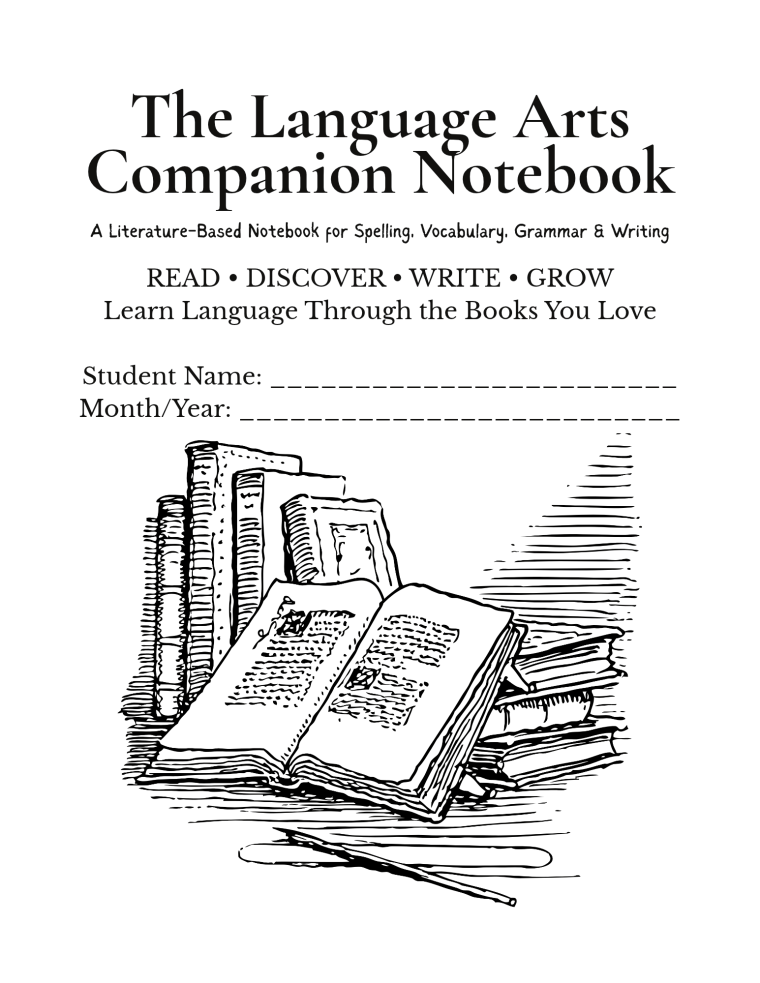
What If You Could Teach Language Arts Using Books You Already Own?
One of the things I love about literature-based learning is how naturally different subjects can work together.
Think about it.
Your child is already reading a wonderful book about an important historical figure, an exciting adventure, a scientific discovery, or perhaps a passage of Scripture.
Why not use that same reading selection to practice spelling, vocabulary, grammar, and writing?
Instead of introducing a completely unrelated list of spelling words, your child can collect interesting or unfamiliar words directly from their reading.
Instead of completing random grammar exercises, they can search for examples of nouns, verbs, adjectives, and sentence structures in the books they’re studying.
And instead of struggling to think of something to write about, they already have a story, person, event, or subject to inspire their writing.
One reading selection can become the foundation for an entire week of language arts lessons.
That means fewer disconnected assignments and more opportunities to make meaningful connections.
Introducing The Language Arts Companion
I created The Language Arts Companion to be a flexible, reusable resource that works alongside your family’s existing reading selections.
It’s not tied to one particular curriculum, book list, or grade level.
Instead, it provides a collection of guided activities that can be adapted to your child’s abilities.
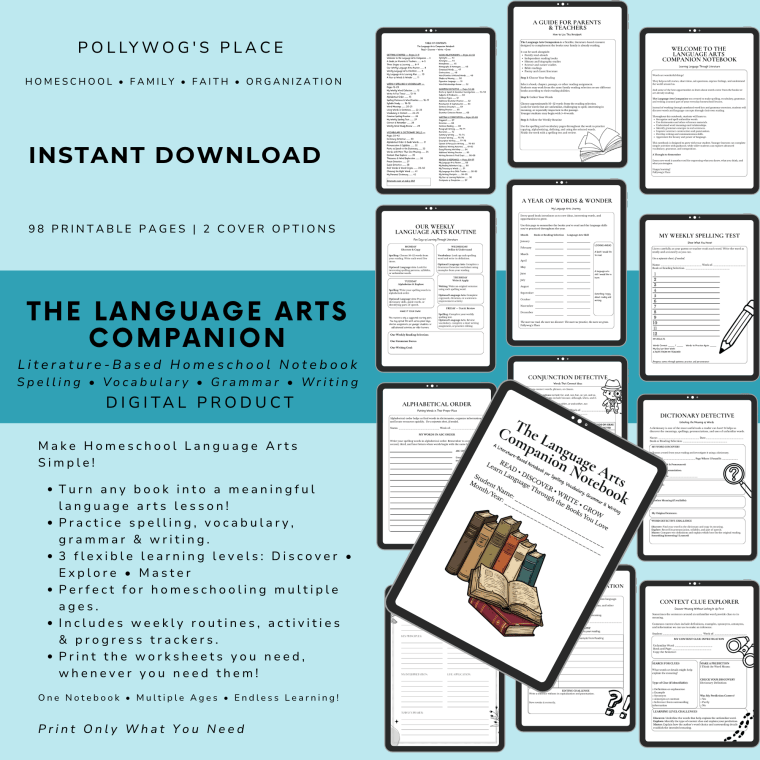
The notebook includes seven organized sections covering the foundational skills students need as they grow in reading and writing.
What’s Included?
1. Getting Started
Parent and teacher instructions, learning-level guidance, weekly routines, planning pages, and progress trackers to help organize your lessons.
2. Weekly Spelling & Vocabulary Practice
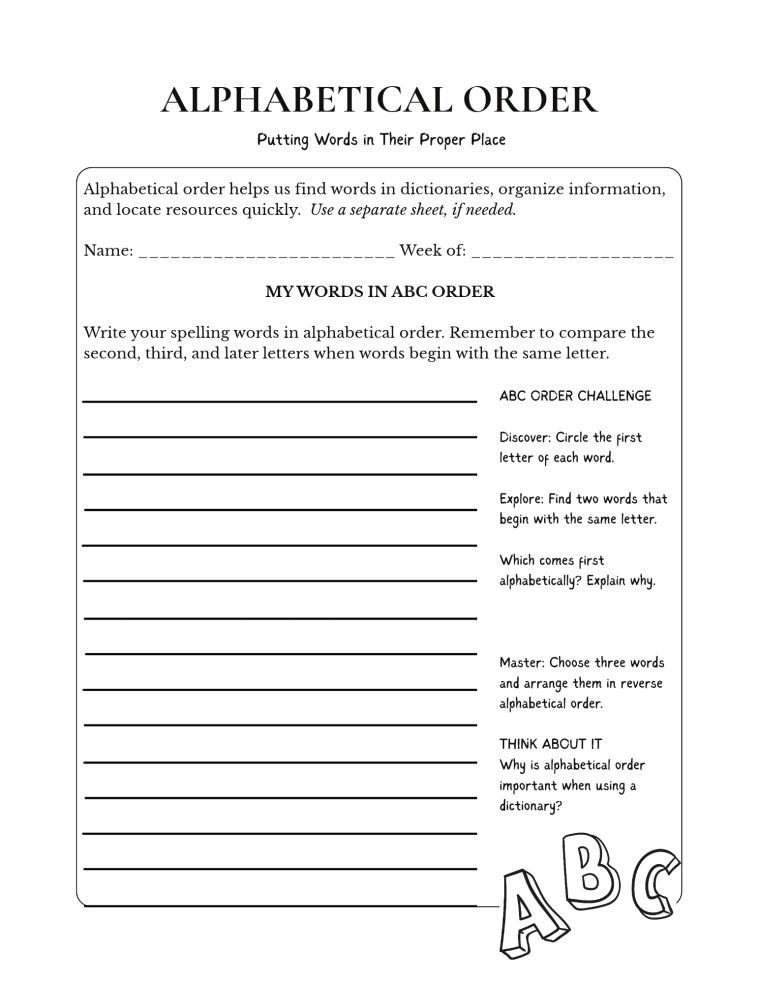
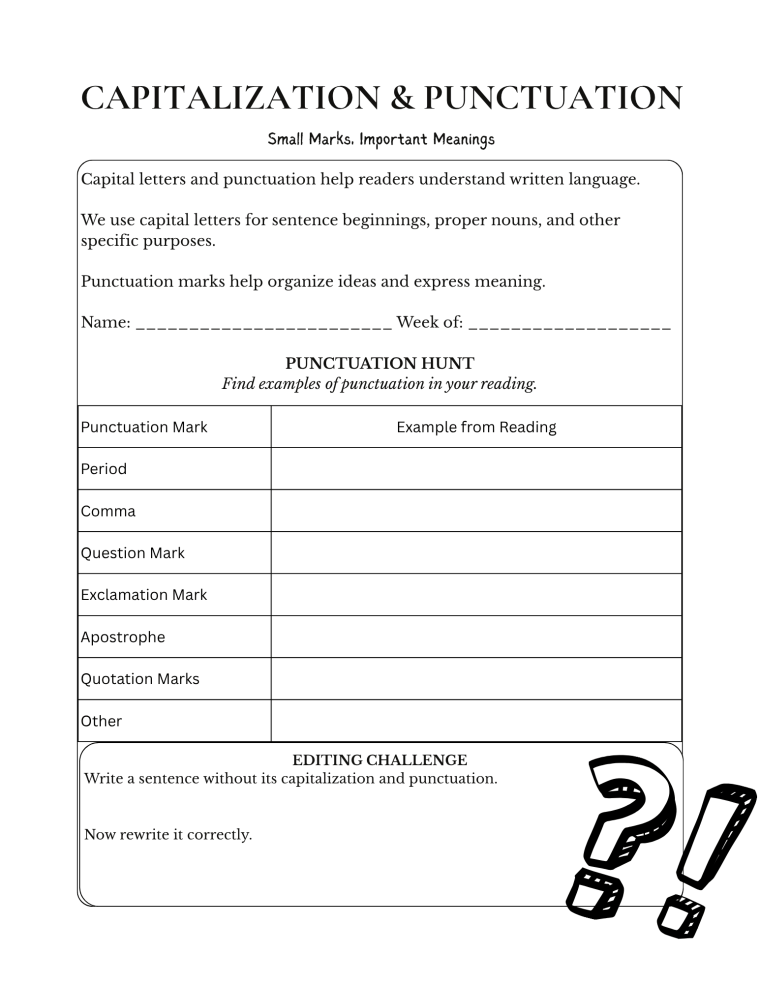
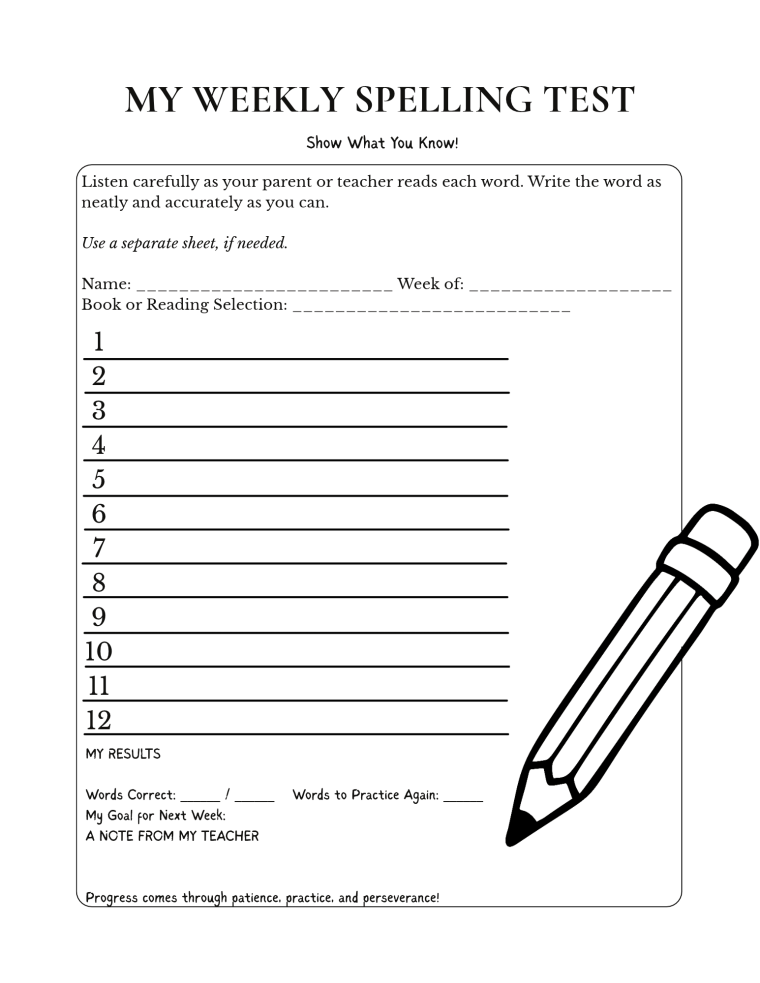
Activities include weekly word collection, spelling practice, alphabetical order, spelling patterns, syllables, vocabulary definitions, sentence writing, spelling tests, and review.
3. Vocabulary & Dictionary Skills
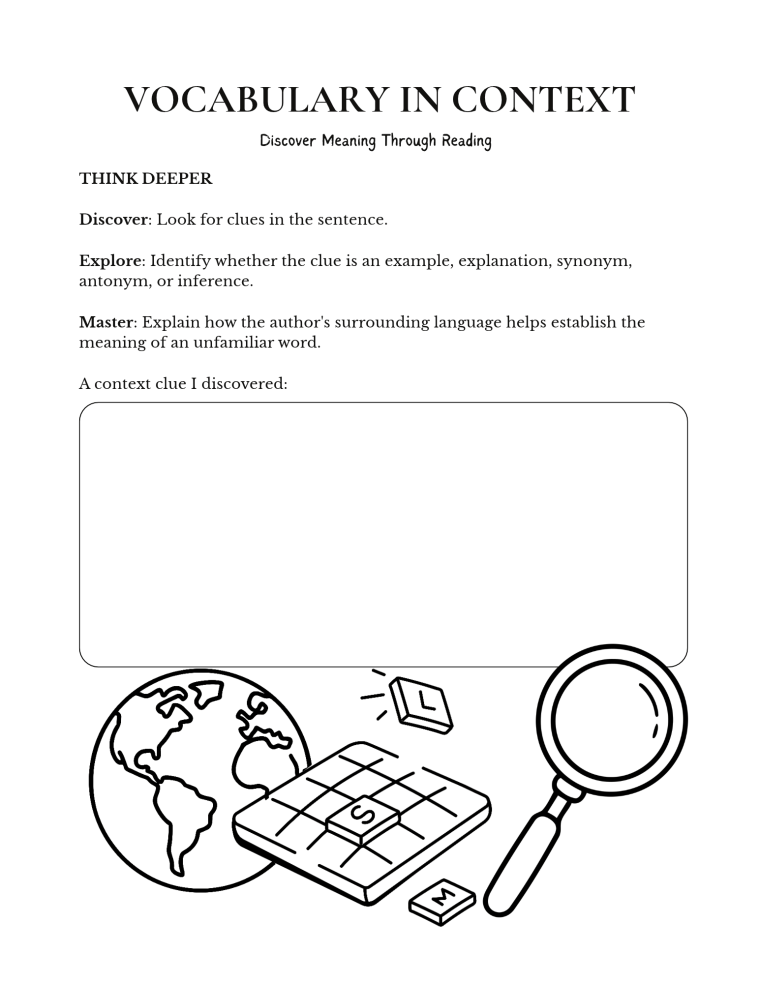
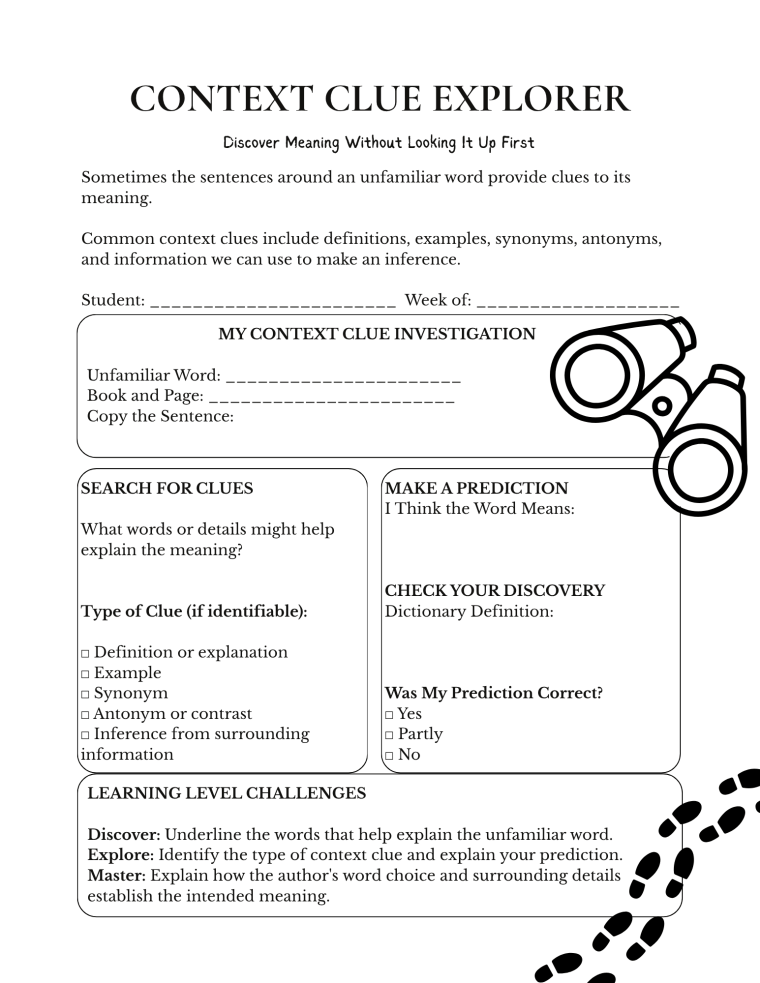
Students explore dictionary entries, pronunciation, multiple meanings, context clues, prefixes, suffixes, root words, word origins, and choosing more precise vocabulary.
4. Word Relationships
Discover synonyms, antonyms, homophones, homographs, compound words, contractions, word families, and figurative language.
5. Grammar Detective
Students become grammar detectives, searching their reading selections for examples of different parts of speech, sentence structures, verb tenses, punctuation, and more.
6. Writing & Composition
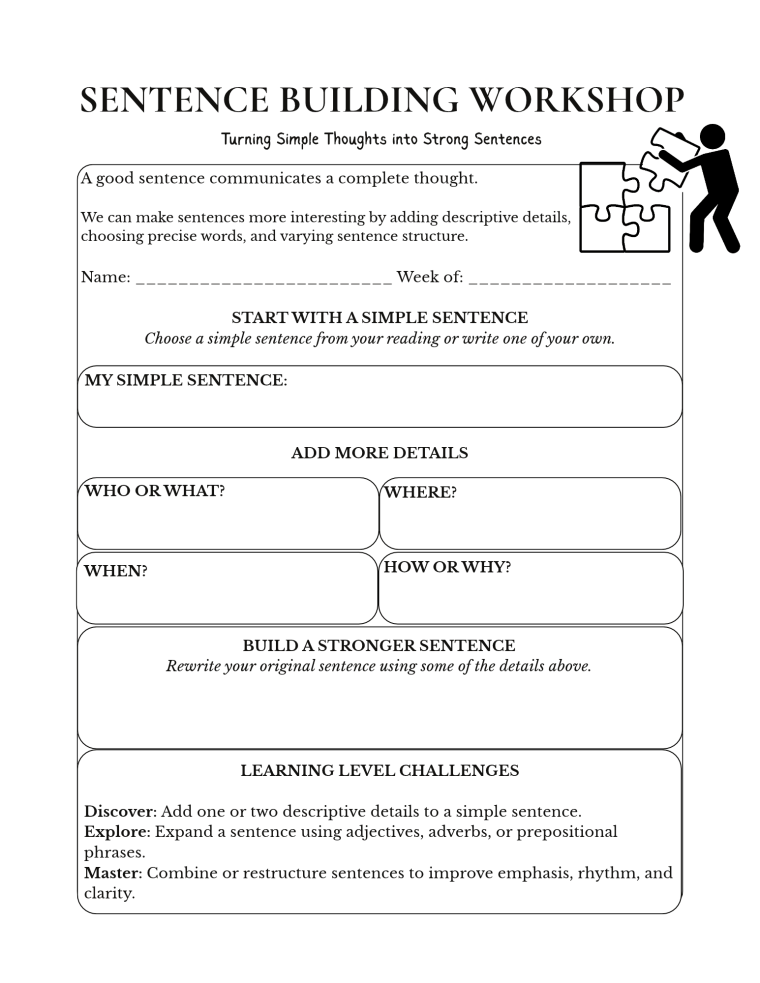
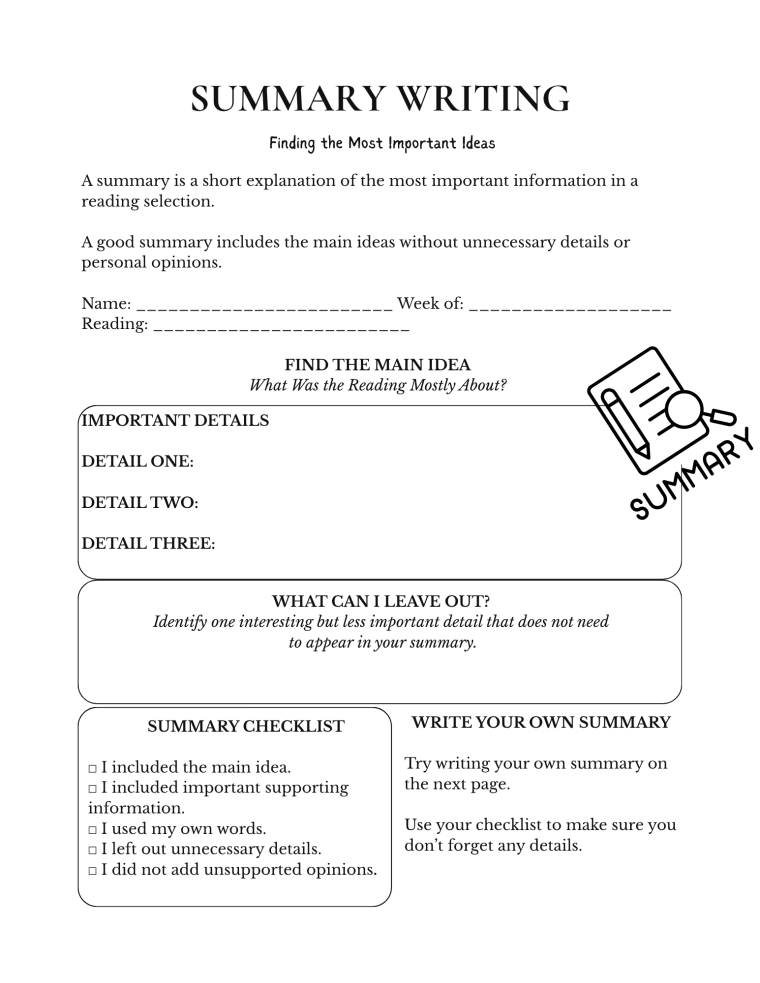
Build writing confidence through copywork, dictation, sentence building, paragraph writing, narration, summaries, descriptive writing, creative writing, persuasive writing, essay planning, literary responses, and editing.
7. Review, Progress & Keepsakes
Celebrate progress with reading logs, vocabulary collections, skills trackers, writing portfolios, reflections, and a completion certificate.
One Notebook for Different Ages and Abilities
One of my biggest goals was to make this notebook useful for families teaching children at different learning levels.
That’s why many of the activities include three levels of difficulty.
Discover — Beginning Learners
Younger students can focus on identifying words, copying sentences, practicing basic grammar, and developing confidence with written language.
Explore — Growing Learners
Students who are ready for more independence can work on definitions, sentence construction, paragraphs, grammar application, and written narrations.
Master — Advanced Learners
Older or more experienced students can explore word origins, literary analysis, advanced grammar, essay writing, and thoughtful composition.
These aren’t rigid grade levels.
A child might be working at the Explore level in vocabulary while still needing Discover-level practice in writing.
And that’s perfectly fine!
The goal is to meet children where they are and help them continue making progress.
How We Can Use It in Our Homeschool
One of the easiest ways to incorporate this notebook is to follow a simple five-day routine.
Monday — Discover & Copy
Choose spelling and vocabulary words from the week’s reading. Write each spelling word five times and complete an optional word-study activity.
Tuesday — Alphabetize & Explore
Alphabetize the spelling words and practice dictionary skills or identifying parts of speech.
Wednesday — Define & Understand
Look up word meanings and complete a Grammar Detective activity using the current reading selection.
Thursday — Write & Apply
Use spelling words in original sentences and complete copywork, dictation, or another writing activity.
Friday — Test & Review
Take a spelling test, correct any missed words, and review what was learned during the week.
Of course, you don’t have to complete every activity every week.
Some weeks may call for more writing. Other weeks might focus on spelling, vocabulary, or grammar.
The beauty of this approach is its flexibility.
A Simple Example of Literature-Based Language Arts
Let’s say your child is reading a chapter about a famous explorer.
Instead of pulling out several unrelated workbooks, you could use that chapter for multiple activities.
Your younger student might choose five spelling words, copy a sentence, and identify a few nouns.
An intermediate student could select ten vocabulary words, look up their meanings, identify verbs and adjectives, and write a paragraph summarizing the chapter.
An older student could investigate unfamiliar terminology, analyze sentence structure, and write a short essay about the explorer’s accomplishments or decisions.
Everyone is learning from the same general subject, but the assignments are adapted to individual abilities.
And you haven’t had to prepare three completely different sets of lessons!
Why I Love This Approach
I’ve always appreciated the idea of making our homeschool feel a little more connected to everyday life.
Learning doesn’t have to happen in neat little boxes.
Reading can lead to writing. History can lead to vocabulary. Science can inspire narration. Scripture can provide meaningful copywork passages.
And those lessons often stick with us longer because they’re connected to something we’re genuinely interested in.
I also love that a resource like this doesn’t require us to abandon books or materials we already enjoy.
It simply gives us another way to use them.
For busy homeschool families, that kind of flexibility can make a big difference.
A Few Tips for Getting Started
If you’re thinking about using The Language Arts Companion, here are a few simple suggestions.
Start small. Choose one reading selection and a handful of spelling words. You can add more activities as your child becomes comfortable.
Let children help choose their words. When students notice unfamiliar or interesting words themselves, vocabulary study can become more meaningful.
Don’t feel obligated to complete every page. The notebook is meant to be a collection of resources, not a checklist that must be finished in order.
Adjust assignments to your child’s abilities. A younger child might dictate a narration while you write it down. An older student might complete a detailed written response.
Save some of their work. It’s encouraging to look back and see how much their handwriting, vocabulary, and writing skills have improved.
Most importantly, remember that consistency matters more than perfection.
A little progress each day adds up over time.
The Language Arts Companion Is Available on Etsy!
I’m excited to share that The Language Arts Companion is available as a printable digital download in our Pollywog’s Place Etsy shop!
Whether you’re homeschooling one child or several children at different learning stages, this notebook was designed to help simplify your language arts lessons while making the most of the books you already enjoy.
What You’ll Receive
- A printable, literature-based language arts notebook in PDF format
- Seven organized learning sections
- Spelling, vocabulary, dictionary, grammar, and writing activities
- Three flexible learning levels: Discover, Explore, and Master
- Weekly lesson routines and planning pages
- Review activities, progress trackers, and keepsake pages
- Reusable worksheets you can print as needed
This is a digital product. No physical notebook will be shipped.
The notebook is intended as a supplemental homeschool resource rather than a complete, scripted language arts curriculum.
Ready to Get Started?
Shop The Language Arts Companion on Etsy!
You can print the complete notebook, organize the pages in a binder, or simply print the worksheets that fit your family’s current lessons.
And because the activities aren’t tied to a specific book, you can return to them with new reading selections throughout the year.
More Homeschool Companions Are Coming!
The Language Arts Companion is just the beginning!
I’m also planning additional literature-rich and hands-on notebooks for nature study, music appreciation (including hymns and folk songs), Bible study, and practical life skills.
My hope is to create a collection of flexible homeschool resources that families can use with the books, materials, and everyday learning opportunities they already have.
Because learning doesn’t have to be complicated to be meaningful.
Sometimes, all we need is a good book, a little curiosity, and a place to write down what we’ve discovered.
Happy homeschooling!
Pollywog’s Place
I’d Love to Hear From You!
Do you prefer separate workbooks for each language arts subject, or do you enjoy combining spelling, grammar, vocabulary, and writing with the books your children are already reading?
Share your thoughts in the comments!
Other Notebooks we have available:

