
I’ve been meaning to do this post for a while, but like always, LIFE keeps happening, and things I want to do get put on the back burner. I’ve been setting small goals as I’ve talked about in previous posts, and working on things a little at a time until they are finished.
The Lord God took the man and put him in the Garden of Eden to work it and take care of it.
-Genesis 2:15 KJV
There isn’t one perfect way to start a garden, but I do have a few tips to help you get started. That’s the most important part… just get started! Remember, you aren’t stuck unless you STOP! People have been gardening since the beginning of time… it really doesn’t need to be super complicated, unless you make it that way.
I do plan to make a more detailed guide that includes permaculture principles, but this is a super beginner friendly guide to get you started.
If you want to start a garden, here are some easy steps to get you going:
Getting Started.
For who hath despised the day of small things?…
Zechariah 4:10 KJV
You don’t need a large garden to begin with. It is better to start with a small garden and learn to manage that well before moving on to a larger area.
Some ideas of how to garden in a small area:
- Use containers like pots or totes
- Use your vertical space with trellises or even fences
- Use hanging baskets for things like strawberries and tomatoes.
- Research your garden zone for ideas about what plants will grow best.
- Now is the time to observe your property: observe how the sun moves across your property, observe where the water flows and puddles, and also take note of wind and shade. This will help you plan your garden better.
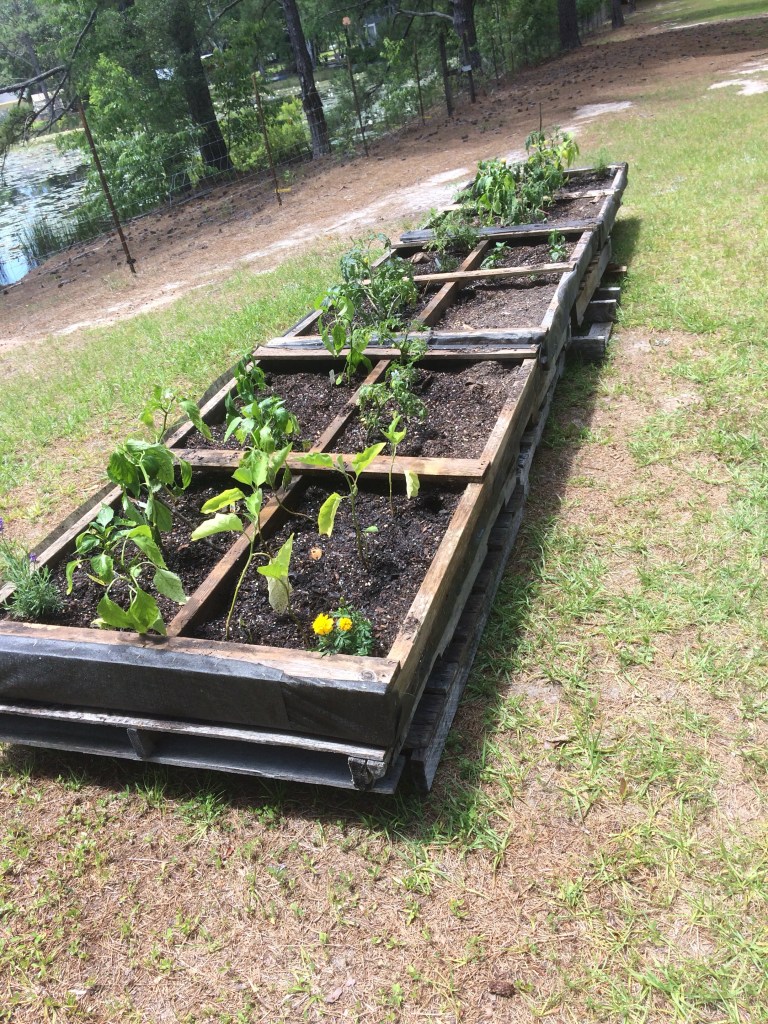
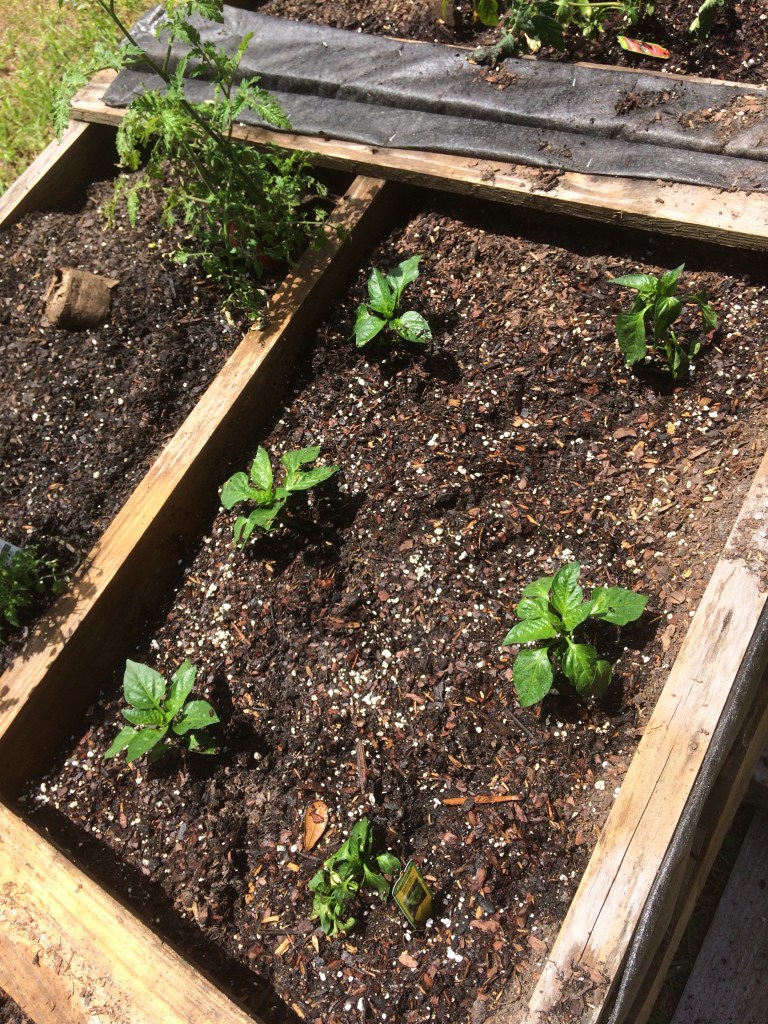
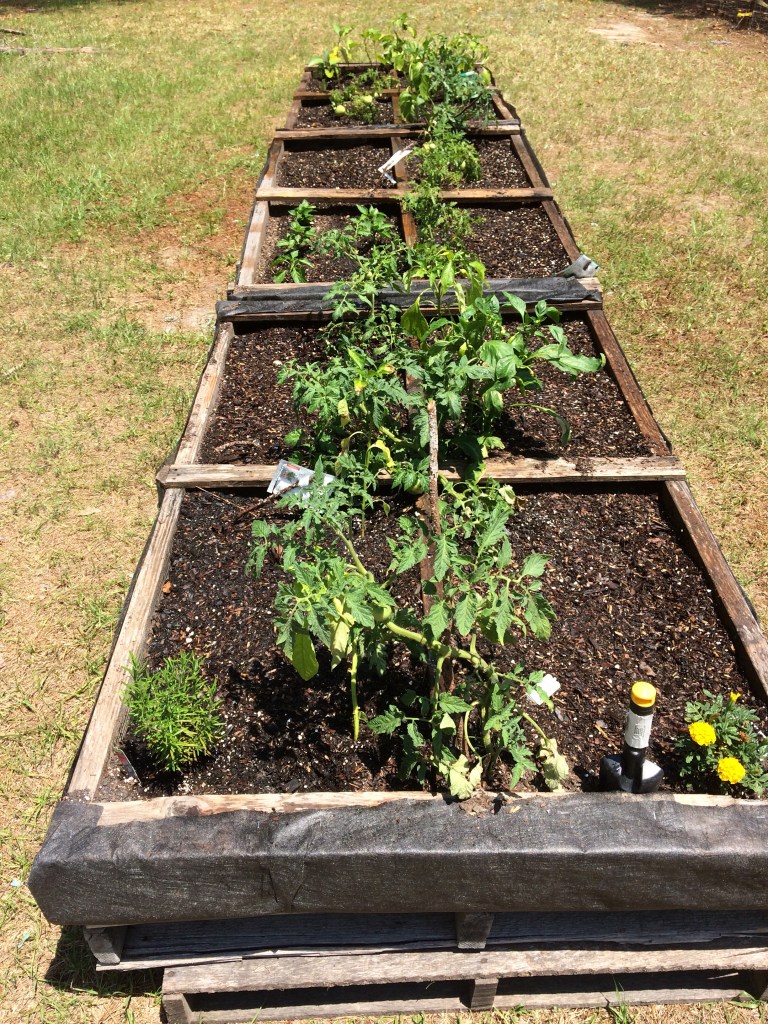
I have gardened in many places and in a variety of different ways. I’ve had small gardens and large gardens, in-ground gardens and raised beds, and even a tote garden.
**This post does contain some affiliate and/or referral links to products and/or services that we use. If you happen to click through a link and make a purchase, we may earn a teensy-weensy small commission (at NO EXTRA cost to you) if a purchase is made through these links. These links help to support our family, our blog, and our homeschooling mission. This means that we can keep bringing you great recipes, ideas, and tips for FREE! Click HERE for a full disclaimer. –Thank you!
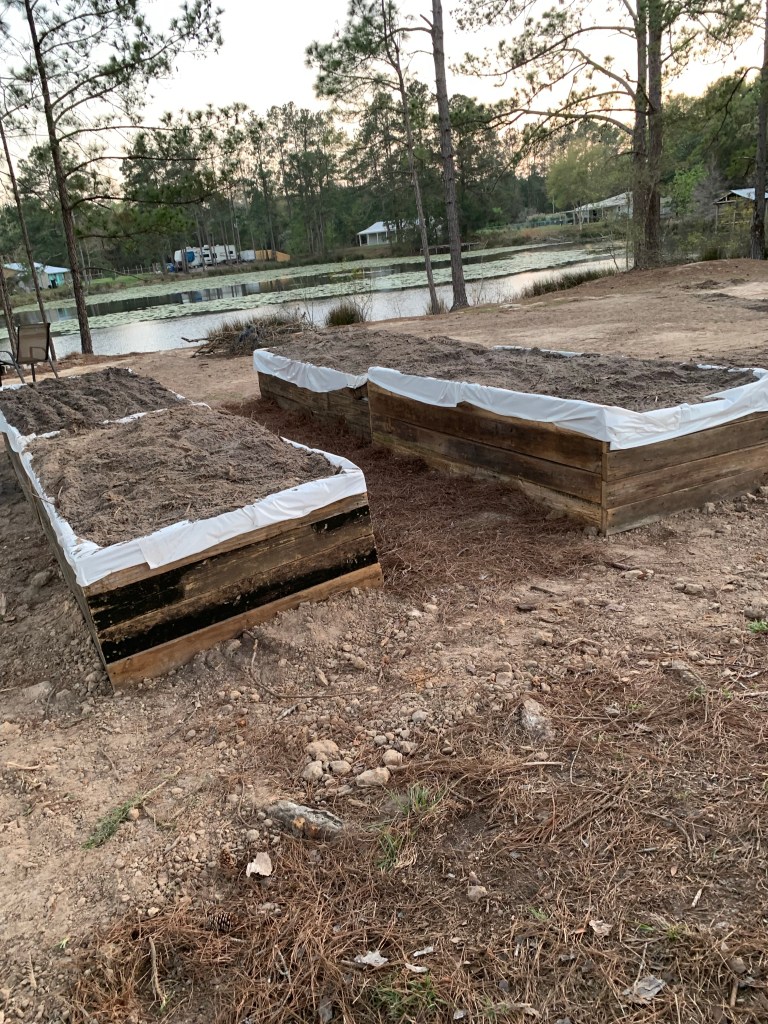
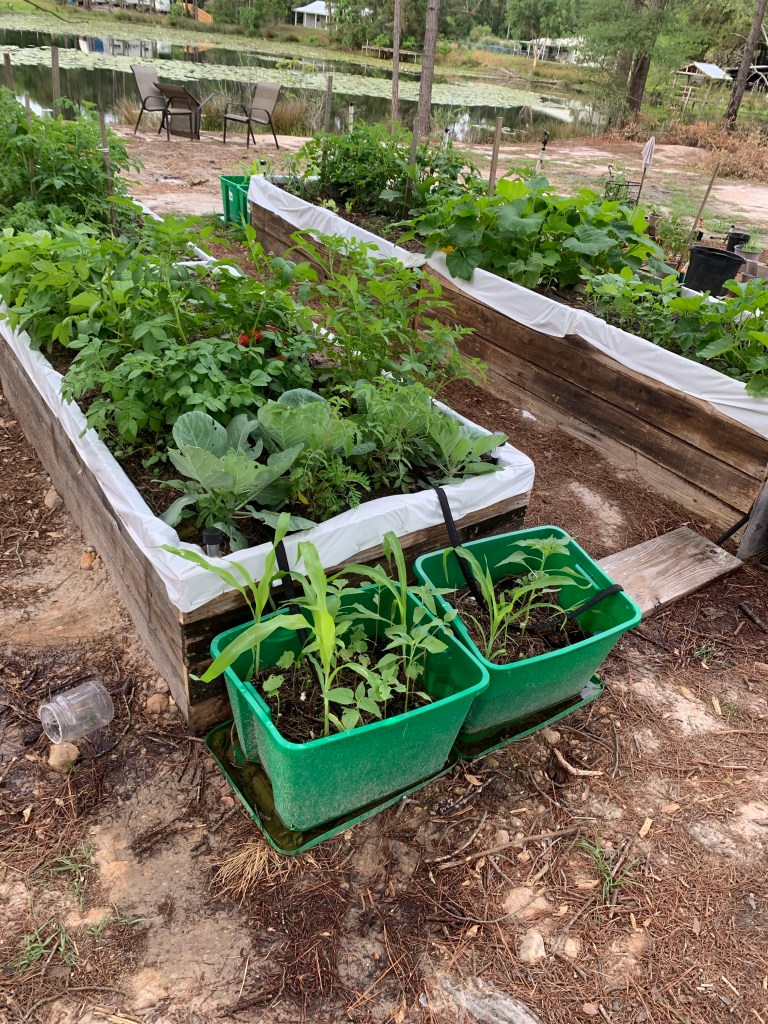
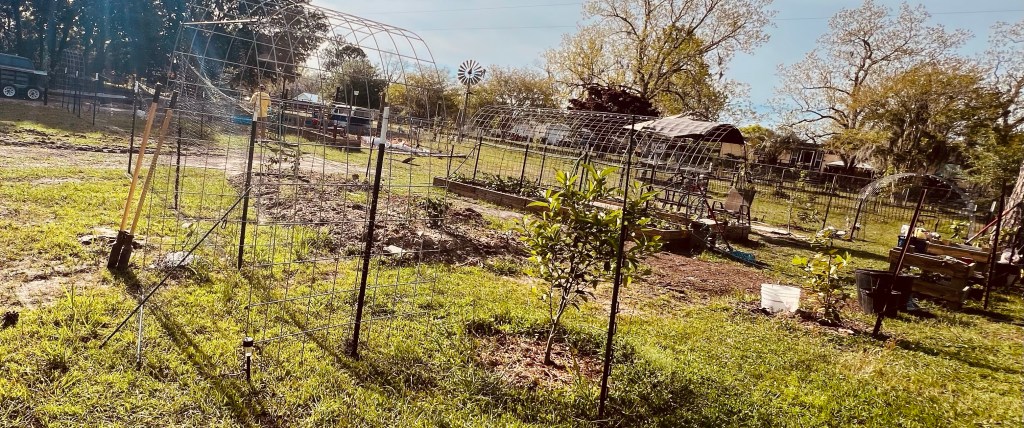
We recently finished a complete makeover of our bigger garden area, and you can watch that HERE:
You just need to work with the space you have and use what you have available to you, whether that is buckets, totes, a small patch of ground, or some raised beds. You also need to be sure to research your growing zone to learn what plants will grow best in your area.
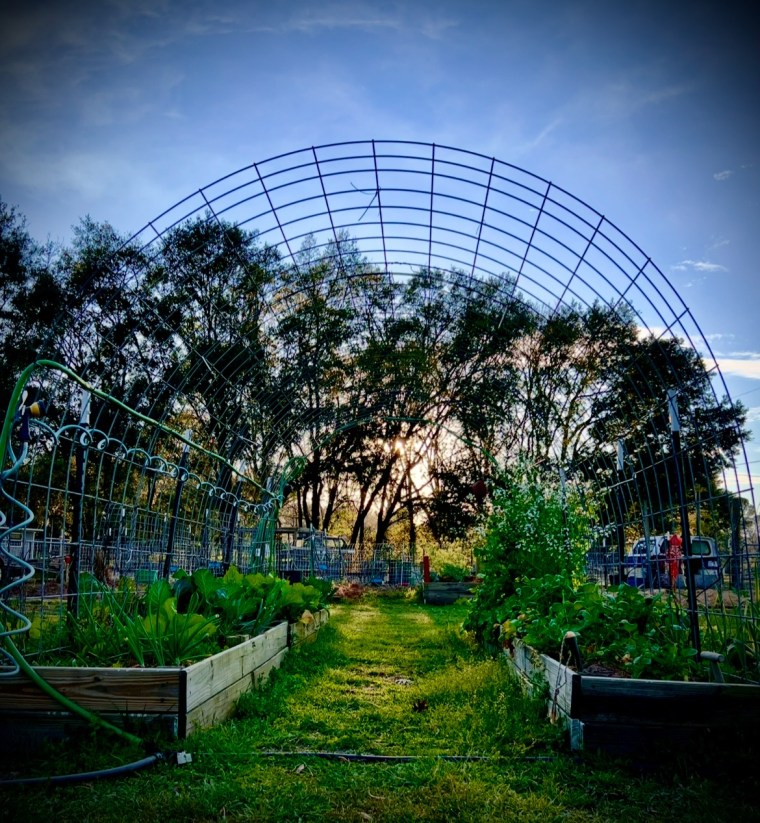
Choose a Good Location
Truly the light is sweet, and a pleasant thing it is for the eyes to behold the sun.
Ecclesiastes 11:7 KJV
A location near your home is best, or you may find that ‘Out of Sight, Out of Mind’comes into play.
Some things to consider before setting the location of your garden:
- Amount of sunlight, 6-8 hours of sunlight is best.
- Proximity to water
- Convenient to get to on a regular basis
- Make sure the area doesn’t get too much shade from large objects.
- Well-draining soil, not as much of a problem if you grow in beds or containers
Now that you’ve researched a little more, you can decide where your garden will go. If you are living in an apartment or small home, then you might only have a windowsill or balcony. You can grow a lot of plants in containers, no matter where you live!
You just want to make sure that the location is a place you can easily access so that you can check on your garden. It would be best to have water at the location, or be prepared to set up a water catchment system, so you don’t have to carry water back and forth. We currently have a conglomeration of hoses run to various locations, but we plan to install water lines later this year.
The area needs to get a good bit of sunlight, but not too much shade. You also want to make sure that you have some well-draining soil. If you have wet areas, you may want to consider using containers or raised beds.
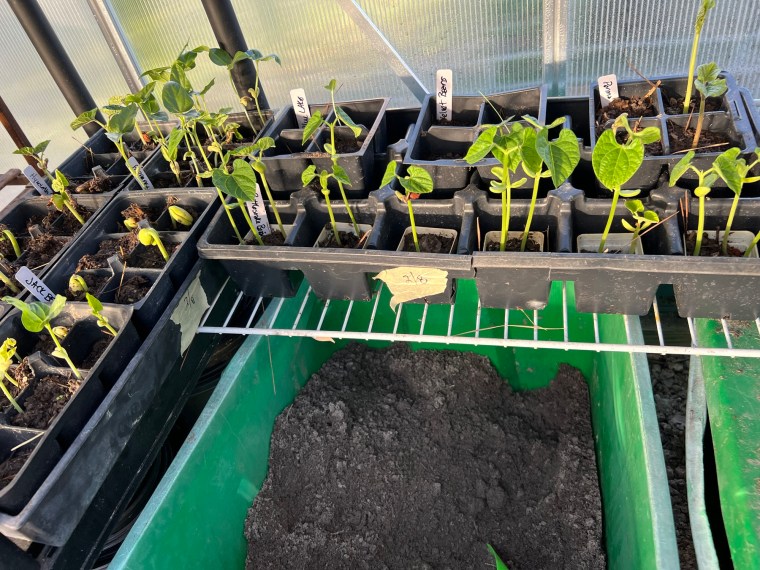
Choose Easy Plants
He causeth the grass to grow for the cattle, and herb for the service of man: that he may bring forth food out of the earth;
Psalm 104:14
Start with plants that grow quickly and forgive little mistakes.
Some things to consider when deciding what to grow in your garden:
- What do you and your family enjoy eating?
- Learn about your growing zone
- Do you want seeds, starts, or a mixture of both.
- Be sure to read the plant labels and seed packets for important information.
- Research companion plants to add to your garden.
Now that you have the location set, you need to decide what you will be growing and how. It is so tempting for me to grab ALL the neat and unusual seeds and plants that I find, but I have to remember that we do have a limited space for growing.
Also, I need to ask myself if the plant will be eaten by me, my family, friends, or our animals. It is a waste of time, energy, and valuable space if the plant serves no purpose. Some plants are purely ornamental, and that is OK because we do get enjoyment from seeing them, and most of the time they also benefit the garden in some way.
Once you have decided what you want to grow, you will need to decide how you plan to grow it. Do you want to start everything from seed? If so, then you will need a space with a lot of sunlight to get things started. You also want to read the instructions on your seed labels to decide if the seeds need to be ‘started’ or ‘direct sown’. There are some plants that do not like to be transplanted, so be sure to watch for that.
Buying starts is a great way to get started, especially if you are new to gardening, but they can get expensive. Read the plant labels carefully, so what light requirements the plants need, and try to place them accordingly in your garden. Full sun plants will need 6-8 hours of sunlight. Plants that need partial shade can sometimes be planted under taller plants, or you may need to invest in some shade cloth.
We grow a lot of annual crops, which means that they generally only last one season. We also have a LOT of perennial plants, which are a bit more expensive, but they should last for many seasons. Perennials often take a bit longer to get established, so we make sure to have plenty of annuals until they provide a better supply.
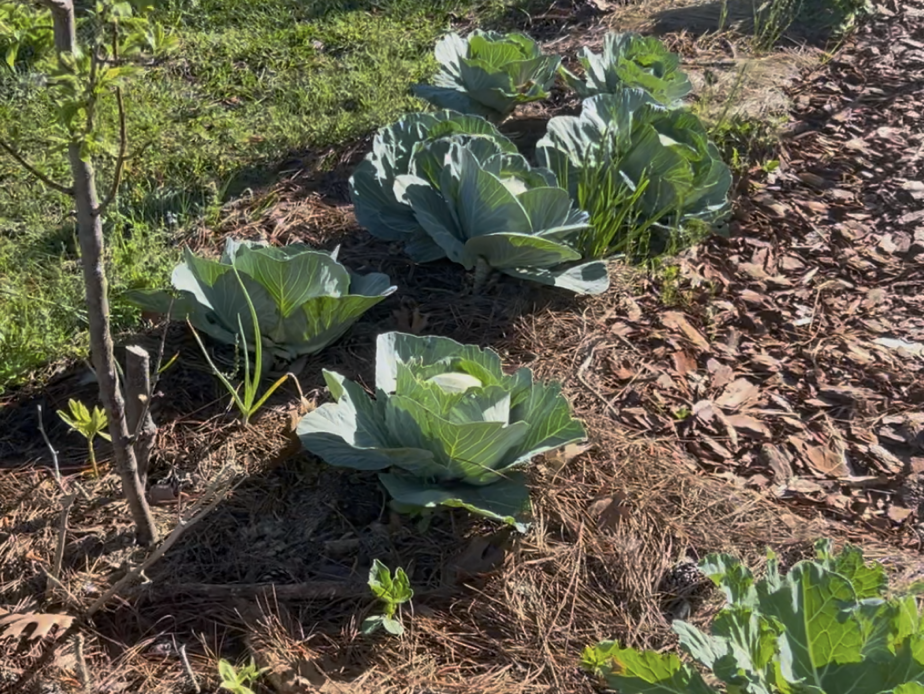
Soil & Planting
A good man leaveth an inheritance to his children’s children: and the wealth of the sinner is laid up for the just.
Proverbs 13:22 KJV
Healthy soil helps plants develop strong roots.
Some things to consider when looking at the soil for your garden:
- Add organic matter and compost to help your soil.
- Research companion plants for your garden.
- Plant closely to minimize weeds.
- Consider using mulch or cover crops to keep your soil covered.
- Replace old plants with new ones as quickly as possible.
We have chickens, ducks, geese, and worms, which provide us with ample compost for our needs. If you don’t have these available, then you can buy compost or ask local groups for sources. You can also look at getting your own compost system set up, so you have a steady supply on hand. We had our worm bin in the house under the pool table for a couple of years, and no one knew unless we told them!
We plant things a lot closer than usually suggested, as this helps to deter weeds. When one plant comes out, we try to plop another in its place, add a little compost, and let it settle in. This keeps our beds full and allows us to stretch out the harvest as long as possible.
We also don’t like to leave our soil uncovered, as a bit of mulch can go a long way to help prevent weed growth, and it looks pretty! You can also research living mulches or cover crops that can help with weed prevention and improve the soil. We like to use companion plants in our gardens to deter pests and bring in pollinators. Plus, they add a little variety to the garden, and when you add things like edible flowers, you get beauty and flavor!
Watering & Care
Thou visitest the earth, and waterest it: thou greatly enrichest it with the river of God, which is full of water: thou preparest them corn, when thou hast so provided for it.
Psalm 65:9 KJV
Water gently and consistently, especially in the morning.
Some things to consider when watering your garden:
- Water deeply to establish strong root systems.
- Always check the moisture before watering.
- Watering early in the morning is best.
- Try to water at the base of the plants.
- Use mulch to help retain moisture.
- Hand watering is ok, but a watering system can make things a little easier
It’s best to water deeply 1-2 times a week than to water a little every day. Deep watering encourages the roots to grow deeper to search for water, and this results in stronger, healthier plants. You should always check the moisture of the soil before you water.
We like to use rainwater whenever possible, or we will use our well water. If you must water with chlorinated water, then it would be best to fill a container or two and let it sit for a day or so before using it. It is best to water early in the morning, but if you are careful to water at the base of the plants, then a midday or late evening watering can suffice. You just don’t want a lot of moisture on the leaves or in puddles, as this can lead to diseases.
Mulching can help to retain the moisture, but you want to make sure that you water well before putting down the initial mulch, and then be sure to check the soil under the mulch after you water to confirm that you have watered enough.
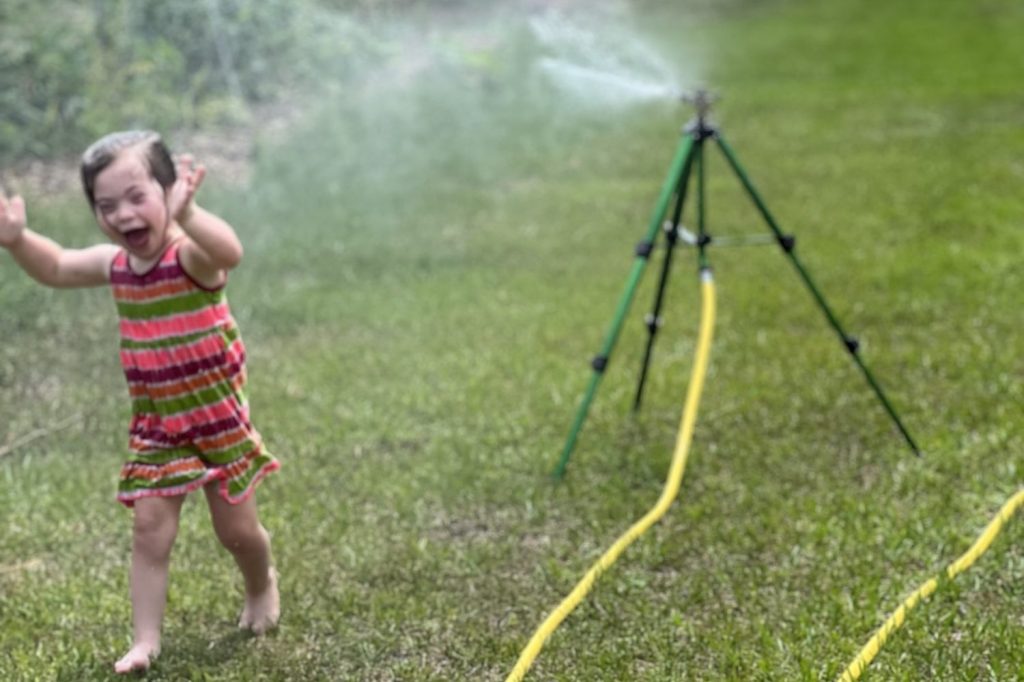
A good old-fashioned water hose works just fine, but if you have a large area or limited time, then you might want to set up a watering system. Drip irrigation is nice and slow and can help you water more evenly, but it can be an expense to set up. We did have it in our first raised beds, but when it quit working, I never invested in a new system. I have invested in several taller, inexpensive sprinklers that have worked well… several of them busted last month during the cold weather. Every year, I try to invest in something that makes the gardening chores a little easier. Last year, I bought two tripod sprinklers, and they have been AMAZING! They are also a lot of fun to play in!
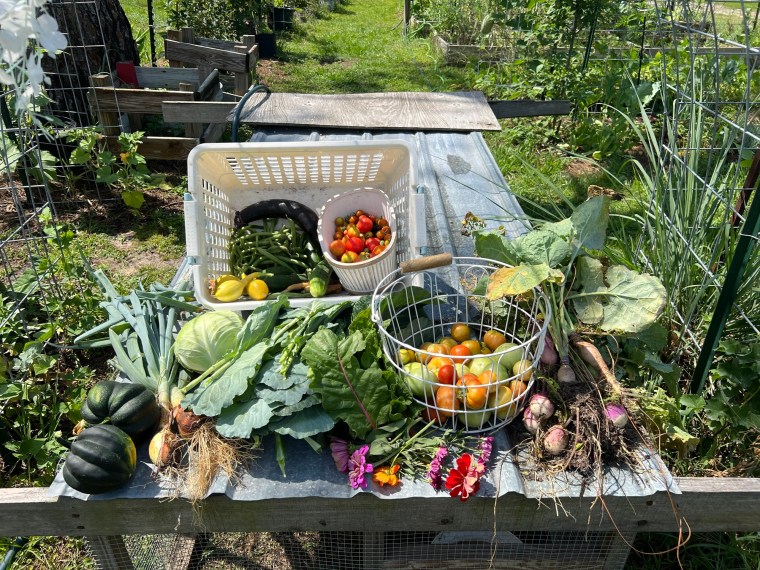
Weekly Garden Rhythm
For the earth bringeth forth fruit of herself; first the blade, then the ear, after that the full corn in the ear.
Mark 4:28 KJV
Trust the process: Growth happens in stages, often unseen.
Some things to remember when setting up your garden routine:
- Set a time that works for you.
- Use this time to water, weed, and harvest a little at a time.
- Check for pests and diseases.
- Practice patience… things are happening below the surface.
- Place seating so you can enjoy the garden.
- Plant flowers to increase diversity.
I usually try to go out to the garden in the morning. I also try to make a note of any issues that I see so I can address them later in the day, and I will try to pull weeds from a small area every day.
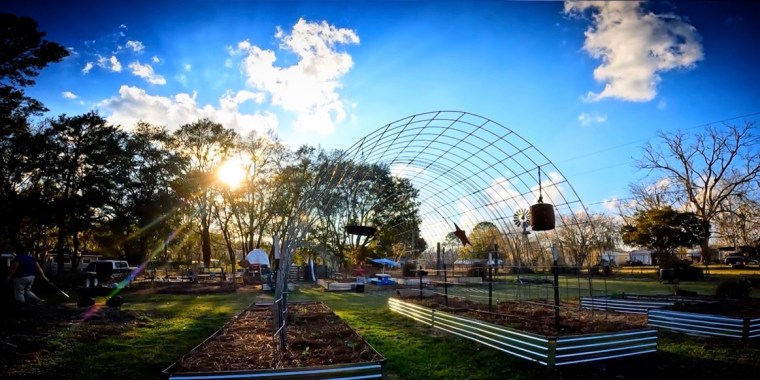
When the weather is nice, I will use this time to do a little walking while I alternate sprinklers, and listen to my Bible app or a podcast while taking care of the garden. It is a peaceful way to start the day with the birds serenading. We have a couple of benches, but we plan to make more, and a few ‘sitting logs’ so we can relax in the peace of the garden.
Garden Reflections
Commit thy works unto the Lord, and thy thoughts shall be established. – Proverbs 16:3 KJV
Look back on what you have accomplished and what you have learned through the season.
Some things to ask yourself about your experience:
- What did I like?
- What did I not like?
- What did I learn?
- What would I like to learn?
- What would I like to change?
- Thank GOD for the lessons you have learned during this season.
Every year, I try to look back on what we have done and make plans for the next year. There are almost always things we want to change and things that we want to keep, but by reflecting on them, we can make plans for an even better year to come.
Most importantly, we THANK GOD for all of HIS blessings on us over the past year and for the blessings HE will send in the next year.
I hope this post has given you some tips to help encourage you to start your garden. We are not experts, but we like to share what we have learned so that you can avoid some of our mistakes. Be sure to check out our YouTube channel, same name as our blog, so you can see our garden progress through the year. It may provide some encouragement and inspiration, even if you aren’t looking to start your own garden.
God Bless!
Here is a simple guide and checklist that I made up to help you in your journey:
 Pollywog's Place Blog