Protected: PROTECTED: Little House On The Prairie Answer Key Links**Although I try to provide as many FREE resources as possible this post may contain affiliate links alt no extra cost to you. We may earn a small commission, if a purchase is made through these links, which helps to support our blog and our family. Thank you!
Mornings:
We Start every morning off with our prayers and the Pledge of Allegiance. Below is a picture of the prayers that we say and a video of the Pledge of Allegiance.
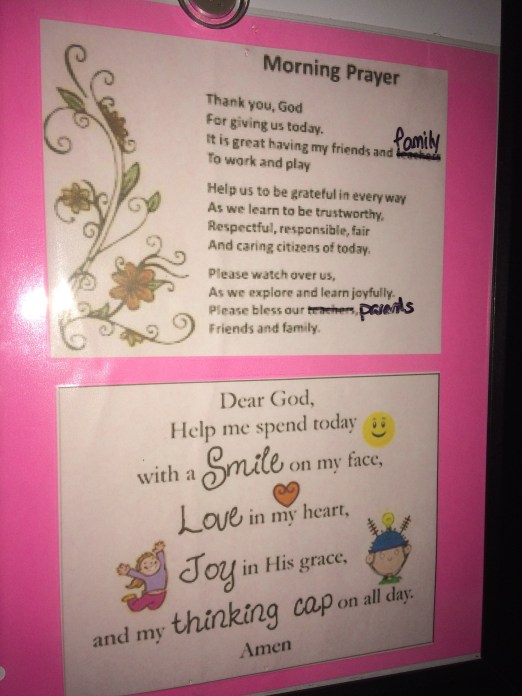
Not the prettiest example but that’s what we’ve been using for the past few years.
Don’t have a flag? Grab one HEREand print it out to put up somewhere… you could even let the kids make a flag to proudly display. Amazon also has some little ones like this one HERE and HERE.
After this we have our calendar time also where we go over such things as the Days of the Week, the months, and some basic math.
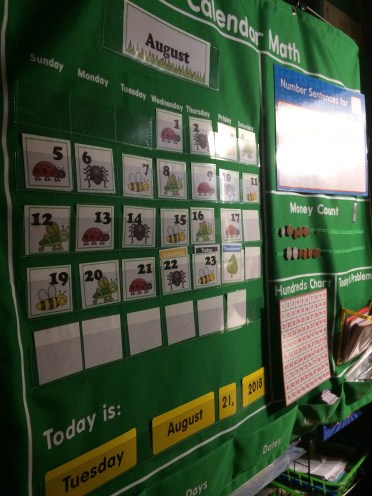
This one came from Lakeshore Learning.
We also like to use this song during our ‘Morning Time’ to help the kids learn the 50 States.
Tip: If you want to go to a certain week/chapter or topic simply push the ‘ctrl’ and the ‘F’ button down together and a small bar will pop up. Type in the week number or chapter number you want and it will take you to it.
Week 1: Chapters 1, 2 & 3 (Going West, Crossing the Creek and Camp on the High Prairie
Here is our lesson plan for the week:
Language Arts
We plan to use this FREE Lapbook to go along with our study.
Reading:
Read Chapters 1, 2 & 3
- You can read it or let the kids help to read it aloud.
- You can also access an audio version:
Discussion Questions:
Chapter One:
- What was happening at the beginning of the chapter?
- Why did Pa say they needed to leave? Where were they going?
- What season was it? How do you know?
- What states did they travel through?
- What did Pa trade the horses for? What did they name them?
Chapter Two:
- How did Mary feel about crossing the water?
- Did Laura feel the same way?
- Why do you think Ma covered the girls with a blanket?
- What sad thing happened while crossing?
Chapter Three:
- What was the spider? Why was it called that? Click HERE for pictures.
- What did the girls have to share?
- What sound did Laura not like to hear?
- What surprise did they get?
- What did Laura wish Pa would give her?
Additional Reading:
Each child would complete a reading lesson from our McGuffey Primer Books or other reading materials that we chose for the day.
Younger kids will also be doing one lesson a day from Teach Your Child to Read in 100 Easy Lessons.
Vocabulary/Spelling:
Older Kids:
- Little House On The Prairie Adventure Week 1
- Use five of these words in a sentence.
Parents click HERE for the answer key.**see instructions at the top of the page.
Younger Kids:
- Spelling You See Level A pages 4-8
Handwriting:
Using Spencerian Penmanship go over the instructions on p. 1-4
Writing:**
We will be making a journal to record some of our pioneer adventures in. The link to the journal will be HERE.
Choose one prompt below:
- Make up a campfire song.
- Write about your favorite camping adventure and be sure to describe what you see, hear, smell, and feel. Draw a picture to go with your story.
- Review some skills with this worksheet HERE.
**Remember to use the thesaurus to come up with different words.
Other Activities:**
Group:
- Read: The Gingerbread Man
- Watch Signing Times: My First Signs
- Activity: Building Vocabulary Multiple Meanings Listening Pack
- Work on your Moby Max account
Older kids:
- Start reading a book about Indians.
- Play Bookworm Wordy Wonder Bundle.
- Bonus Points: Read to a younger sibling
- Free Choice Spelling/Vocabulary Game
Younger kids:
- Work on a letter game.
- Watch the Rock N Learn Letter Sounds DVD.
- ABC Mouse
- Listening Center (Choose one book to read/listen to together)
- Cut N Paste worksheets
Math
You can work on a lesson in your Ray’s Arithmetic Books or other math workbook. (The lessons below reflect what we worked on.)
You may find it easier to buy a Math Workbook to work through as you go along with the study.
Group:
Rotate through these activities:
Older Kids:
- Study fractions
- Work on halves, thirds, and fourths.
- LHOP Math Week 1
- Beginning Fractions & Decimals by Rock ‘N Learn
- Bubble Pop! Math Challenge Games – Gr. 3‑4
- Work on Khan Academy
Younger Kids:
- Learn Place Values
- Work on your Math-U-See Primer: Lesson 10 & 11
- Continue to practice writing numbers 0-9. Click HERE for worksheets.
- Bubble Pop! Math Challenge Games – Gr. 1‑2
Geography and History
We plan to use parts of this FREE UNIT STUDY AND LAPBOOK as we learn about the Plains Indians.
1. State Study
- Print out this map HERE or this one HERE. You can color in the states as you learn them and track Laura’s journeys.
- This week we will study Missouri.
- Complete your notebooking pages.
- Older kids can write a report about the state.
- Play GeoBingo USA Educational Geography Board Game
- Check out this link HERE to see Laura’s journey. Mark the route on your map.
2. Learn about the Great Plains and the Indian Territory
- Watch the videos below to learn more about Indian Territory and how it changed through the years.
- Compare your map to the ones shown in the beginning of the video. How are they the same? Different?
- Discuss what you have learned.
- Complete this Lapbook piece HERE.
3.Research the Mississippi River.
- Read about the History of Transportation on the Mississippi River.
- Watch these videos:
- Discuss what you learned.
They talk about taking the ferry across the river. Watch this video to see an example:
- What would be the scariest thing about crossing a river? Why?
- What would be the most fun? Why?
4. Research the Louisiana Purchase.
Everyone can watch this quick video. Older kids can do a little more research.
- Discuss what you learned.
5. Research Native American Indian Tribes. You will have a report due at the end of the book.
- Start reading a book about Native American Indians.
- Click HERE for a link about the Indians of the Great Plains.
- We will be studying about Indians throughout this book.
- Take plenty of notes!
- Discuss what you have learned and start taking notes.
- Complete this Lapbook piece HERE about the tribes.
- Explore the Native Americans Resource Box from Lakeshore Learning
We will be using the following books with our studies:
Extra:
Science
Week 1: Chapters 1, 2 & 3
1. Read about mustangs.
- Older kids can also work on a report. The report needs to include behavior, habitat, and diet.
- Discuss what you learned.
- Mustang coloring pages
2. Start learning about simple machines.
We will be using Explore Simple Machines!: With 25 Great Projects for this study.
What are Simple Machines?
- Read pages 1-3 of your book.
- Write down these words and their definitions:
- Simple Machine
- Mechanical Advantage
- Compound Machine
- What are the 6 types of simple machines? Write them down in your notebook.
Watch this video for more information:
- Discuss what you learned.
- What simple machines do we use in our homes?
What is Force?
- Read pages 4-7 of your book.
- Write down these words and their definitions:
- work
- force
- push
- pull
- equilibrium
- unbalanced
- gravity
- friction
- weight
- lubricant
- Newton
- How can you fight friction?
- Do one of the activities on pages 8-11.
Watch this video for more information:
- Discuss what you have learned.
- Print out this Simple Machines Game to play.
3. What are Stars?
- In this book Laura mentions watching the sky a lot and describes the stars.
- Discuss what you learned.
Extra:
- National Geographic Kids What Animal Am I Card Game
- Lakeshore Fascinating Facts Human Body Game
- Mystery Science
Life Skills
1. Following Ma’s Example
Talk about the importance of routines. We will be talking a lot about routines during this unit. Routines are simply a tool that help us to be more successful in our everyday lives. They are a set of steps that we follow on a regular basis to achieve our goals. Routines help everyone to know what is expected of them and when. This can help wi th frustrations that we face in our daily lives.
Ma kept to her routines even though things were very different. One big difference was the way she had to cook meals. This is a good skill to learn whether you like to camp or in the event of an emergency. Answer the questions below:
- What things mentioned were part of their normal routine?
- Why do you think Ma kept to these routines?
Watch this video on why routines are so important to kids:
- Discuss what you have learned.
- What routines help you the most?
- What areas do you think you need better routines for?
We like to use the FlyLady app on our phone to keep track of our routines.
2. Ways to help around the house like Laura
We are going to talk about straightening up around the house.
These basic steps can be used in any room of the house.
How to straighten up a room:
- First we need to pickup the items that don’t belong in the area/room. ex: Shoes, clothes, toys, etc.
- You can use a laundry basket to pick up stray items and to carry them to where they belong.
- Pick up all the trash in the area.
- Put the trash where it belongs.
- Check for spills and other messes.
- Clean up messes as you find them.
- Pick up piles and stacks of papers or books.
- Put everything where it belongs.
- Carry dirty dishes to the kitchen
- Put them in the sink or other designated place.
- Straighten DVDs and bookshelves.
- Everything should be facing out so it can be read easily.
- Fold blankets and put them where they belong.
- Straighten and fluff pillows.
- Straighten anything else that is out of place.
- Wipe down anything that needs cleaned.
- Ask what cleaner should be used.
- Sweep or vacuum the floor.
- Check the room over before leaving.
Do you know where everything goes? If not, be sure to ask a parent or older sibling to show you where to put everyting.
Watch this quick video and discuss what you learned:
3. Character
We will be focusing on OBEDIENCE this unit. If you don’t have the book we used you can go HERE and download a lesson plan guide to use in your home.
Children, obey your parents in everything, for this pleases the Lord. – Colossians 3:20
We will be studying obedience during this unit. What is obedience?
- Obedience means to willfully, promptly, and cheerfully do whatever a person of authority (ex: parents, teachers, or God) asks you to do.
Being obedient. This may not seem like a big deal but there could have been some serious consequences had Laura and Mary not obeyed Ma when crossing the river.
- Why do you think it was so important for Laura and Mary to be obedient?
- Should you be obedient? Why or why not? Read Ephesians 6:1-4.
- What are some ways you can practice obedience?
- Do you have a set of rules for your family?
- If they aren’t printed then maybe you can ask your mom or dad to help you write them out.
- Click HERE for an example of Family Rules.
- Do have trouble being obedient? Did you know that you can ask God for help?
- Click HERE for a really cute coloring page. Or click HERE for some more pages.
4. Manners
– Read through the first three pages of Emily’s Everyday Manners and discuss the manners shown in the pictures:
- Helping people to show that they love them.
- Doing kind things for others.
- Apologizing
- Remember that good manners take practice so don’t stop trying!
5. Memory Verse
We will be memorizing Psalm 8 during this unit study. Print it HERE.
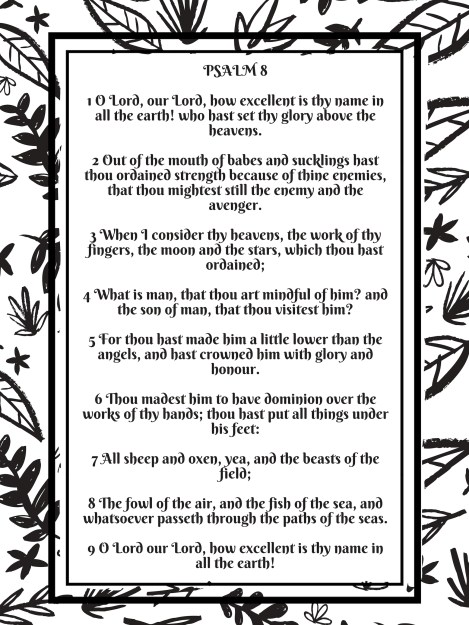
- Work on memorizing a verse during the week for a special prize.
- Verse 1: O Lord, our Lord, how excellent is thy name in all the earth! who hast set thy glory above the heavens.
- Older kids can copy the memory verse down in their notebook.
6. Fun Activities
- Plan a campfire meal or maybe a Weenie Roast.
- Don’t forget the S’mores!
- Try out a twig toothbrush from p. 18 of A Kid’s Herb Book: For Children of All Ages.
- Research for some fun and easy campfire recipes to try!
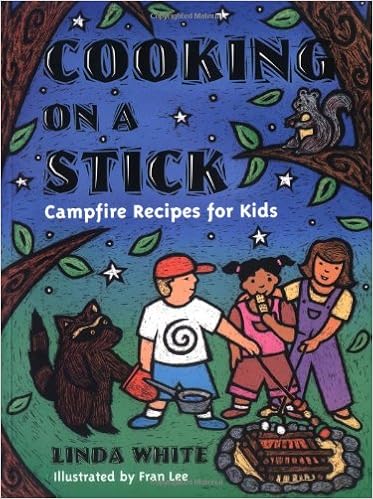
Cooking On A Stick: Campfire Recipes for Kids
7. Bonus Skills — Choose one or two to work on
Practice these until you finish this unit study and then we will move on to another new skill.
Kids Cook Real Food
- Work on: Class 3 – Cross Hatch, Cracking Eggs, Garlic/Sauteeing (Beginner)
- Help to prepare a meal using your new skills.
Skill Trek:
- Work on at least one task a week.
- Practice your new skill this week.
Memorize the books of the Bible:
Learn about camping.

Camp Out!: The Ultimate Kids’ Guide
And Jacob… lighted upon a certain place, … and he took the stones of that place, and put them for his pillows, and lay down in that place to sleep. – Genesis 28:10-11
- Read a book about camping. Record the Title and Author on your Reading Log.
- Don’t have a Reading Log? You can print one HERE.
- You may also want to get a notebook to keep track of all the interesting things you will be learning.
- Camping can be a very fun experience, if you are prepared.
Learn about Herbs.
And God said, “Behold, I have given you every plant yielding seed that is on the face of all the earth, and every tree with seed in its fruit. You shall have them for food. – Genesis 1:29
- You will need a good book about herbs. Record the Title and Author on your Reading Log.
- Don’t have a Reading Log? You can print one HERE.
- You may also want to get a notebook to keep track of all the interesting things you will be learning.
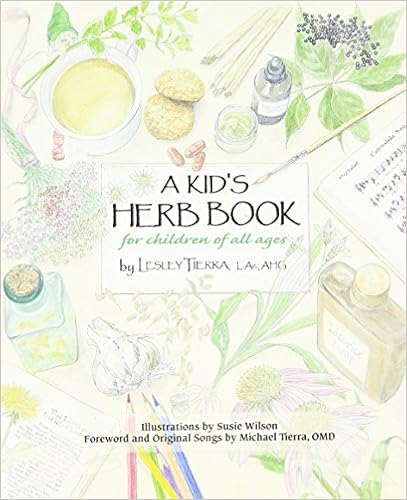
A Kid’s Herb Book: For Children of All Ages
- We will be studying out herbs. A person who seriously studies plants and/or herbs for healing is called a herbalist.
- Plants are our friends. We need them to survive! Watch this quick video about what plants provide for us:
- Discuss what you learned.
- Jot down notes in your notebook.
- Check out this link HERE for an Herbal Encyclopedia.
- Does it surprise you that there are so many herbs?
- Bonus points if you find a herbalist in your community.
PE, Health & Safety
Week 1: Chapters 1, 2 & 3
1. Water Safety
- Crossing the creek proved to be very dangerous and scary for the Ingalls family. Watch these videos for some safety tips.
- Discuss what you have learned.
- Name 5 ways to stay safe around water.
2. Games/Outdoor Play
Horses were very useful in many ways during the pioneer times. This game doesn’t involve horses but is a fun game to play.
- Play Horse p. 29 of The Ultimate Homeschool Physical Education Game Book by Guy Bailey
Music, Arts & Crafts
You can find more Native American crafts and activities HERE , HERE, HERE and a FREE printable coloring book HERE.
Week 1: Chapters 1, 2 & 3
Crafts:
- Try one of these campfire crafts:
2. Horse Crafts
- Make a Grass Horse p. 50 Pioneer Crafts for Kids
- Make a Stick Horse p.18 Pioneer Crafts for Kids
3. You could start making a Pioneer Life Diorama to depict the book scenes.
- Pioneer Life Diorama p. 51 Pioneer Crafts for Kids
- Background Scene p. 51 Pioneer Crafts for Kids
- Clothespin Pioneers p. 52 Pioneer Crafts for Kids
- Log Cabin p. 54 Pioneer Crafts for Kids
- Quern p. 55 Pioneer Crafts for Kids
- Salt Clay Animals p. 55 Pioneer Crafts for Kids
- Well and Sweep p. 56 Pioneer Crafts for Kids
- Worm Fence p. 56 Pioneer Crafts for Kids
Art:**
- Draw a picture of Pet and Patty on their lines.
- Wagons on a raft coloring page.
Music:
- Listen to the sounds of nature on the prairie:
2. Listen to the sounds of nature at night: