
❄️ Week 1: Chapters 1–4
Vocabulary Definitions
Shanty: A small, crudely built shack or cabin used as a temporary shelter on a homestead claim.
Gopher: A burrowing rodent native to the North American prairies, known for digging extensive tunnel networks.
Immaculate: Perfectly clean, neat, or tidy; free from any flaws, spots, or blemishes.
Sod: The surface layer of topsoil held together by the dense, tangled roots of prairie grasses.
Dynamic: Constantly changing, growing, or progressing with energy and activity.
Provisions: Necessary supplies, particularly food, water, and clothing, stockpiled for future use.
Discussion Question (Language Arts): The student’s response should highlight that Laura shows a deeper maturity by taking on heavy physical chores without complaint, viewing her labor as a direct contribution to her family’s permanent security rather than just a daily task.
Week 1: Fraction Operations
Problem: Pa plants 2/5 of an acre of corn on Monday and 1/3 of an acre on Tuesday. If he needs to plant 2 acres total, how many acres remain?
Step-by-Step Solution:
Find a common denominator for the fractions (15):
2/5 = 6/15
1/3 = 5/15
Add the two planted values together: 6/15 + 5/15 = 11/15 total acres planted.
Subtract the planted amount from the target goal of 2 acres:
2 – 11/15 = 30/15 – 11/15 = 19/15 = 1 4/15
Final Answer: 1 and 4/15 acres remain unplanted.
Science Evaluation (Prairie Sod): Full credit requires the student to explain that native grass roots form a dense, intertwined mat that acts as a structural anchor. This network prevents wind erosion and traps moisture, which made it sturdy enough for pioneers to cut into structural “sod bricks” for building.
Pioneer Records Lab (Life Skills/History): The student must identify that a standard Homestead Claim required building a home and farming the land, whereas a Tree Claim (Timber Culture Act) legally required the pioneer to plant and successfully cultivate a specific number of acres of trees over several years to earn the title.
Pioneer Records Lab Verification:
Document Profile: Charles P. Ingalls was officially granted land patent #1947 on May 1, 1884 for his claim in Kingsbury County, South Dakota.
The Timeline Gap: The 5-year gap exists because the law required homesteaders to prove they were committed to building up the land by living on it, farming it, and surviving before the government would permanently hand over the legal ownership deed.
The Tree Claim Intent: The government incentivized planting trees because the Great Plains lacked natural windbreaks. Growing timber lines helped slow down destructive prairie winds, prevented topsoil erosion, provided building material, and caught blowing snow to create water reservoirs for crops.
❄️ Week 2: Chapters 5–8
Vocabulary Definitions
Bastings: Long, loose temporary stitches used by tailors to hold fabric layers in place before the final sewing.
Speculator: A person who purchases land, goods, or stocks in hopes that the value will rise, allowing them to sell for a quick profit.
Typography: The art, style, and arrangement of setting type and printing text on a page.
Patriotic: Expressing fierce love, devotion, and support for one’s home country.
Orator: A public speaker, especially one who is highly skilled, eloquent, and persuasive.
Assembly: A group of people gathered together in one place for a shared purpose or event.
Discussion Question (Language Arts): Look for the student to point out Laura’s selflessness. She deeply dislikes the confinement of indoor sewing work but willingly endures it because her love for her sister Mary overrides her personal comfort.
Week 2: Linear Income Multipliers
Problem: Laura earns $0.25 for every shirt she sews. If she sews 14 shirts in a week, what is her income?
Step-by-Step Solution:
Set up the basic multiplication equation: {Income} = {Shirts} \times {Rate per shirt}
Multiply the values: 14 \times 0.25
Convert to an easily simplified fraction: 14 \times \1/4 = 14/4 = 3 1/2
Final Answer: Laura earns exactly $3.50 for that workweek.
The Tailor’s Stitching Lab (Life Skills): Evaluate the student’s scrap fabric based on effort and control rather than perfection. A straight stitch should follow a relatively even line, a basting stitch should be noticeably long and easy to pull out, and a hem stitch should securely hold an edge down.
Health & Safety Evaluation (Heat Stroke): The student must list key prevention protocols for summer outdoor safety: drinking water consistently (hydration), seeking shade under structural awnings or trees, wearing wide-brimmed hats, and recognizing early warning signs like dizziness, heavy sweating, or a bright red face.
Map Guide Topography Verification:
Town Design: Placing stores facing Main Street right near the tracks allowed for immediate foot traffic and let business owners move heavy freight cargo directly from train cars into store inventory shelves easily.
Territory Identity: Celebrating the 4th of July linked isolated settlers back to their national identity, fostering a sense of shared purpose and patriotism as they worked to civilize a territory they hoped would soon become an official state.
Glacial Topography: Because glaciers had carved the plains flat and free of heavy forests, pioneers didn’t have to clear thick rocks or timber grids—they simply had to clear low slough grass to create open gathering lines and tracks.
❄️ Week 3: Chapters 9–13
Vocabulary Definitions
Commotion: A state of noisy, confused, and chaotic disturbance or activity.
Rebellious: Showing a strong desire to resist authority, control, or classroom rules.
Subduing: Quieting down an unruly crowd or bringing a wild situation under stable control.
Melancholy: A quiet, lingering feeling of pensive sadness or low spirits.
Persistent: Continuing firmly or obstinately in a course of action down a specific path despite obstacles.
Authority: The legal or moral power to give orders, make decisions, and enforce obedience.
Discussion Question (Language Arts): The student should suggest that the conflict escalated because Miss Wilder relied on rigid, harsh authority demands instead of establishing mutual respect. De-escalation could have been achieved if she had addressed the older boys calmly, set clear expectations privately, or avoided playing favorites.
Week 3: Exponential Growth Calculations
Problem: Blackbirds eat 15 lbs of grain on day one. If consumption doubles every day for 4 straight days, how many total cumulative pounds are eaten?
Step-by-Step Solution:
Calculate each day’s independent consumption values sequentially:
Day 1: 15 lbs
Day 2: 15 \times 2 = 30 lbs
Day 3: 30 \times 2 = 60 lbs
Day 4: 60 \times 2 = 120 lbs
Add all daily yields together to discover the cumulative destruction footprint:
{Total} = 15 + 30 + 60 + 120 = 225
Final Answer: A total of 225 pounds of grain are destroyed.
🧮 Week 3: The Blackbird Swarm Math Grid
🔑 Teacher Grading Reference & Solution Key
Coordinate Grid Audit:
Quadrant: Point B (4,2) has two positive coordinates, placing it squarely in Quadrant I (Upper Right).
Directions: Moving from (0,0) to (2,-3) requires moving 2 units East and 3 units South.
Exponential Table Answer Values:
Day 2: 30 lbs Daily / 45 lbs Cumulative Total
Day 3: 60 lbs Daily / 105 lbs Cumulative Total
Day 4: 120 lbs Daily / 225 lbs Cumulative Total
Graph Shape: The line is a distinct exponential curve that bends sharply upward as time progresses.
Analytical Word Problem Proofs:
Financial Loss: 225 lbs \times $0.40 = $90.00 total loss. (Note: In 1881, $90 was a massive sum, equivalent to several months of town wages!)
Feed Allocation: Remaining grain: 600 – 225 = 375 lbs. Weeks of feed remaining: 375/15 = 25 full weeks of livestock feed remaining.
Science Evaluation (Avian Swarms): Full credit requires explaining that blackbirds swarm in massive, synchronized flocks for protection against predators and to efficiently scout for food. For frontier farmers, these swarms were devastating because thousands of birds could strip an entire grain field bare in a single afternoon.
Classroom Ergonomics (Health & PE): Ensure the student designs an indoor stretching routine that targets the lower back, neck, and shoulders to combat the fatigue of sitting on rigid wooden benches.
❄️ Week 4: Chapters 14–17
Vocabulary Definitions
Foraging: Rummaging or searching around widely to gather wild food, fuel, or vital supplies.
Eluded: Escaped or slipped away from a person, a capture, or a clear understanding through cleverness.
Eloquent: Vividly expressive, moving, and powerful in speech or written language.
Recitation: The act of repeating a memorized poem, text, or speech out loud in front of an audience.
Standard: A level of quality, achievement, or behavior that is considered acceptable or required.
Hospitable: Treating guests or strangers with warmth, generosity, and kindness.
Discussion Question (Language Arts): Look for an analysis of mental health. The student should note that winter isolation on the prairie caused severe “cabin fever” and depression. Community events like the Lyceum provided essential intellectual stimulation, laughter, and human connection, keeping families from feeling completely cut off from the world.
Week 4: Multi-Step Variable System Functions
Problem: Lyceum rental costs $5.00 flat, plus $0.35 per hour for heating oil. Write the function and find the cost for 4 hours.
Step-by-Step Solution:
Define the linear function equation using hours (h) as your independent variable:
{Cost} = 0.35h + 5.00
Substitute h = 4 directly into the equation: {Cost} = 0.35(4) + 5.00
Compute the hourly operational cost layer: 0.35 \times 4 = 1.40
Combine with the base rental fee: 1.40 + 5.00 = 6.40
Final Answer: Equation: {Cost} = 0.35h + 5.00; Total operational price: $6.40.
🔑 Teacher Grading Reference & Solution Key
Linear Function Verification:
Equation Structure: C = 0.35h + 5.00
4-Hour Event Cost: 0.35(4) + 5.00 = 1.40 + 5.00 = $6.40.
Ledger Ledger Audit Values:
Entry 01 Running Balance: $5.00 remaining
Entry 02 Cash Out / Balance: $1.40 Out / $3.60 remaining balance
Entry 03 Running Balance: $7.60 balance
Entry 04 Running Balance: $8.50 balance
Entry 05 Cash Out / Final Balance: $0.65 Out / $7.85 Final Balanced Value
Financial Secretary Analysis Review Proofs:
Net Position: The final balance is $7.85. Since the starting balance was $10.00, the committee spent more than it took in for this specific event block (a net loss of $2.15 relative to opening reserve balances, though total incoming gate revenue ($4.90) nearly offset the structural costs of the night ($7.05)).
Unit Price Calculation: $4.00/40 =$ $0.10 or 10 cents per adult ticket.
Social Evaluation: Pioneers paid because emotional survival was just as critical as physical survival. Sitting alone in dark, isolated cabins for months caused crushing loneliness; gathering together at the Lyceum restored hope, kept minds sharp, and strengthened community bonds needed to survive hardships.
Acoustics Evaluation (Science): The student should explain that hard, flat wooden walls reflect sound waves rather than absorbing them. In an unamplified hall, this reflection creates natural reverberation that projects a speaker’s voice further back into the room.
The Hospitality Lab (Life Skills): Grade the student on their social etiquette execution during your mock “Evening Company”—focusing on polite conversation, offering food to others first, and demonstrating active listening skills.
❄️ Week 5: Chapters 18–21
Vocabulary Definitions
Perilous: Incredibly dangerous, hazardous, or exposing a person to high risk.
Hoarded: Collected and hid away a large store of items or resources secretly.
Etiquette: The customary code of polite behavior and formal rules that dictate social interactions.
Meticulous: Acting with extreme care, precision, and immense attention to detail.
Milestone: An important event, stage, or turning point in the timeline of a person’s life or development.
Transition: The process or period of changing from one state, position, or age group to another.
Discussion Question (Language Arts): The student should observe that as a child, Laura’s gifts were simple, practical toys or treats (like a rag doll or a stick of candy). As a teenager, the gifts and expectations shift to refined items (like a autograph album or fine sewing materials) and formal parties that require strict social rules, signaling her transition into adulthood.
Week 5: Volumetric Division Multipliers
Problem: Cake requires 3.5 cups of flour. The tin holds 14 cups. How many batches can Ma bake?
Step-by-Step Solution:
Set up the basic structural division equation:
{Batches} = Total Volume Available/Volume per Batch
Divide the values: 14/3.5
Multiply by 2 to clear decimals if needed: 28/7 = 4
Final Answer: She can bake exactly 4 complete batches.
Baking Chemistry Evaluation (Science): The student must explain that chemical leaveners (like baking powder) react when mixed with liquids and exposed to heat, releasing carbon dioxide bubbles. These bubbles expand inside the batter, causing the cake to rise and creating a soft, airy texture.
The Etiquette Lab (Life Skills): Verify that the formal table setting layout is correct: plate in the center, forks on the left, knives and spoons on the right (with the knife blade facing the plate), and the water glass placed just above the knife.
🔑 Teacher Grading Reference & Solution Key
Place Setting Diagram Audit: Verify that the student’s drawing shows strict geometric alignment. Forks must sit on the left, knives and spoons on the right, with the knife blade turned inward toward the central plate. The water goblet must occupy the top-right position.
Etiquette Quiz Key:
Elbows on Table: FALSE. Victorian manners demanded an erect, upright posture; resting elbows on the table or slouching slumped was seen as a sign of lazy breeding and disrespect.
Invitation Matching: TRUE. Social decorum required correspondence to match the formal tone of the host perfectly to maintain appropriate social standards.
Analytical Essay Proof Standards: Full credit requires the student to track her maturity curve. They should note that childhood gifts focused on play, comforting stability, and simple immediate pleasures. Her teenage gifts (like the autograph album) and the birthday social signify that she is no longer a child to be protected; she is a young woman entering public society who must be evaluated on her poise, social grace, and ability to conform to adult communal standards.
❄️ Week 6: Chapters 22–25
Vocabulary Definitions
Certificate: An official document attesting to a person’s status, academic achievements, or legal qualifications.
Rigorous: Extremely thorough, strict, harsh, or demanding high levels of accuracy.
Qualifications: General skills, experiences, or legal certificates that make someone suitable for a specific job.
Competence: The proven ability to do something successfully, efficiently, and skillfully.
Validation: The official recognition, approval, or confirmation that something is true, fair, and worthwhile.
Transformation: A complete, dramatic change in a person’s form, appearance, role, or character.
Discussion Question (Language Arts): Earning the certificate transforms Laura from a schoolgirl into a professional authority figure. It shifts her family status because she is now a financial wage-earner capable of independently paying for Mary’s college education, elevating her responsibilities to an adult level.
Week 6: Percentage Systems & Threshold Limits
Problem: Needs an 85% score to pass a 60-question test. What is the maximum number of wrong answers allowed?
Step-by-Step Solution:
Determine the minimum number of correct questions required to pass:
{Correct} = 60 \times 0.85 = 51 correct answers
Deduct the mandatory passing questions from the total question pool to isolate errors:
{Max Wrong} = 60 – 51 = 9
Final Answer: The maximum number of incorrect answers allowed is 9 questions.
Stress Biology Evaluation (Science): Full credit requires the student to describe the “fight-or-flight” response: an adrenaline spike increases heart rate to pump blood to muscles, narrows visual focus, and can temporarily stall higher cognitive recall if anxiety is not managed, mimicking what Laura felt before her exam.
Final Project Rubric (Life Skills/Art): Evaluate their final hand-drawn certificate or lesson plan presentation based on historical accuracy, neatness, and depth of content.
Tag: little house on the prairie
The Long Winter: Teacher Answer Key
Week 1: The Warning Signs (Chapters 1–6)
Language Arts & Content Area Guidelines
Vocabulary Definitions
- Muskrat: A large, semi-aquatic North American rodent that builds dome-shaped houses of mud and vegetation in marshes.
- Slough: A wet, swampy backwater, shallow inlet, or marshy prairie depression filled with deep mud and reeds.
- Meticulous: Showing immense attention to detail; acting with extreme care, precision, and thoroughness.
- Prophesied: Predicted or foretold a future event under the influence of an omen, sign, or divine inspiration.
- Scurrying: Moving quickly with small, short, hurried steps, typically out of fear or an instinct to hide.
- Haying: The process of cutting, drying, turning, and gathering wild grasses to store as winter fodder for livestock.
Discussion Rubric & Sample Answer
- Prompt: Why did Pa look closely at the muskrat house? What does the “thick wall” imply to the family?
- Grading Criteria: The student must identify that Pa reads nature as an environmental forecast. They should explicitly connect animal instincts to human preparation.
- Ideal Student Response: Pa examines the muskrat house because pioneers relied heavily on wildlife patterns to predict weather cycles. The unusually thick mud walls mean the muskrats are instinctively preparing for a winter that will be exceptionally long and freezing. This serves as an early, urgent warning to the Ingalls family that they must secure extra fuel and provisions immediately before the deep freezes arrive.
Writing Prompt Evaluation
- Prompt: Write an original descriptive paragraph detailing how your own home and yard change right before a massive storm arrives.
- Grading Focus: Look for vivid sensory details (the smell of rain, changes in wind direction, darkening skies) and strong active verbs.
- Discussion Evaluation: The student’s response should note that animal behaviors, like building thicker walls on a muskrat house, served as a natural barometer for pioneers, signaling an unusually harsh winter that would require extensive defensive preparations.
Week 1 Math Solution Hay Stacking & Linear Rates
- Final Answer:
- Equation: 2d = 24
- Solution: It will take them exactly 12 days of simultaneous work.
- Equation: 0.75d + 1.25d = 24 -> 2d = 24. Result: d = 12 days
History Evaluation
- Pioneer Records Lab Answer Key:
- Document / Issue Date: Charles P. Ingalls’ land patent in Kingsbury County (De Smet area) was officially issued on May 1, 1884, under Homestead Patent Document #1947. (Note: Pioneers frequently lived on claims for years before the bureaucratic paperwork was completed).
- Total Acres: The standard land patent granted 160 acres of land to the homesteader.
- Grading Criteria for Critical Thinking: Full credit requires the student to mention the environmental and physical barriers of the region. Acceptable answers should cite severe, unpredictable weather (like the blizzard of 1880), lacks of timber for fuel/building, crop-destroying insect plagues (grasshoppers), or intense isolation on the open prairie.
Science Evaluation
- Insulation Challenge Lab Key:
- Data Trends: Jar A (Bare) must show the steepest, fastest drop in temperature due to uninhibited radiant heat transfer. Jar B (Wool) and Jar C (Straw) will show a significantly slower rate of cooling.
- Scientific Analysis Proof: The student must use thermodynamics concepts. They should explain that air pockets trapped inside wool fibers or packed straw act as a poor conductor of heat. This creates a thermal barrier that slows down convective and conductive heat transfer, keeping internal heat trapped inside the living space just as it did for the jars of water.
Week 2: Moving to Town (Chapters 7–11)
Language Arts & Content Area Guidelines
Vocabulary Definitions
- Commotion: A state of confused, noisy, and chaotic disturbance or excitement.
- Switchback: A sharp, zigzag path or track sequence up a steep hill or mountain to allow trains or travelers to safely climb the incline.
- Besieged: Surrounded or pinned down by overwhelming forces, weather elements, or compounding troubles.
- Dynamic: Characterized by constant change, high energy, activity, or compounding progression.
- Provisions: A stock of necessary food, liquids, tools, or supplies gathered in advance for an extended journey or emergency.
- Depot: A historical railroad station building where passengers board trains and freight cargo is loaded or unloaded.
Discussion Rubric & Sample Answer
- Prompt: Why does Pa decide to move the family from the claim shanty into his building in town? What advantages and risks does this move bring?
- Grading Criteria: The student must contrast the isolation of the open prairie claim shanty with the proximity of town infrastructure.
- Ideal Student Response: Pa moves the family to town because their fragile claim shanty cannot withstand sub-zero blizzards on the open, windswept prairie. Moving into town places them closer to the railroad tracks, supply depots, and other neighbors. The primary advantage is increased physical protection and community support. The primary risk is that if the railroad fails to deliver supplies, the entire town will run out of food and wood simultaneously, leaving no backup resources.
Writing Prompt Evaluation
- Prompt: Imagine you are a passenger stuck on the west-bound train mentioned in Chapter 7. Write a diary entry describing the cold and the sudden stop.
- Grading Focus: Check for historical perspective (such as the use of coal stoves, wool blankets, and steam engines) and expressions of isolation or growing anxiety.
- Science Grading Criteria: Full credit requires the student to properly list the mandatory meteorological criteria for a blizzard: sustained winds or frequent gusts of ≥ 35 mph, combined with falling or blowing snow that reduces visibility to under ¼ mile for at least 3 consecutive hours.
Week 2 Math Solution (Volume Metrics)
- Final Answer:
- Volume: One cord equals 128 cubic feet.
- Capacity: The freight car can transport a maximum of 18 full cords.
- Volume: 4 * 4 * 8 = 128 cu ft. Max cords: 2,304 / 128 = 18 full cords.
Historical Weather Mapping Key:
- Date & Surprise: The storm struck on October 15, 1880. It was shocking because typical prairie autumns were mild, meaning crops were still unharvested, cattle were out on open ranges, and families had not yet hauled their winter wood or fuel supplies.
- Frequency: Depending on the source, historians note that between 8 and 11 major blizzards or near-constant storms swept the region back-to-back, leaving virtually no clear days for recovery between October and April.
- Geographical Impact: On the flat, tree-less Great Plains, there were no windbreaks to stop blowing snow. When high gale-force winds swept across miles of prairie, they dropped massive volumes of snow directly into man-made railroad cuts. The deep cuts acted as snow traps, packing the snow into ice blockades as dense as concrete that could not be cleared by regular train snowplows.
Week 3: Isolation Sets In (Chapters 12–17)
Vocabulary Definitions
- Monotonous: Lacking in variety; intensely tedious, repetitive, and unvarying in pitch, tone, or daily routine.
- Solitary: Existing, living, or performing tasks entirely alone; isolated from human contact or companionship.
- Subduing: Bringing something under control, quieting it down, or conquering an overwhelming force through persistence.
- Melancholy: A deep, pensive, long-lasting feeling of sadness, gloominess, or quiet sorrow.
- Meager: Lacking in quantity, depth, or richness; thin, lean, or deficient in vital nutrients.
- Endurance: The capacity to withstand a prolonged, painful, or difficult process or hardship without giving up.
Discussion Rubric & Sample Answer
- Prompt: How does the atmosphere in the house change when the family realizes the trains have completely stopped running until spring?
- Grading Criteria: Look for an analysis of the psychological shift from hope to grim acceptance, highlighting changes in family routines.
- Ideal Student Response: The atmosphere shifts from hopeful anticipation to heavy, quiet survival mode. When they learn no more trains will come, the reality of absolute isolation sets in. The fun of pioneer life fades as they realize they are completely on their own. Their daily focus changes to strict rationing, grinding wheat, and keeping the stove lit just to survive until the spring thaw.
Writing Prompt Evaluation
- Prompt: Write a poem about the sound of the wind or the rhythmic scratching of the homemade coffee mill grinding wheat grain.
- Grading Focus: Evaluate the use of onomatopoeia (e.g., whir, scrape, crunch, howl) and rhythm to reflect the repetitive nature of the chores.
Math Word Problem: Wheat Grinding Proportions
- Final Answer: Their unit rate is 2 pounds per hour, and they will spend exactly 7.0 hours grinding wheat per week.
- Unit rate: 1.5 lbs / 0.75 hr = 2 lbs/hr. Total time for 14 lbs: 14 / 2 = 7.0 hours.
Life Skills Evaluation
- Kitchen Chemistry Lab Key:
- Texture Descriptions: The student should observe that whole-ground flour is darker (brown/tan), vastly coarser, more abrasive, and holds significant bran flakes, whereas modern white flour is bleached, finely milled, and light.
- Nutritional & Psychological Evaluation: The student’s analysis should note that whole grain wheat is highly nutritious and packed with dense fiber, which physically saved the family’s lives by keeping them full. However, the extreme density, lack of flavor, and repetitive daily consumption would lead to palate fatigue, physical chewing exhaustion, and psychological low morale due to the total absence of food variety.
Week 4: The Fire and the Light (Chapters 18–22)
Vocabulary Definitions
- Foraging: Searching widely or scrambling around frantically to gather wild food, fuel, or vital provisions.
- Twisting: Braid-like wrapping or turning of materials (like slough grass) into a dense, compressed shape to increase its combustion duration.
- Tallow: A hard, fatty substance rendered from animal fat (cattle or sheep), historically used to make candles and lubricants.
- Bleak: Bare, cold, desolate, and completely uninviting; lacking element protection or warmth.
- Stark: Severe, bare, and sharply outlined; absolute or plain in appearance.
- Congealed: Having solidified, thickened, or gelled from a liquid state due to a severe drop in temperature.
Discussion Rubric & Sample Answer
- Prompt: Why did twisting hay into tight sticks become so vital for the family’s physical survival? What does this tell you about Pa’s resourcefulness?
- Grading Criteria: The student must explain the physics of combustion (loose hay burns instantly, while compressed hay burns steadily) and define Pa’s resourcefulness.
- Ideal Student Response: Twisting hay was vital because the town ran completely out of firewood and coal. Loose hay burns up in a flash of smoke without giving off lasting heat. By twisting it tightly into dense logs, Pa compressed the fibers so they would burn slowly and steadily, producing enough heat to keep the family from freezing. This shows that Pa is incredibly resourceful; he looks at ordinary prairie grass and finds a way to transform it into life-saving fuel.
Writing Prompt Evaluation
- Prompt: Write a short comparative essay contrasting how you light and heat your room today with how the Ingalls family used a simple button-and-rag tallow lamp for lighting.
- Grading Focus: Ensure a clear organizational structure with distinct paragraphs for modern convenience (switches, buttons, thermostat grids) vs. pioneer labor (rendering fat, working in near-darkness).
Math Problem: Tallow Lamp Burn Rates
- Final Answer: The lamp burns grease at a rate of 1.5 ounces per hour. The inequality is 1.5h ≤ 5 (or h ≤ 3.33 hours).
- Burn rate: (8 – 2.75) / 3.5 = 1.5 oz/hr. Inequality formula: 5 – 1.5h >= 0 -> h <= 3.33 hours.
Week 5: The Search for Wheat (Chapters 23–28)
Vocabulary Definitions
- Perilous: Full of danger, immense risk, exposure, or exposure to fatal consequences.
- Eluded: Evaded or escaped from a danger, pursuer, or clear understanding through cleverness or speed.
- Hoarded: Accumulated hidden stores of food, money, or valued goods, often out of greed or fear of a future shortage.
- Venture: Undertaking a risky, bold, or dangerous journey into an unsafe, unmapped, or unstable environment.
- Desperation: A state of despair, numbness, or panic that drives wild, reckless, or extreme behavior to fix a hopeless situation.
- Courageous: Possessing mental or moral strength to venture face-to-face with danger, fear, or severe hardship without backing down.
Discussion Rubric & Sample Answer
- Prompt: What motivated Almanzo Wilder and Cap Garland to risk their lives by heading out into the open prairie to find the rumored speculator’s wheat?
- Grading Criteria: Responses must emphasize community responsibility and selflessness over self-preservation.
- Ideal Student Response: Almanzo and Cap were motivated by a sense of community duty and compassion for the starving townsfolk. They knew that families, especially young children, were down to their last scraps of food and would not survive until spring without grain. Even though they risked freezing to death in a sudden whiteout blizzard, they chose to brave the open prairie because their courage outweighed their fear, and they refused to watch their neighbors starve.
Writing Prompt Evaluation
- Prompt: Write an exciting, high-stakes dialogue script tracking the exact conversation between Almanzo and Cap as they navigate a sudden whiteout on the open trail.
- Grading Focus: Check for appropriate script formatting (Speaker Names in the margin, stage directions in parentheses) and dialogue that conveys urgency, cold, and a loss of direction.
Math Problem: Sled Capacity & Financial Risk
- Final Answer: No, the sled cannot safely carry the load because 3,600 lbs > 3,000 lbs. Their net profit margin is 113.33%.
- Weight: 60 * 60 = 3,600 lbs. Sled limit: 1.5 * 2,000 = 3,000 lbs. 3,600 > 3,000, so it exceeds safe
capacity. Cost: 60 * 2.50 = $150. Profit: $320 – $150 = $170. Margin: (170 / 150) * 100 = 113.33%.
Week 6: The Long Awaited Spring (Chapters 29–33)
Vocabulary Definitions
- Relentless: Incessantly intense; remaining harsh, strict, or severe without any softening, easing, or letting up.
- Chinook: A warm, dry wind that blows down the eastern slopes of the Rocky Mountains, causing rapid temperature jumps and quick snow thaws.
- Salvation: The preservation or deliverance from harm, destruction, ruin, or imminent winter death.
- Thawing: The physical process of ice, snow, or frozen masses warming up enough to liquefy, soften, or melt away.
- Celebratory: Feeling or expressing happiness, praise, and triumph over an accomplishment or major relief.
- Transformation: A thorough, dramatic, and complete change in the form, appearance, or mood of a landscape or person.
Discussion Rubric & Sample Answer
- Prompt: Contrast the mood of the family during the darkest days of April with their emotions when the warm Chinook wind finally begins to blow.
- Grading Criteria: The student must trace the emotional arc from survival-induced numbness to a joyful awakening.
- Ideal Student Response: In early April, the family’s mood is completely numb, exhausted, and hollow. They are so cold and weak from months of hunger that they can barely speak or move, sitting by the stove in a daze. When the Chinook wind arrives, it brings an immediate release of tension. The sound of melting ice completely breaks their despair, filling them with joy, relief, and gratitude as they realize they survived the long winter.
Writing Prompt Evaluation
- Prompt: Write a reflective book review detailing what lessons about family, gratitude, and persistence you took away from reading The Long Winter.
- Grading Focus: Look for a clear thesis statement, summaries of supporting plot lines, and a personal conclusion highlighting character growth or thematic takeaways.
Math Problem: Temperature Differentials & Spring Thaws
- Final Answer: The total temperature swing was 62°F, changing at an average rate of 7.75°F per hour.
- Total absolute change: 48 – (-14) = 62 deg F. Average rate: 62 / 8 = 7.75 deg F per hour.
Final Project Evaluation Rubric
Use this master scoring matrix to grade whichever option the student selects:
- Option A (Survival Manual) Evaluation Standards:
- Scientific Accuracy (5 Pts): The manual correctly incorporates the biological signs of frostbite/hypothermia and accurately details how dead air pockets provide thermodynamic insulation.
- Historical Context (5 Pts): The tools, clothing materials (wool, flannel), and travel methods match the 1880 frontier timeline.
- Presentation (5 Pts): The manual is neatly illustrated, cleanly divided into chapters, and written in a authoritative tone.
- Option B (The Speculator’s Trial) Evaluation Standards:
- Economic Understanding (5 Pts): The student accurately outlines supply and demand principles, acknowledging why items increase in cost when scarce.
- Moral Argumentation (5 Pts): The counter-perspective is emotionally and ethically sound, emphasizing human rights and community safety during natural disasters.
- Structural Mechanics (5 Pts): The essay/script features strong transitions, proper formatting, formal grammar structures, and zero structural fragments.

January 2024 Blog Roundup
We made it through January! I sometimes find it helpful for me to see what posts and resources we have used over the past little bit and to see what other people have been looking for as well. Here is a quick round-up of just those things from our blog this past month.
Top 10 Favorite Posts for January
Continue reading “January 2024 Blog Roundup”
By the Shores of Silver Lake Adventure Adventure Weekly Guide Links
Click Here for By the Shores of Silver Lake Adventure Weekly Lesson Plan Links Only
How we use these lesson plans:
Our school week is usually completed in 4 days. We use a Loop Schedule where we work for a designated amount of time on each subject before moving on to the next. After their work is completed for the day the kids are allowed to have independent studies were they can study whatever their little hearts desired.
Our 5th day is an optional day that we use to complete unfinished work or for other activities as we choose.
Please click HERE for a list of resources that we have purchased from Amazon and other suppliers.
Click on the links below for the series you would like to view/use. I will update these links as we get them finished.
Tip: If you want to go to a certain week/chapter or topic simply push the ‘ctrl’ and the ‘F’ button down together and a small bar will pop up. Type in the week number or chapter number you want and it will take you to it.
1. By the Shores of Silver Lake Week 1 Lesson Plans
-
Language Arts:
- Read Chapters 1, 2, 3, & 4
- Discussion
- McGuffey Primer Lesson
- Vocabulary/Spelling:
- Writing Activities: (Idioms)
- A Reason for Handwriting, Transition to Cursive, Book T, Based on Scripture Verses
- Pretend you are being Mary’s eyes and write two descriptive paragraphs about your day.
- FREE Lapbook
- Read: Curious George Takes a Train
- Watch Signing Times: My Favorite Things
-
Math:
- Group Activity
- Older Kids:
- Ray’s Arithmetic Books
- Read through and complete pages 9-11 of this pdf workbook
- Younger Kids:
-
Geography and History:
- State Study: South Dakota
- Complete your notebooking pages.
- Railroad History
- Bonus:
- TOUR OF DE SMET
- State Study: South Dakota
-
Science:
- Pick a Topic:
- VIRUSES VS. BACTERIA
- HOW DO OUR EYES WORK?
- Complete the activity on p. 25 of Easy Make & Learn Projects: Human Body
- Extra:
- EYEBALL DISSECTION
- Pick a Topic:
-
Life Skills:
- Memory Verse: Romans 8:31-39
- Verse 31: What shall we then say to these things? If God be for us, who can be against us?
- Character Training
- Taking Care of Ourselves
- Work on Family relationships – brothers and sisters
- Manners: Hospitality
- Let’s start reading about hospitality. Choose one of the books below to read from:
- A Life That Says Welcome p. 11-20
- Practicing Hospitality p. 19-46
- Fun Activities:
- Watch how this train turns around
- Watch a scene from the book
- Watch The Polar Express.
- Bonus Skills:
- SUSIE’S CHEM FREE ZONE
- Flu virus, bacteria, and protein
- Kids Cook Real Food
- Skill Trek
- Herb Study
- TRIM HEALTHY YOU
- Read through your lesson.
- SUSIE’S CHEM FREE ZONE
- Memory Verse: Romans 8:31-39
-
PE, Health & Safety:
- Health & Safety:
- WHAT IS SCARLET FEVER?
- WHY DO WE GET VACCINES?
- HANDWASHING
- Go to Kids Health and find a related topic to learn more about. Play a game with permission.
- Games/Outdoor Play:
- Cotton-Eyed Joe
- Play Germ Tag p. 155 of The Ultimate Homeschool Physical Education Game Book by Guy Bailey
- Go outside and play for 30 minutes.
- Bonus:
- Health & Safety:
-
Music, Arts, and Crafts:
2. By the Shores of Silver Lake Week 2 Lesson Plans
-
Language Arts:
- Read Chapters 5, 6, 7 & 8
- Discussion
- McGuffey Primer Lesson
- Vocabulary/Spelling:
- Writing Activities: (Idioms)
- A Reason for Handwriting, Transition to Cursive, Book T, Based on Scripture Verses
- Copy (by dictation) the first paragraph on page 77.
- FREE Lapbook
- Read: The Little Engine That Could
- Watch Signing Times: My Favorite Things
-
Math:
- Group Activity
- Older Kids:
- Ray’s Arithmetic Books
- Read through and complete pages 12-16 of this pdf workbook
- Print and complete page 17 of this PDF
- Younger Kids:
-
Geography and History:
- State Study: North Dakota
- Complete your notebooking pages.
- Railroad History
- Famous People:
- Begin reading a book about Fanny Crosby. Report Due: Week 5.
- Bonus:
- Destruction of the Buffalo Herds
- State Study: North Dakota
-
Science:
- Pick a Topic:
- WHAT DOES A LAND SURVEYOR DO?
- HOW DO STEAM LOCOMOTIVES WORK?
- WHAT DOES A PRAIRIE LOOK LIKE?
- BUFFALO
- Extra:
- Old Steam Trains
- Pick a Topic:
-
Life Skills:
- Memory Verse: Romans 8:31-39
- Verse 32: He that spared not his own Son, but delivered him up for us all, how shall he not with him also freely give us all things?
- Character Training
- Miracles of Jesus
- Work on Family relationships – brothers and sisters
- Manners: Hospitality
- A Life That Says Welcome p. 185-198
- Practicing Hospitality p. 159-194
- Fun Activities:
- VIRTUAL TOUR OF A RAILROAD MUSEUM
- WATCH A SURVEYOR AT WORK
- Bonus Skills:
- SUSIE’S CHEM FREE ZONE
- Protecting Our Planet
- Kids Cook Real Food
- Try some Pumpkin Honey Pancakes
- Skill Trek
- Practice your new skill this week.
- Herb Study
- TRIM HEALTHY YOU
- Read through your lesson.
- SUSIE’S CHEM FREE ZONE
- Memory Verse: Romans 8:31-39
-
PE, Health & Safety:
- Health & Safety:
- WHAT IS OUR IMMUNE SYSTEM?
- HOW CAN WE BOOST OUR IMMUNE SYSTEM?
- Go to Kids Health and find a related topic to learn more about. Play a game with permission.
- Games/Outdoor Play:
- Conga
- Play Duck, Duck, Goose p.148 of The Ultimate Homeschool Physical Education Game Book by Guy Bailey
- Go outside and play for 30 minutes.
- Bonus:
- Health & Safety:
-
Music, Arts, and Crafts:
3. By the Shores of Silver Lake Week 3 Lesson Plans
-
Language Arts:
- Read Chapters 9, 10, 11 & 12
- Discussion
- McGuffey Primer Lesson
- Vocabulary/Spelling:
- Writing Activities: (Idioms)
- A Reason for Handwriting, Transition to Cursive, Book T, Based on Scripture Verses
- Write a story about what you want to be when you grow up.
- FREE Lapbook
- Read: The Ugly Duckling
- Watch Signing Times: My Favorite Things
-
Math:
- Group Activity
- Older Kids:
- Ray’s Arithmetic Books
- By the Shores of Silver Lake Math Week 3
- Read through and complete pages 17-23 of this pdf workbook
- Younger Kids:
-
Geography and History:
- State Study: New Mexico
- Complete your notebooking pages.
- Railroad History
- Famous People:
- Fanny Crosby
- Bonus:
- Transcontinental Railroad
- State Study: New Mexico
-
Science:
- Pick a Topic:
- COMPARE AND CONTRAST RAILROAD CONSTRUCTION EQUIPMENT
- Make a Venn Diagram showing the differences and similarities.
- WHAT IS COAL?
- Learn more about fossil fuels and play a game HERE.
- WHY DO ANIMALS MIGRATE?
- SWANS
- Learn more about swans HERE.
- Learn more about waterfowl HERE or HERE.
- Choose a breed of waterfowl from HERE to write a report on or get some notebooking pages to work on.
- COMPARE AND CONTRAST RAILROAD CONSTRUCTION EQUIPMENT
- Extra:
- Why do we get old?
- Pick a Topic:
-
Life Skills:
- Memory Verse: Romans 8:31-39
- Verse 33:Who shall lay any thing to the charge of God’s elect? It is God that justifieth.
- Character Training
- Cooperation
- What makes a good leader? Click HERE to learn about some important leadership qualities.
- Why is cooperation so important? Click HERE to learn more about cooperation.
- Work on Let’s cooperate.
- Manners: Hospitality
- A Life That Says Welcome p. 159-194
- Practicing Hospitality p. 199-228
- Fun Activities:
- WATCH A DUMP TRUCK IN ACTION
- Bonus Skills:
- SUSIE’S CHEM FREE ZONE
- What’s In Your Bed?
- Kids Cook Real Food
- Skill Trek
- Practice your new skill this week.
- Herb Study
- TRIM HEALTHY YOU
- Read through your lesson.
- SUSIE’S CHEM FREE ZONE
- Memory Verse: Romans 8:31-39
-
PE, Health & Safety:
- Health & Safety:
-
CONSTRUCTION SITE SAFETY
- GUN SAFETY
- Go to Kids Health and find a related topic to learn more about. Play a game with permission.
-
- Games/Outdoor Play:
- Purple People Eater
- Play Hopscotch p. 131 of The Ultimate Homeschool Physical Education Game Book by Guy Bailey
- Go outside and play for 30 minutes.
- Bonus:
- Health & Safety:
-
Music, Arts, and Crafts:
4. By the Shores of Silver Lake Week 4 Lesson Plans
-
Language Arts:
- Read Chapters 13, 14, 15 & 16
- Discussion
- McGuffey Primer Lesson
- Vocabulary/Spelling:
- Writing Activities: (Semicolons)
- A Reason for Handwriting, Transition to Cursive, Book T, Based on Scripture Verses
- Copy (by dictation) the first paragraph about Mr. Boast’s laughter on page 137.
- FREE Lapbook
- Read: Free Choice from Kirby’s Kids Grade by Grade Homeschool Reading List.
- Watch Signing Times: My Favorite Things
-
Math:
- Group Activity
- Older Kids:
- Ray’s Arithmetic Books
- Print and complete page 18-20 of this PDF
- Read through and complete pages 24- 29 of this pdf workbook
- Younger Kids:
-
Geography and History:
- State Study: Maine
- Complete your notebooking pages.
- Railroad History
- Famous People:
- Fanny Crosby
- Bonus: Surveyor’s House
- State Study: Maine
-
Science:
- Pick a Topic:
- Temperature:
- Print and complete pages 23-27 of this PDF workbook.
- Temperatures Across America – Adding and Subtracting Negative Numbers
- Extra:
- Ways People in the 1800s Stayed Warm
- Ways People in the 1800s Stayed Warm
-
Life Skills:
- Memory Verse: Romans 8:31-39
- Verse 34: Who is he that condemneth? It is Christ that died, yea rather, that is risen again, who is even at the right hand of God, who also maketh intercession for us.
- Character Training
- Give your worries to God
- Read Anxiety – when you are worrying about things
- Work on Let’s cooperate.
- Manners: Hospitality
- A Life That Says Welcome p. 41-62
- Practicing Hospitality p. 73-100
- Fun Activities:
- The importance of a Pantry
- Play Checkers
- Bonus Skills:
- SUSIE’S CHEM FREE ZONE
- Toxic Chemicals in Household Cleaning Products
- Kids Cook Real Food
- Skill Trek
- Herb Study
- TRIM HEALTHY YOU
- Read through your lesson.
- SUSIE’S CHEM FREE ZONE
- Memory Verse: Romans 8:31-39
-
PE, Health & Safety:
- Health & Safety:
- WHAT IS TUBERCULOSIS?
- HOW DO YOU GET TESTED FOR TB?
- Go to Kids Health and find a related topic to learn more about. Play a game with permission.
- Games/Outdoor Play:
- Learn a simple polka dance.
- Play Red Light p. 152 of The Ultimate Homeschool Physical Education Game Book by Guy Bailey
- Go outside and play for 30 minutes.
- Bonus:
- Health & Safety:
-
Music, Arts, and Crafts:
5. By the Shores of Silver Lake Week 5 Lesson Plans
-
Language Arts:
- Read Chapters 17, 18, 19 & 20
- Discussion
- McGuffey Primer Lesson
- Vocabulary/Spelling:
- Writing Activities: (Idioms)
- A Reason for Handwriting, Transition to Cursive, Book T, Based on Scripture Verses
- Write a descriptive paragraph about 4 or 5 things that you are thankful for.
- Write a descriptive paragraph about your favorite Christmas morning.
- FREE Lapbook
- Read: Moonlight Animals
- Watch Signing Times: My Favorite Things
-
Math:
- Group Activity
- Older Kids:
- Ray’s Arithmetic Books
- Read through and complete pages 30-36 of this pdf workbook
- Younger Kids:
-
Geography and History:
- State Study: Oklahoma.
- Complete your notebooking pages.
- Railroad History
- Famous People:
- Fanny Crosby: REPORT DUE!
- Bonus: John Henry
- State Study: Oklahoma.
-
Science:
- Pick a Topic:
- WHAT IS FROST?
- HOW DOES SOURDOUGH WORK?
- Temperature
- Print and complete pages 28- 32 of this PDF workbook.
- Temperature Map – Online Game
- Extra:
- WHAT IS THE SCIENCE BEHIND BAKING?
- Pick a Topic:
-
Life Skills:
- Memory Verse: Romans 8:31-39
- Verse 35: Who shall separate us from the love of Christ? shall tribulation, or distress, or persecution, or famine, or nakedness, or peril, or sword?
- Character Training
- Love GOD, Love Others
- Work on Let’s cooperate.
- Manners: Hospitality
- A Life That Says Welcome p. 128-152
- Practicing Hospitality p. 131-158
- Fun Activities:
- What is a Nocturnal Animal?
- Make a handkerchief from My Little House Sewing Book p. 22
- Bonus Skills:
- SUSIE’S CHEM FREE ZONE
- Chemical Crashers Part 1
- Kids Cook Real Food
- Skill Trek
- Practice your new skill this week.
- Herb Study
- TRIM HEALTHY YOU
- Read through your lesson.
- SUSIE’S CHEM FREE ZONE
- Memory Verse: Romans 8:31-39
-
PE, Health & Safety:
- Health & Safety:
- WINTER WEATHER SAFETY
- FALL PREVENTION
- Go to Kids Health and find a related topic to learn more about. Play a game with permission.
- Games/Outdoor Play:
- Country Two-Step
- Play Freeze Tag p. 155 of The Ultimate Homeschool Physical Education Game Book by Guy Bailey
- Go outside and play for 30 minutes.
- Bonus:
- Health & Safety:
-
Music, Arts, and Crafts:
6. By the Shores of Silver Lake Week 6 Lesson Plans
- Language Arts:
- Read Chapters 21, 22, 23 & 24
- Discussion
- McGuffey Primer Lesson
- Vocabulary/Spelling:
- Writing Activities: (Idioms)
- A Reason for Handwriting, Transition to Cursive, Book T, Based on Scripture Verses
- Write a letter to a friend.
- Write out a menu for Christmas dinner or New Year’s dinner.
- FREE Lapbook
- Read: The Popcorn Book or Three Blind Mice
- Watch Signing Times: My Favorite Things
-
Math:
- Group Activity
- Older Kids:
- Ray’s Arithmetic Books
- By the Shores of Silver Lake Math Week 6
- Read through and complete pages 37-38 of this pdf workbook
- Younger Kids:
-
Geography and History:
- State Study: Maryland
- Complete your notebooking pages.
-
Development of the Plains
-
WESTWARD EXPANSION: THE HOMESTEAD ACT OF 1862 & THE FRONTIER THESIS
-
- Famous People:
- Begin reading a book about Louis Braille. Report Due: Week 9.
- Bonus:
- Yesteryear Gazette Activity
- State Study: Maryland
-
Science:
- Pick a Topic:
- WHAT ARE SEEDS?
- HOW DO SEEDS GROW?
- Choose an activity:
- SPRING
- Temperature
- Print and complete pages 33-35 of this PDF workbook.
- Extra:
- HOW POPCORN WORKS
- Pick a Topic:
-
Life Skills:
- Memory Verse: Romans 8:31-39
- Verse 36: As it is written, For thy sake we are killed all the day long; we are accounted as sheep for the slaughter.
- Character Training
- Serving Others
- Read Having a disabled child in the family
- Manners: Hospitality
- A Life That Says Welcome p. 128-153
- Practicing Hospitality p. 47-72
- Fun Activities:
- Watch The Bad Seed Video
- Make an apron from My Little House Sewing Book p. 42
- Bonus Skills:
- SUSIE’S CHEM FREE ZONE
- Chemical Crashers Part 2
- Kids Cook Real Food
- Skill Trek
- Practice your new skill this week.
- Herb Study
- TRIM HEALTHY YOU
- Read through your lesson.
- SUSIE’S CHEM FREE ZONE
- Memory Verse: Romans 8:31-39
-
PE, Health & Safety:
- Health & Safety:
- STRANGER DANGER
- INTERNET SAFETY
- Go to Kids Health and find a related topic to learn more about. Play a game with permission.
- Games/Outdoor Play:
- Zumba
- Play Long Rope Jumping p. 176 of The Ultimate Homeschool Physical Education Game Book by Guy Bailey
- Go outside and play for 30 minutes.
- Bonus:
- Health & Safety:
-
Music, Arts, and Crafts:
7. By the Shores of Silver Lake Week 7 Lesson Plans
- Language Arts:
- Read Chapters 25, 26, 27 & 28
- Discussion
- McGuffey Primer Lesson
- Vocabulary/Spelling:
- Writing Activities: (Homographs)
- FREE Lapbook
- Read: Free Choice from Kirby’s Kids Grade by Grade Homeschool Reading List.
- Watch Signing Times: My Favorite Things
-
Math:
- Group Activity
- Older Kids:
- Ray’s Arithmetic Books
- Print and complete this Hotel Math Worksheet.
- Read through and complete pages 41-44 of this pdf workbook
- Younger Kids:
-
Geography and History:
- State Study: Montana
- Complete your notebooking pages.
- Development of the Plains
- Homestead Act
- Famous People:
- Louis Braille
- Bonus:
- Western Towns
- State Study: Montana
-
Science:
- Pick a Topic:
- WHAT DOES AN ARCHITECT DO?
- COMPARE AND CONTRAST CITY SOUNDS VS COUNTRY SOUNDS:
- Make a Venn Diagram showing the differences and similarities.
- Temperature:
- Print and complete pages 36-38 of this PDF workbook.
- HOTTEST DAYS IN U.S. HISTORY
- COLDEST DAYS IN U.S. HISTORY
- Extra:
- WHY DO WE SHIVER?
- Pick a Topic:
-
Life Skills:
- Memory Verse: Romans 8:31-39
- Verse 37: Nay, in all these things we are more than conquerors through him that loved us.
- Verse 37: Nay, in all these things we are more than conquerors through him that loved us.
- Character Training
- Confidence in GOD
- Read Getting on with others – relationships and health -or-
- Read about Down syndrome or another disability.
- Manners: Hospitality
- A Life That Says Welcome p. 223-242
- Practicing Hospitality p. 229-235
- Fun Activities:
- CHECK OUT THIS 1920S ROOT CELLAR
- LEARN HOW TO PACK FRAGILE ITEMS
- Make a sunbonnet from My Little House Sewing Book p. 48
- Bonus Skills:
- SUSIE’S CHEM FREE ZONE
- Chemical Crashers Part 3
- Kids Cook Real Food
- Skill Trek
- Practice your new skill this week.
- Herb Study
- TRIM HEALTHY YOU
- Read through your lesson.
- SUSIE’S CHEM FREE ZONE
- Memory Verse: Romans 8:31-39
-
PE, Health & Safety:
- Health & Safety:
- COPING WITH A MOVE
- MOVING HEAVY OBJECTS
- Go to Kids Health and find a related topic to learn more about. Play a game with permission.
- Games/Outdoor Play:
- Jekyll Island Stomp
- Play Partner Ball Relays p. 166 of The Ultimate Homeschool Physical Education Game Book by Guy Bailey
- Go outside and play for 30 minutes.
- Bonus:
- Health & Safety:
-
Music, Arts, and Crafts:
8. By the Shores of Silver Lake Week 8 Lesson Plans
-
Language Arts:
- Read Chapters 29, 30, 31 & 32
- Discussion
- McGuffey Primer Lesson
- Vocabulary/Spelling:
- Writing Activities: (Idioms)
- A Reason for Handwriting, Transition to Cursive, Book T, Based on Scripture Verses
- Write a descriptive book report about the story we’ve read. Click HERE for book report forms.
- FREE Lapbook
- Read: My Shadow
- Watch Signing Times: My Favorite Things
-
Math:
- Group Activity
- Older Kids:
- Ray’s Arithmetic Books
- Read through and complete pages 9-16 of this pdf workbook
- Younger Kids:
-
Geography and History:
- State Study: Ohio
- Complete your notebooking pages.
- Development of the Plains
- TIMBER CULTURE ACT OF 1873
- Famous People:
- Louis Braille
- Bonus:
- 1800s Homestead Layout
- State Study: Ohio
-
Science:
- Pick a Topic:
- COMPARE AND CONTRAST WELL-DIGGING METHODS
- Make a Venn Diagram showing the differences and similarities.
- WHY ARE TREES SO IMPORTANT?
- WHAT IS A WINDBREAK?
- COTTONWOOD TREES
- WHAT ARE SHADOWS?
- COMPARE AND CONTRAST WELL-DIGGING METHODS
- Extra:
- Build Your Own Well
- Pick a Topic:
-
Life Skills:
- Memory Verse: Romans 8:31-39
- Verse 38: For I am persuaded, that neither death, nor life, nor angels, nor principalities, nor powers, nor things present, nor things to come,
- Character Training
- Contentment
- Work on Being Happy
- Manners: Hospitality
- A Life That Says Welcome p. 63-126
- Practicing Hospitality p. 101-130
- Fun Activities:
- WATCH A WELL-DIGGER IN ACTION
- Bonus Skills:
- SUSIE’S CHEM FREE ZONE
- Kids Share in the Norwex Experience
- Kids Cook Real Food
- Skill Trek
- Herb Study
- TRIM HEALTHY YOU
- Read through your lesson.
- SUSIE’S CHEM FREE ZONE
- Memory Verse: Romans 8:31-39
-
PE, Health & Safety:
- Health & Safety:
- SAFE DRINKING WATER
- WHAT TO DO IF YOU GET LOST.
- Go to Kids Health and find a related topic to learn more about. Play a game with permission.
- Games/Outdoor Play:
- Rocky Top
- Play Trees p. 146 of The Ultimate Homeschool Physical Education Game Book by Guy Bailey
- Check out these sites for some fun Pioneer games:
- Bonus:
- Health & Safety:
-
Music, Arts, and Crafts:
- Crafts:
- Art:
-
- Music:
9. By the Shores of Silver Lake Week 9 Lesson Plans
-
Language Arts:
- Finish up any reading.
- Read Chapter 4 from Laura Ingalls Wilder Country ‘Kansas Prairie Country’.
- Discussion
- McGuffey Primer Lesson
- Vocabulary/Spelling:
- Writing Activities: (Idioms)
- A Reason for Handwriting, Transition to Cursive, Book T, Based on Scripture Verses
- Write a one-page speech about Fanny Crosby or Louis Braille.
- Present your speech to a parent and/or your family.
- Bonus points if you correctly use an idiom in your speech.
- FREE Lapbook
- Read: Free Choice from the bookshelf
- Watch Signing Times: My Favorite Things
- Bonus: Idiom Quiz
-
Math:
- Group Activity
- Older Kids:
- Ray’s Arithmetic Books
- By the Shores of Silver Lake Math Week 9
- Read through and complete pages 17-22 of this pdf workbook
- Younger Kids:
-
Geography and History:
- State Study:
- Review the states we learned about and choose a state to research more.
- Write a report about your favorite state or add some new facts to your previous report.
- Development of the Plains
- Famous People:
- Report Due: Louis Braille!
- Bonus:
- Homesteading Video
- State Study:
-
Science:
- Go back and review previous topics you may have skipped or want to learn more about.
- What is the most dangerous animal?
- Weather Watcher
- Tests
- Choose one of these:
- And Choose one of these:
- Extra:
- Learn how to make shadow puppets
-
Life Skills:
- Memory Verse: Romans 8:31-39
- Verse 39: Nor height, nor depth, nor any other creature, shall be able to separate us from the love of God, which is in Christ Jesus our Lord.
- Work on saying everything you have memorized.
- Character Training
- Take Care of the World GOD Gave Us
- Work on Mosquitoes – how to avoid being their dinner -or-
- Work on You and the environment
- Manners: Hospitality
- Finish up any reading you have left to do.
- Fun Activities:
- Learn how to host a party
- Bonus Skills:
- SUSIE’S CHEM FREE ZONE
- Chemical Crashers Part 4
- Kids Cook Real Food
- Help to prepare a meal using your new skills.
- Skill Trek
- Try some Freebie Snacks
- Herb Study
- TRIM HEALTHY YOU
- Read through your lesson.
- SUSIE’S CHEM FREE ZONE
- Memory Verse: Romans 8:31-39
-
PE, Health & Safety:
- Health & Safety:
- CLEANING PRODUCT SAFETY
- GET RID OF THE CHEMICALS WITH NORWEX!
- Go to Kids Health and find a related topic to learn more about. Play a game with permission.
- Games/Outdoor Play:
- Alley Cat
- Play your favorite game for at least 30 minutes.
- Go outside and play for 30 minutes.
- Bonus:
- Keep Practicing!
- Health & Safety:
-
Music, Arts, and Crafts:
**BE SURE TO SAVE A FEW SAMPLES OF YOUR WORK FOR YOUR PORTFOLIO! TAKE PICTURES OF BIG PROJECTS!
As always we try not to charge for any printables or resources that we offer but we do appreciate any donations that you may feel like giving. You can use the ‘Tip Jar’ link on the Home Page or send a donation via Paypal to ‘happy2bmyownboss@yahoo.com’. Thank you so much for your support!
**This post may contain affiliate links to products and/or services that we use. If a purchase is made through one of these links we may make a small commission which costs you nothing extra and blesses our family so we thank you! For full affiliate disclosure please click HERE.

Make Your Home a Chemical Free Zone Today!


By the Shores of Silver Lake Adventure Resource List
**Although I try to provide as many FREE resources as possible this post may contain affiliate links alt no extra cost to you. We may earn a small commission if a purchase is made through these links, which helps to support our blog and our family. Thank you!
We read Laura Ingalls Wilder: A Biography , Little House in the Big Woods, Little House on the Prairie, and On The Banks Of Plum Creek before starting this study.
NOTE: My kiddos were 6, 7, 10, 12, and 16 at the time we created the study unit. Some ideas may need to be changed/adjusted for older kids.
Tip: If you want to go to a certain week/chapter or topic simply push the ‘ctrl’ and the ‘F’ button down together and a small bar will pop up. Type in the week number or chapter number you want and it will take you to it.
Introduction:
We have been using the Little House on the Prairie Books for our homeschool this year and my kids are loving it. I have scoured the internet for resources to make our learning experience as fun and exciting as possible. This series of posts is a compilation of different resources we have found and used in our home. Please note that some of these may have been FREE at the time I found them and prices and/or availability may have changed. Feel free to leave your own links in the comments section below.
I also want to take a moment to thank all of these wonderful people who put together so many wonderful resources for all of us to use with our children. I know that many hours, blood, sweat, and tears went into these projects but your work is greatly appreciated!
Answer Key found HERE. **ANSWER KEY password: momsrock (highlight blank area)
Language Arts:
Reading:
We will be reading the noted selection for the week as well as discussing what we have read. I may come up with other questions as well. Kids are curious and I know we will have many questions that may lead to some research in other areas.
We will also be working on reading through a few books, see Kirby’s Kids Grade by Grade Homeschool Reading List , for each different grade level. The older kids (ages 9 & 11) will have some independent reading while the younger ones (ages 5,6, and my special needs son who is 15 but at a Kindergarten level) will have a mixture of read alouds, read alongs, and independent reading.
You should keep a record of the books read. You can do this in a notebook or using this printable HERE.
You may also like to check out these links for book reports:
- free printable book report forms
- 30 Book Report Templates & Reading Worksheets
- Printable Book Report Forms
- Printable Book Report Forms
Handwriting:
My kids are using the Spencerian Penmanship for handwriting and will practice this every day.
They are also using:
- A Reason for Handwriting: Level A: Manuscript Student Workbook
- A Reason for Handwriting, Transition to Cursive, Book T, Based on Scripture Verses
- Banish that scrawl for good! – 9 Handwriting Best Practices
- My kids are loving these new pencil grips we got recently!

Vocabulary/Spelling:
We will be doing various activities for this area. We will be looking up definitions, matching words, putting the words in alphabetical order, and a variety of other activities.
The vocabulary words could also be used as spelling words, if you choose to do so. We are also using these resources below:
Writing:
There will be a variety of creative writing ideas as well. I have tried to vary them and offer choices to help encourage writing. We will also be doing various writing assignments in some of other areas as well.
Check out PRINTABLE WRITING PAPER- TWENTY FREE TEMPLATES FOR KID’S WRITING for some FREE writing resources!
Other Activities:
These are just some of the other activities that I am incorporating into the lessons with my kiddos as we are all at different learning levels. I put these in here to keep me organized so I don’t ‘forget’ something. In our Group activities, I include a lot of reading out loud books that may seem ‘young’ but my older kids missed out on some of these nursery rhymes and such when they were younger due and they really enjoy listening to them as they work. Many of the titles can be found at your local library too!
I will add links to worksheets I find or make as we go through the unit. For a general guideline of skills, your child should know by grade level click HERE.
I have pulled a lot of the material from the book for the worksheets listed down below.
Many of the ideas have been pulled from the following resources:
- By the Shores of Silver Lake by Laura Ingalls Wilder
- The Prairie Primer: Literature based unit studies for grades 3-6 utilizing the “Little house” series
- We also use McGuffey Primers for some lessons during the week.
- This is a great book for teaching kids to read: Teach Your Child to Read in 100 Easy Lessons
- My younger kids also love their ABC Mouse which can be used as a complete curriculum all in itself.
- All About Reading Level Pre-reading
- Writing Activity Station Kit
- Other materials may be listed with the individual sections.
Other Books:
- Curious George Takes a Train
- In a Pickle: And Other Funny Idioms
- Scholastic Dictionary of Idioms
- Gutsy Girls: Strong Christian Women Who Impacted the World: Book Three: Fanny Crosby (Volume 3)
- The Little Engine That Could
- The Ugly Duckling
- Moonlight Animals
- Who Was Louis Braille?
- The Popcorn Book
- Three Blind Mice
- My Shadow
You can also find FREE Lessons with these links:
- FREE Language Art Lessons on Easy Peasy All-In-One Homeschool.
- Teach Your Monster To Read is another great resource for helping kids learn to read.
- FREE Language Arts Worksheets
- More FREE worksheets at SuperTeacher.com
- YouTube can be a great resource for educational videos.
- FREE Kindergarten Worksheets
- Easy Online Spelling Practice and Games
Other resources used:
- Preschool Prep Series Collection: 10 DVD Boxed Set
- Signing Times: My Favorite Things
- Little House Club Online Recipes, crafts, games, and trivia inspired by Laura Ingalls Wilder’s classic books.
- You could also buy a workbook from the local dollar store to supplement if you feel it is needed.
The younger kids will also have access to various Read-Along books and puppet books. I will update links to those as we go along.
Math:
Many of the ideas have been pulled from the following resources:
- YouTube can be a great resource for educational videos.
- My younger kids also love their ABC Mouse which can be used as a complete curriculum all in itself.
- The younger kids are working a lot with our Spielgaben set as well as other hand manipulatives and free printables I have found online.
- Preschool Prep Series Collection: 10 DVD Boxed Set
- Rock N Learn: PreSchool
- ColorKu
- Tenzi
- MÖBI Kids
- Math Games.
- Building Thinking Skills® Level 1
- Bubble Pop! Math Challenge Games – Gr. 1‑2
- Bubble Pop! Math Challenge Games – Gr. 3‑4
- Math-U-See Primer Set
- We use Ray’s Arithmetic Books for Lessons (Newer versions available here.) but you can also find free lessons online or simply buy a workbook from your local dollar store.
Note about Ray’s Arithmetic Books: These can be a little confusing at first but the Parent/Teacher Guide is so useful! I have found that the books are in order as follows:
- 1st/2nd grades: Ray’s New Primary Arithmetic
- 3rd/4th grades: Ray’s New Intellectual Math
- 5th/6th grades: Ray’s Practical Arithmetic
- 7th/8th grades: Ray’s Higher Arithmetic
I have used a lot of the examples from the book to create the worksheets you will find listed below. **ANSWER KEY password: momsrock (highlight blank area)

You can also find FREE Lessons with these links:
- You can find FREE math lessons at Easy Peasy All-In-One Homeschool and we have used this for a few years and will probably go back to it at some point.
- We also like to use Khan Academy and Xtramath from time to time.
- 7 Fun Fraction Games for Kids
- Fun Fraction Activities for Kids
- FREE Critical Thinking Puzzles
Social Studies:
Many of the ideas have been pulled from the following resources:
- DK Eyewitness Books: Train: Discover the Story of Railroads from the Age of Steam to the High-Speed Trains o from the Age of Steam to the High-Speed Trains of Today
- Famous Trains (Dover History Coloring Book)
- Fanny Crosby’s Life Story: Autobiography of a Christian Poet, Lyricist and Mission Worker Blind from Infancy
- Homesteading the Plains: Toward a New History
- Six Dots: A Story of Young Louis Braille
- Who Was Louis Braille?
- Yesteryear Gazette
- Live the Adventure Club you can also find some of them on AMAZON.
- Which Way Usa Magazines by Highlights (This link is for the whole subscription set but I have provided links on each week for puzzle books that go with the lesson.)
- People Long Ago Resource Box from Lakeshore Learning
- GeoBingo USA Educational Geography Board Game
- The Scrambled States of America Puzzle and Book Set
- Landforms & Mapping Resource Box
- Geography from A to Z: A Picture Glossary
- Properties of Earth Activity Tub
- Instant STEM Activities
- You can also find FREE Early American History lessons at Easy Peasy All-In-One Homeschool.
- Laura Ingalls Wilder Country: The People and Places in Laura Ingalls Wilder’s Life and Books
- The Little House Guidebook
- We also found these cool notebooking pages to use with this study.
- Fabulous Facts About the 50 States

You can also find FREE Lessons with these links:
- FREE Early American History lessons at Easy Peasy All-In-One Homeschool.
- FREE Geography lessons at Easy Peasy All-In-One Homeschool.
- SKETCH THE FIFTY STATES- FREE PRINTABLE BOOK at The Kitchen Table Classroom
- The Fifty States – A Unit Study
- YouTube can be a great resource for educational videos.
- Little House Club Online Recipes, crafts, games, and trivia inspired by Laura Ingalls Wilder’s classic books.
Science:
Many of the ideas have been pulled from the following resources:
- The Prairie Primer: Literature based unit studies for grades 3-6 utilizing the “Little house” series
- Easy Make & Learn Projects: Human Body
- Seasons & Weather Theme Box
- Weathers & Seasons – Interactive Science Activities
- Natural World: A Visual Compendium of Wonders from Nature
- Flowers: a Golden Nature Guide
- Animal Bingo
You can also find FREE Lessons with these links:
- We will also be studying different lessons from Mystery Science which is a site that the kids LOVE! We have found a lot of FREE lessons on this site. (You do need a membership to access all of the site.)
- YouTube can be a great resource for educational videos.
- Itsy Bitsy Bear Book via KidZone
- We will also be studying different lessons from Mystery Science which is a site that the kids LOVE! We have found a lot of FREE lessons on this site.
- FREE Zoology Lessons at Easy Peasy All-In-One Homeschool.
- FREE Physics and Chemistry Lessons at Easy Peasy All-In-One Homeschool.
- Little House Club Online Recipes, crafts, games, and trivia inspired by Laura Ingalls Wilder’s classic books.
PE/Health & Safety Resources:
Many of the ideas have been pulled from the following resources:
- Skill Trek **If using Skill Trek print out the completion certificate for your portfolio.
- Health & Safety Theme Box
- Nutrition Instant Learning Center
- We also incorporated Food Recognition Premium Bingo to keep things fun.
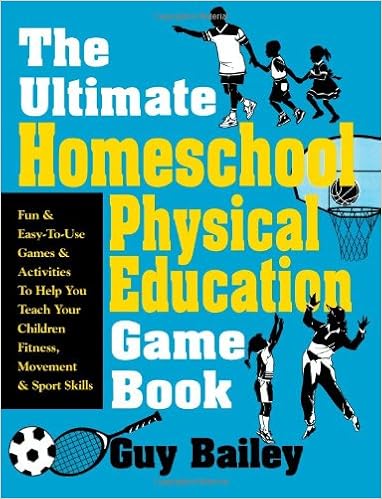
- The Ultimate Homeschool Physical Education Game Book by Guy Bailey
You can also find FREE Lessons ideas with these links:
- How To Raise Smart Kids through Movement (15 age-specific activities)
- FREE PE/Health & Safety Lessons at Easy Peasy All-In-One Homeschool.
- YouTube can be a great resource for educational videos.
- You can find FREE PE/Health Lessons on Easy Peasy All-In-One Homeschool.
- Kids Health
We often have some ‘Free Play’ outside whenever the weather allows as well.
Life Skills:
This area contains our lesson plans for a few different areas that I have included with our ‘Life Skills’. You will find lessons on cooking, cleaning, and organization as well as bible memory work and character training. All of these will go together to help raise our children into the responsible and caring citizens of tomorrow.
You can find a FREE printable log for keeping track of memory work here:
Many of the ideas have been pulled from the following resources:
- The Prairie Primer: Literature based unit studies for grades 3-6 utilizing the “Little house” series
- A Life That Says Welcome: Simple Ways to Open Your Heart & Home to Others
- Practicing Hospitality: The Joy of Serving Others
- The Polar Express.
- TRIM HEALTHY YOU Curriculum
- Contenders for the Faith : A Handbook for Young Men
- Keepers at Home: A Handbook for Young Ladies
- Character Building for Families Volume 1
- Attainment’s Life Skill Lessons: 650 Ready-to-use Transition Activities
- Kids Cook Real Food We Teach Kids To Cook – Your Kids Get Life Skills, You Get a Break
- The United States Cookbook: Fabulous Foods and Fascinating Facts From All 50 States
- We like to use the Kids Cook Real Foods site for different cooking lessons.
- The Little House Cookbook: Frontier Foods from Laura Ingalls Wilder’s Classic Stories.
- We used A Kid’s Herb Book: For Children of All Ages and Herbs Coloring Book for some of our lessons.
- Melissa & Doug Bugs Jumbo Jigsaw Floor Puzzle
- Preserving Everything
- Back to the Basics
- Herb Fairies books: A Magical Tale of Plants & Their Remedies
- Wildcraft! An Herbal Adventure Game, a cooperative board game
You can also find FREE Lessons with these links:
We will be discussing some of the character qualities that are displayed in the book but if you would like to do a separate character study lesson you can download one HERE.
Music, Arts & Crafts:
These lesson plans include Music, Arts, and Crafts. Choose one or two ideas/day as desired.
Many of the ideas have been pulled from the following resources:
- The Prairie Primer: Literature based unit studies for grades 3-6 utilizing the “Little house” series
- Drawing With Children: A Creative Method for Adult Beginners, Too
- Pioneer Crafts for Kids: 40 Craft Projects for Children, 10 Craft Projects for Youth, 20 Reproducible Bible Memory Verse Coloring Posters
- Draw 50 Animals
- Zentangle for Kids
- Audubon’s Birds of America Coloring Book
- American Wild Flowers Coloring Book
- Laura Ingalls Wilder Songbook
- Famous Trains (Dover History Coloring Book)

You can also find FREE Lessons with these links:
- FREE Early American Art Lessons on Easy Peasy All-In-One Homeschool.
- FREE Early American Music Lessons on Easy Peasy All-In-One Homeschool.
Remember: These are the lessons and activities that we used while doing this study but you can do anything your heart desires to make this a great adventure for you and your kids!

