Little House On The Prairie Adventure Week 5 Lesson Plans

**Although I try to provide as many FREE resources as possible this post may contain affiliate links alt no extra cost to you. We may earn a small commission, if a purchase is made through these links, which helps to support our blog and our family. Thank you!

Mornings:

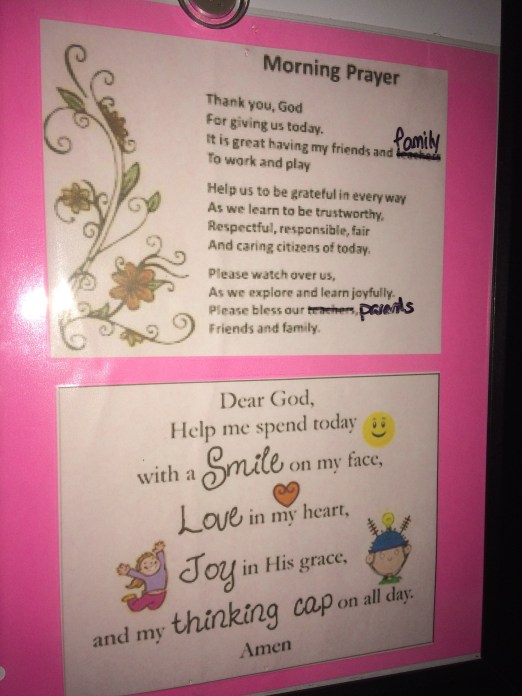
We Start every morning off with our prayers and the Pledge of Allegiance. Below is a picture of the prayers that we say and a video of the Pledge of Allegiance.
a4f356a8-2a6f-4280-abd7-33bce0719b96-4019-000000c2c1f8254c_file

Not the prettiest example but that’s what we’ve been using for the past few years.


Don’t have a flag? Grab one HEREand print it out to put up somewhere… you could even let the kids make a flag to proudly display. Amazon also has some little ones like this one HERE and HERE.

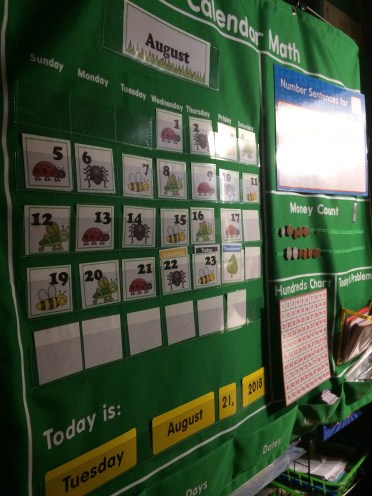
After this we have our calendar time also where we go over such things as the Days of the Week, the months, and some basic math.
d3cbca65-c096-4094-b421-827b79058cc5-4019-000000c2ec08e8e6_file

This one came from Lakeshore Learning.

We also like to use this song during our ‘Morning Time’ to help the kids learn the 50 States. 


Tip: If you want to go to a certain week/chapter or topic simply push the ‘ctrl’ and the ‘F’ button down together and a small bar will pop up. Type in the week number or chapter number you want and it will take you to it.


Week 5: Chapters 13, 14 & 15 (Texas Longhorns, Indian Camp, Fever ‘N Ague)

Here is our lesson plan for the week:


Language Arts

Reading:

Read Chapters 13, 14 & 15

Discussion Questions:

Chapter Thirteen:

  • Why did the cowboys need Pa’s help?
  • How would they pay him?
  • What did Laura want to be?
  • What did Pa bring home?
  • What did they let Baby Carrie have?

Chapter Fourteen:

  • What time of year did Ma say it was?
  • Where did Pa take the girls?
  • What did they find?
  • What did the girls make with their beads? Who did they give it too?

Chapter Fifteen:

  • What did the Laura help Ma pick? What did they do with them?
  • What did Mary do while Laura was helping Ma?
  • How did they keep the mosquitos away?
  • Who came to help when the family was sick? How did they help?
  • What was different about the Doctor?
  •  What did Mrs. Scott say caused the sickness? What really caused the sickness?

Additional Reading:

Each child would complete a reading lesson from our McGuffey Primer Books or other reading materials that we chose for the day.

Younger kids will also be doing one lesson a day from Teach Your Child to Read in 100 Easy Lessons.

Vocabulary/Spelling:**

Older Kids:

Parents click HERE for the answer key.**see instructions at the top of the page.

Younger Kids:

Handwriting:

Using  Spencerian Penmanship go over the instructions on p. 8-9

Writing:

Choose one prompt below:

  • Write a story about when you were not feeling well. Tell about who helped you and what made you feel better.
  • Continue working in your workbook.

**Remember to use the thesaurus to come up with different words.

Other Activity:

Group:

Older kids:

Younger kids:


Math

You can work on a lesson in your Ray’s Arithmetic Books or other math workbook. (The lessons below reflect what we worked on.)

Group:

Rotate through these activities:

Older Kids:
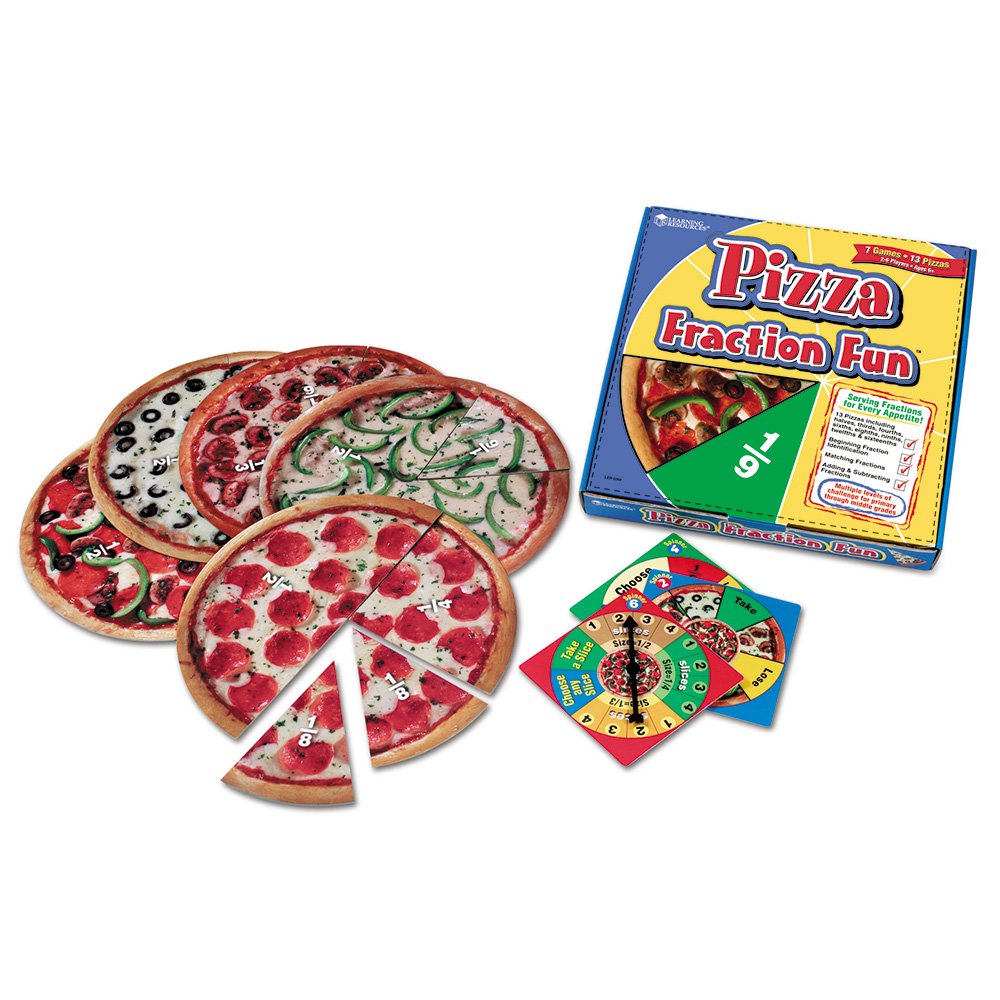
Check out this video on multiplication:

Younger Kids:


https://youtu.be/Lrjgz3UVUFM

https://youtu.be/Hfo9_nTFREc


Geography and History

1. State Study

  • This week we will study Kansas.
  • Complete your notebooking pages.
  • Older kids can write a report about the state.

2. Continue to Research Native American Indian Tribes

  • Click HERE to learn more about Indian Family life.

https://youtu.be/xy9BCCyU7_E

https://youtu.be/RtZl_GE4690

What did the Indians eat?

  • You can read about Indian diets HERE and then watch the video below.
  • Discuss what you learned.
  • Complete this Lapbook piece HERE on foods that the Indians may have eaten.

3. Research Cowboys

  • Watch this video about a cattle drive.

Extra:


Science

1. Continue to study Prairie Animals.

  • Watch a video and older kids can do some independent research.

https://youtu.be/oGwtBQ3u7qg

  • Discuss what you learned.

2. Is there anything good about mosquitoes?

  • Watch a video and older kids can do some independent research.
  • Discuss what you learned.

3. What are parasites?

  • Discuss what you learned.

4. Research blood.

  • Discuss what you learned.

5. Continue learning about simple machines.

We will be using Explore Simple Machines!: With 25 Great Projects for this study.

What are wheels and axles?

  • Read pages 34-40 of your book.
  • Write down these words and their definitions:
    • crank
    • Mesopotamia
    • sledge
    • spokes
    • artifact
    • radiocarbon dating
    • carbon
  • What did people use to move things before wheels were invented?
  • Do one of the activities on pages 41-45.

Watch this video for more information:

Extras:

Play one of these games:


Life Skills

1. Following Ma’s Example

Routines, like manners, can be used anywhere and everywhere even when we go outside.

The family was all sick during this section of the book. Do you think they kept up with their routines while they were sick? They seemed like they were all too sick to care about routines.

What happens when your mom and dad get sick? Does everyone know the daily routine well enough to keep the house running smoothly?

What do you think are some ideas for a good outside routine? Here are some ideas that could be incorporated into your routine:

  • Put on shoes
  • Put away shoes, jackets
  • Put on Bug Spray
  • Put on Sunscreen
  • Put on a hat, if needed
  • Cleaning up inside toys
  • Ask permission to go outside
  • Cleaning up outside toys
  • Put on outerwear, depending on the weather
  • Washing hands

Can you think of anything else?

  • Add your own ideas to this list.
  • Put the tasks in order from what you should start with.
  • How could this routine have helped keep the family from getting sick?

2. Ways to help around the house like Laura

We are going to learn how to mop. Mopping can be done a couple of ways. Some people prefer to use a mop and bucket of soapy water, others like myself like to use a steam mop, and some people use disposable mops like Swiffers.

However you mop if up to you but you need to make sure it is done properly. Sometimes we need to hand scrub areas of the floor too and we will learn about that next week.

How to Mop:

  • Floors need to be swept well before mopping.
  • Move anything that can be moved to make mopping easier.
  • You need to find your mop and whatever supplies you will need.
  • For steam mops you usually only need to fill the tank with water.
    • Ask for a parent’s help.
  • For Swiffer type mops, you just need the mop and disposable pad.
  • For mops and buckets you need:
    • a mop
    • a bucket filled halfway with hot water and cleaner added to it.
    • each time you put the mop in the bucket you will need to wring it out well before putting it on the floor.
  • Begin mopping in one corner of the area and work your way around.
  • Pay attention to areas that may be extra dirty.
  • Check to make sure you didn’t miss anything.
  • When finished you need to pour out the dirty water, if a mop and bucket was used. We usually pour it in the toilet when we use this method.
  • Rinse out the bucket.
  • Clean out your mop, throw away any disposable pads, or put the washable pads in the hamper.
  • Put away your tools.
  • Replace anything you moved before you started mopping.

3. Character

We will be focusing on OBEDIENCE this unit. If you don’t have the book we used you can go HERE and download a lesson plan guide to use in your home.

MemorizeChildren, obey your parents in everything, for this pleases the Lord. – Colossians 3:20

We will be studying obedience during this unit. What is obedience?

Watch this video about obeying your parents:

  • Discuss what you learned.
  • How can you apply this to your life?
  • Be sure to keep praying for God’s help to be obedient even when it is hard.

4. Manners

– Read through the next four pages of Emily’s Everyday Manners and discuss the manners shown in the pictures:

  • Good manners are important when you go to school
  • Good manners help you make friends and get along with others
  • Good manners help you keep friends too.
  • Good manners are important whether you are the host, or the guest.

5. Memory Verse

We will be memorizing Psalm 8 during this unit study. Print it HERE.

  • Work on memorizing a verse during the week for a special prize.
    • Verse 5: For thou hast made him a little lower than the angels, and hast crowned him with glory and honour.
  • Older kids can copy the memory verse down in their notebook.

6. Fun Activities

  • Watch this video about cowboy cooking:
  • Plan and make an Indian meal using what you learned this week.

7. Bonus Skills — Choose one or two to work on

Practice these until you finish this unit study and then we will move on to another new skill.

Kids Cook Real Food 

  • Work on: Class 7 – Salads, Tortillas, Chickpea Wraps (Beginner)

  • Help to prepare a meal using your new skills.

Skill Trek:

  • Work on at least one task a week.
  • Practice your new skill this week.

Memorize the books of the Bible:

  • Try it now without the teaching:

Learn about camping.

  • Learn how to set up a tent.
  • Practice doing this with a helper and by yourself.

Watch this video:

  • Remember that all tents are different so you will need to know how to set up your own tent.

Learn about Herbs.

As we are learning plants are so much more than what they seem. They each hold a special gift and some of them can be very beneficial to us.

Lemon Balm: The Pleasant Fever Breaking Herb

https://youtu.be/sjgY3wQUU1A

  • Discuss what you learned.
  • Be sure to jot down some notes.
  • Would this have been useful when the family was sick? Why or why not?

PE, Health & Safety

1.What to do if you get lost.

  • The girls often went exploring but made sure not to wander off. It would probably have been easy to get lost on the big prairie. Would you know what to do if you got lost?
  • Discuss what you have learned.
  • Make a list of all the steps to do if you get lost.
  • Work on memorizing the information you would need if you got lost.
    • name
    • phone number
    • address
  • Click HERE for a FREE printable.

2. Insect Safety

  • When the family got sick they didn’t know what had caused the illness. Mrs. Scott had believed it had come from the watermelon but it had actually came from mosquitoes. How can we protect ourselves from mosquitoes and other insects?
  • Discuss what you have learned.
  • What are some ways that we can prevent bug bites?

3. Calcium for strong bones

  • Ma and the girls were excited to see that Pa had brought home a cow as they hadn’t had any milk for a long time. Why is milk so important in our diets?
  • Discuss what you have learned.
  • Name some of the benefits of drinking milk.
  • Watch this video to learn about how much calcium we need and other sources of calcium.

Click HERE to read about the Plains Indian’s diet.

  • Discuss what you have learned.
  • How does this compare to our diet?

4. Games/Outdoor Play

  • Regular exercise is important for strong bones. Watch this video to learn about what exercises can help increase bone density.
  • Discuss what you learned.
  • Go outside and play 30 minutes and try out some bone strengthening activities.

Bonus:

Did you know that Square Dancing is a good exercise for helping you to have strong bones?

If you haven’t already signed up for classes have your parents check for a local club near you.


Music, Arts & Crafts

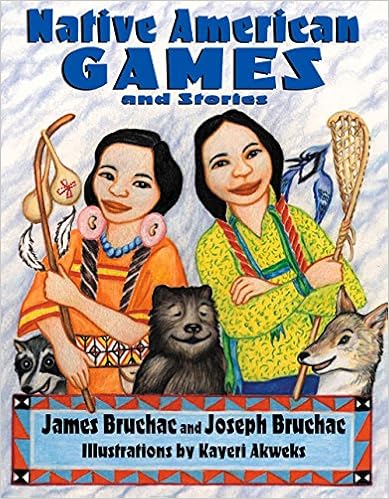
You can find more Native American crafts and activities HERE , HERE, HERE and a FREE printable coloring book HERE.

Crafts:

  1. 9 NATIVE AMERICAN CRAFTS FOR KIDS
  2. Indian Necklace Craft
  3. Make a Fringed Vest p. 13 Pioneer Crafts for Kids

Art:

  1. Longhorn coloring pages
  2. Cattle drive coloring page
  3. Three Wigwams coloring page

Look at these Native American Bead Projects HERE or below:

Music:

Listen to some of these old cowboy songs:


**BE SURE TO SAVE A FEW SAMPLES OF YOUR WORK FOR YOUR  PORTFOLIO!  TAKE PICTURES OF BIG PROJECTS!

Little House On The Prairie Adventure Week 3 Lesson Plans

**Although I try to provide as many FREE resources as possible this post may contain affiliate links alt no extra cost to you. We may earn a small commission, if a purchase is made through these links, which helps to support our blog and our family. Thank you!

Mornings:

We Start every morning off with our prayers and the Pledge of Allegiance. Below is a picture of the prayers that we say and a video of the Pledge of Allegiance.

a4f356a8-2a6f-4280-abd7-33bce0719b96-4019-000000c2c1f8254c_file

Not the prettiest example but that’s what we’ve been using for the past few years.


Don’t have a flag? Grab one HEREand print it out to put up somewhere… you could even let the kids make a flag to proudly display. Amazon also has some little ones like this one HERE and HERE.

After this we have our calendar time also where we go over such things as the Days of the Week, the months, and some basic math.

d3cbca65-c096-4094-b421-827b79058cc5-4019-000000c2ec08e8e6_file

This one came from Lakeshore Learning.

We also like to use this song during our ‘Morning Time’ to help the kids learn the 50 States. 


Tip: If you want to go to a certain week/chapter or topic simply push the ‘ctrl’ and the ‘F’ button down together and a small bar will pop up. Type in the week number or chapter number you want and it will take you to it.


Week 3: Chapters 7, 8 & 9 (The Wolf-Pack, Two Stout Doors, A Fire In The Hearth)

Here is our lesson plan for the week:


Language Arts

Reading:

Read Chapters 7, 8 & 9

Discussion Questions:

Chapter Seven:

  • How long did it take Pa and Mr. Edwards to build the stable?
  • What wonderful thing did they find in the morning?
  • Why did Pa come back home in a hurry?
  • How did Pa get away from the wolves?
  • What scary thing happened that night?

Chapter Eight:

  • What did they see outside the next morning?
  • What did Pa plan to make for the house? Why?
  • What did he need? Did he let it stop him or did he find a way to get the job finished?
  • What was Pa’s next project for the house?

Chapter Nine:

  • What did Pa need to get for the fireplace?
  • Describe the process that Pa used to build the fireplace.
  • What did Ma put on the mantel?
  • What did Pa warn Ma about?

Additional Reading:

Each child would complete a reading lesson from our McGuffey Primer Books or other reading materials that we chose for the day.

Younger kids will also be doing one lesson a day from Teach Your Child to Read in 100 Easy Lessons.

Vocabulary/Spelling:

Older Kids:

Parents click HERE for the answer key.**see instructions at the top of the page.

Younger Kids:

Handwriting:

Using  Spencerian Penmanship go over the instructions on p. 6

Writing:**

  • Complete this worksheet HERE and use some of your vocabulary words for the bottom part.
  • Practice brainstorming for upcoming reports with this worksheet HERE.

*Remember to use the thesaurus to come up with different words.

Other Activities:

Group:

Older kids:

Younger kids:


Math

You can work on a lesson in your Ray’s Arithmetic Books or other math workbook. (The lessons below reflect what we worked on.)

Group:

Rotate through these activities:

Older Kids:

Younger Kids:


https://youtu.be/WLB9ijv9CBM


Geography and History

1. State Study

  • This week we will study Rhode Island.
  • Complete your notebooking pages.
  • Older kids can write a report about the state.

2. Research the Osage Indians

  • Watch this video:

https://youtu.be/q3C3MXX-wGI

  • Discuss what you learned.
  • Write down 5 interesting facts.

Here is a video about some of the most famous Native Americans:

https://youtu.be/C6CdFWAFhwE

3. Continue to research Native American Indian Tribes

  • Do some independent research.
  • Here is an interesting video to watch also:
  • Take notes about what you learned.

Extra:


Science

1. What are mules?

  • Learn about mules and how they are different from horses.
  • Mules are hybrids. Learn more about this here:
  • Discuss what you learned.
  • Name four ways that mules are different from horses.
  • Name two more hybrid animals.

2. Continue to study Prairie Animals.

  • Older kids can also work on a report. The report needs to include behavior, habitat, and diet.


  • Discuss what you learned.
  • Name one interesting fact about wolves that you didn’t know before.

Listen to these sounds:

  • How would these sounds make you feel?

3. Why do animals eyes glow in the dark?

  • Find out why animals eyes glow in the dark.
  • Discuss what you have learned.

4. Continue learning about simple machines.

We will be using Explore Simple Machines!: With 25 Great Projects for this study.

What are screws?

  • Read pages 46-52 of your book.
  • Write down these words and their definitions:
    • thread
    • pitch
    • design
    • bolt
    • worm gear
    • spur gear
    • drill bit
  • What are some different ways that screws are used? How could these have helped Pa?
  • Do one of the activities on pages 53-56.

Watch this video for more information:

  • Discuss what you learned.
  • Play Simple Machines Game
  • Check out this video to see how this talented used screws to create pictures:

5. Research plants on the prairie.

We have been looking at prairie animals but what about the plants?

  • Discuss what you have learned.

6. Constellations

  • Discuss what you have learned.
  • Check out these neat constellation cards on this page HERELook for ‘constellations.pdf’ under History and Geography.
  • Or try this really neat craft HERE (I might try this with small flashlights.) or HERE.

Life Skills

1. Following Ma’s Example

House Cleaning Routine

Ma kept a neat and tidy home. They may not have had the nicest home, and we know from the story that they had dirt floors for a while, but it was always ‘pleasant’. Do you think that Ma had a cleaning routine? Do you remember her routine from the previous book we read?

Wash on Monday,
Iron on Tuesday,
Mend on Wednesday,
Churn on Thursday,
Clean on Friday,
Bake on Saturday,
Rest on Sunday

This is an example of a routine. Do you have a cleaning routine?

We have a daily, weekly, monthly and yearly routine that we use here. This is something that did take a little bit of work to put together and we are constantly tweaking it to fit our life.

Our daily cleaning routine includes things like making the beds, washing the dishes, cleaning the kitchen, cleaning the bathroom and laundry. We also make sure to sweep the floors, wipe the table and counters as well as to pick up our shoes and put away the toys throughout the day. This helps to keep our house neat and tidy.

We also have routines for things that need to get completed once or twice a week, once a month, and once a year. Our routines help keep everything running smoothly and help us to remember things that need done.

Here’s another video about routines:

  • What routines do you have set in place to keep your home pleasant?
  • Who is responsible for what?
  • What things could you add to your cleaning routine?

FlyLady also has some great ideas to help you set up a cleaning routine that works for you and your family as well as other routines. She also has a ton of great tools on Amazon to help keep your house tidy and organized. We love to pair her tools with natural cleaners from Grove Collaborators.

2. Ways to help around the house like Laura

This week we are going to practice sweeping. Sweeping is probably one of the most frequently performed tasks. It needs to be done before mopping.

How to Sweep a floor:

  • You need to get your broom and dustpan.
  • Move things that can be moved like trash cans, rugs, etc. before sweeping.
  • Start sweeping in one corner and work your way around the room.
  • Sweep the dirt into piles.
    • Check the piles for important things like coins and valuables.
  • Sweep the piles into the dustpan.
  • Empty the dustpan into the trashcan.
  • Check the floor again for anything missed.
  • Put back anything you moved to start with.
  • Put the broom and dustpan back where you got them from.

Check out this video to see how to properly sweep a floor:

3. Character

We will be focusing on OBEDIENCE this unit. If you don’t have the book we used you can go HERE and download a lesson plan guide to use in your home.

MemorizeChildren, obey your parents in everything, for this pleases the Lord. – Colossians 3:20

We will be studying obedience during this unit. What is obedience?

  • Have you been praying for God’s help with being obedient?
  • How have you done so far?
  • Have you remembered to thank God for helping you?

Watch these videos about Moses:

  • What did God ask Moses to do?
  • Did Moses obey like Abraham? Why or why not?
  • Did Moses want to obey? Did he obey?
  • What happened because Moses obeyed God?
  • We need to pray for obedient hearts that don’t argue back.
  • Pray for help to obey even when you don’t want to obey.

‘Obedience is not always pleasant, but it is still very necessary. Obedience always brings a blessing.’

4.Manners

– Read through the next four pages of Emily’s Everyday Manners and discuss the manners shown in the pictures:

  • Some manners get used a lot
  • Some only get used once or twice
  • Some are used only on special occasions

5. Memory Verse

We will be memorizing Psalm 8 during this unit study. Print it HERE.

  • Work on memorizing a verse during the week for a special prize.
    • Verse 3: When I consider thy heavens, the work of thy fingers, the moon and the stars, which thou hast ordained;
  • Older kids can copy the memory verse down in their notebook.

6. Fun Activities

7. Bonus Skills — Choose one or two to work on

Practice these until you finish this unit study and then we will move on to another new skill.

Kids Cook Real Food 

  • Work on: Class 5 – Dry Beans, Rice (Beginner)

  • Help to prepare a meal using your new skills.

Skill Trek:

  • Work on at least one task a week.
  • Practice your new skill this week.

Memorize the books of the Bible:

Learn about camping.

  • Research about campfire safety.

https://youtu.be/mAuhoT-K5gI

  • Write down these terms and what they mean:
    • Tinder: Dry twigs, pine needles, pine cones and other flammable material that is not very thick
    • Kindling: Small branches and materials for burning
    • Fuel: Can range from branches or logs for keeping your fire burning
    • Firebreak: a barrier of cleared ground to prevent the spread of the fire

Learn about Herbs.

  • Did you know that herbs have stories written about them? These stories are called herbal lore.

https://youtu.be/TXeag2-o66E

Goldenrod was mentioned in this section. Here is a quick video on its uses:

  • Discuss what you learned.
  • Be sure to jot down some notes.

PE, Health & Safety

1. Fireplace Safety

  • The Ingalls’ family used their fireplace not only to cook but also to keep warm. This means it was essential to use almost everyday. They kids learned how to stay safe around the fireplace and you can too.
  • Discuss what you have learned.
  • List 5 things you should do to stay safe around a fireplace.

2. Heater Safety

  • The Ingalls family used their fireplace to keep warm but many of us don’t have fireplaces. Sometimes people use heaters to keep warm. Let’s learn how to stay safe.
  • Sometimes people use things like BBQ grills to heat their home when they can’t use a heater. Do you know why this can be dangerous?
  • Discuss what you have learned.
  • Make a safety checklist for heating your home.

3. Games/Outdoor Play

Laura enjoyed watching all of the animals on the prairie and mentioned the many different types of birds she saw. You can take turns naming the birds while playing this game.


Music, Arts & Crafts

You can find more Native American crafts and activities HERE , HERE, HERE and a FREE printable coloring book HERE.

Crafts:

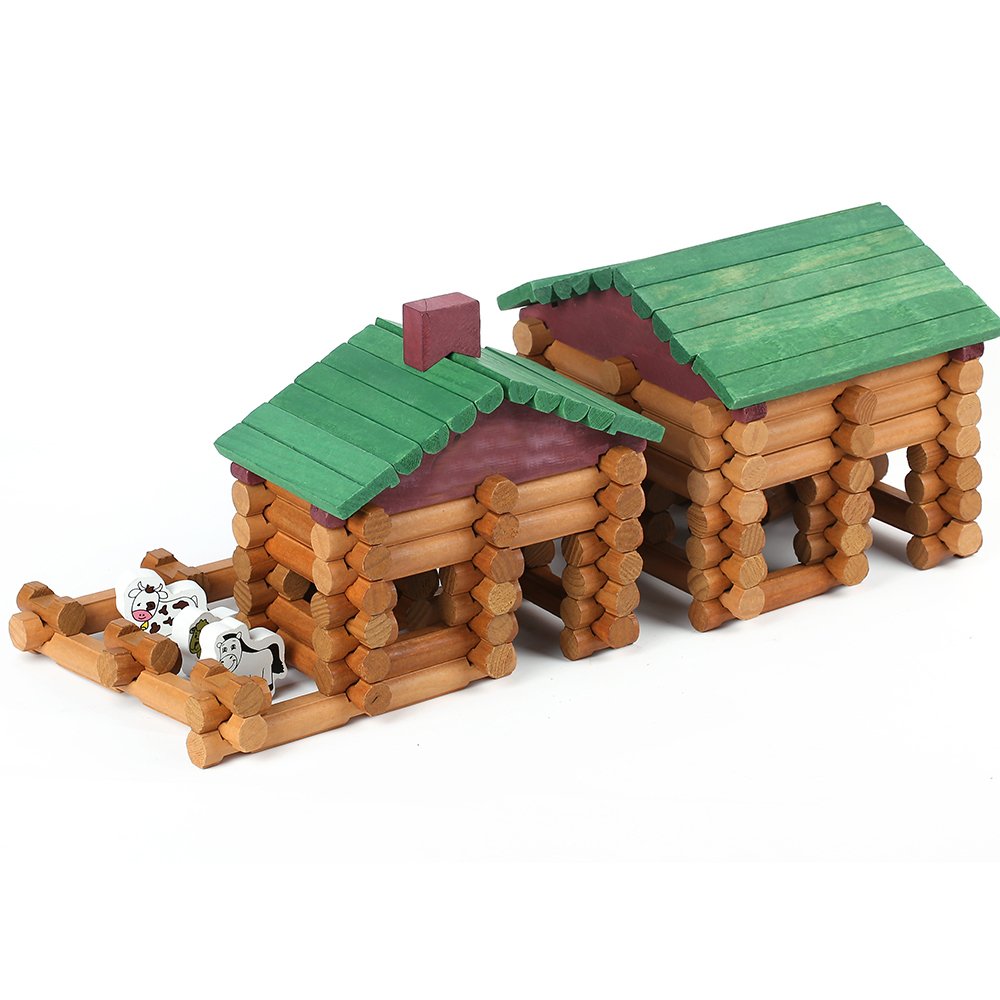
  1. Build a log cabin with Lincoln Logs
  2. Make a Log Cabin Photo Frame p. 36 Pioneer Crafts for Kids
  3. Use My Book of Little House Paper Dolls: The Big Woods Collection to reenact and retell the story to someone.
  4. Make a Flower Mask p. 16 Pioneer Crafts for Kids
  5. Build a Pretzel Log Cabin

Art: 

  1. Color some prairie flowers
  2. Draw a rock fireplace as Laura descibed it.
  3. Draw a log cabin.

Or you can try to draw a wolf:

Music:

Listen to the natural songs made by wolves:


**BE SURE TO SAVE A FEW SAMPLES OF YOUR WORK FOR YOUR  PORTFOLIO!  TAKE PICTURES OF BIG PROJECTS!

Little House On The Prairie Adventure Week 2 Lesson Plans

**Although I try to provide as many FREE resources as possible this post may contain affiliate links alt no extra cost to you. We may earn a small commission, if a purchase is made through these links, which helps to support our blog and our family. Thank you!

Mornings:

We Start every morning off with our prayers and the Pledge of Allegiance. Below is a picture of the prayers that we say and a video of the Pledge of Allegiance.

a4f356a8-2a6f-4280-abd7-33bce0719b96-4019-000000c2c1f8254c_file

Not the prettiest example but that’s what we’ve been using for the past few years.


Don’t have a flag? Grab one HEREand print it out to put up somewhere… you could even let the kids make a flag to proudly display. Amazon also has some little ones like this one HERE and HERE.

After this we have our calendar time also where we go over such things as the Days of the Week, the months, and some basic math.

d3cbca65-c096-4094-b421-827b79058cc5-4019-000000c2ec08e8e6_file

This one came from Lakeshore Learning.

We also like to use this song during our ‘Morning Time’ to help the kids learn the 50 States. 


Tip: If you want to go to a certain week/chapter or topic simply push the ‘ctrl’ and the ‘F’ button down together and a small bar will pop up. Type in the week number or chapter number you want and it will take you to it.


Week 2: Chapters 4, 5 & 6 (Prairie Day, The House on the Prairie, Moving In)

Here is our lesson plan for the week:


Language Arts

Reading:

Read Chapters 4, 5 & 6

Discussion Questions:

Chapter Four:

  • What did they eat for breakfast? Would you like this? Why or why not?
  • What chores did they have?
  • Name three animals that the girls saw while exploring. Name three different animals that Pa saw.
  • What did Laura want to see?
  • What did they have for dinner?

Chapter Five:

  • How did they set up house?
  • What did Pa go to get from the creek bottom?
  • What did Pa do with the logs?
  • How did Ma get hurt?
  • Where was Mr. Edwards from? How did he help them?

Chapter Six:

  • Why did Pa say that they hadn’t seen any Indians in the beginning of the chapter?
  • What did Pa use for the roof?
  • What did Pa use for a door?
  • What did Pa say he wanted? Why?

Additional Reading:

Each child would complete a reading lesson from our McGuffey Primer Books or other reading materials that we chose for the day.

Vocabulary/Spelling:

Older Kids:

Parents click HERE for the answer key.**see instructions at the top of the page.

Younger Kids:

Handwriting:

Using  Spencerian Penmanship go over the instructions on p. 5

Writing:


Choose one prompt below:

  • Practice writing a friendly letter with this worksheet HERE.
  • Practice some writing with this worksheet HERE(You may need to make a FREE account to print these out.)

**Remember to use the thesaurus to come up with different words.

Other Activities:

Group:

Older kids:

Younger kids:


Math

You can work on a lesson in your Ray’s Arithmetic Books or other math workbook. (The lessons below reflect what we worked on.)

Group:

Rotate through these activities:

Older Kids:

Younger Kids:


Geography and History

1. State Study

  • This week we will study New Jersey.
  • Complete your notebooking pages.
  • Older kids can write a report about the state.

2. Learn about the Prairie

  • Discuss what you have learned.
  • How do you think life will be different on the prairie?

3. Research the Pony Express

  • Watch this video:

Or this one:

  • Discuss what you have learned.

4. Research Pioneer Cabins

  • Watch these videos about pioneer cabins:

https://youtu.be/nI4rpgyC9lw

Here is one close to our home here:

  • Take notes about these videos. You will need them for an activity down below.
  • Explore the People Long Ago Resource Box  from Lakeshore Learning

5. Research Native American Indian Tribes

  • Learn about Teepees HERE.
  • Read more about this HERE and then watch this video:
  • Discuss what you learned.
  • Is this something you would be interested in? Write about why or why not you would be interested.

Here is a video about setting up a teepee:


Science

Week 2: Chapters 4, 5 & 6

1. Read about prairie animals.

  • Older kids can also work on a report about prairie animals. The report needs to include behavior, habitat, and diet.
  • Here are a couple of videos to get you started:

Here is a video about prairie dogs:

And another about Hawks:

https://youtu.be/Eehs2Md5bcg

  • Discuss what you learned.
  • Choose an animal to study and write a report about. Your report will be due next week.

2. What is the solar system?

  • Discuss what you learned.

3. Continue learning about simple machines.

We will be using Explore Simple Machines!: With 25 Great Projects for this study.

What are levers?

  • Read pages 12-19 of your book.
  • Write down these words and their definitions:
    • fulcrum
    • load
    • effort
    • engineer
    • linkage
    • agriculture
    • defense
    • invent
    • shaduf
    • counterweight
    • irrigation ditch
    • archaeologist
    • catapult
    • trebuchet
  • How many types of levers are mentioned in the book? What are the differences?
  • Do one of the activities on pages 20-25.

Watch this video for more information:

Extra:


Life Skills

1. Following Ma’s Example

Routines are essential for a successful household.

In this section we read about how Ma kept everything running smoothly while they were building the house even when she was hurt. They had a routine for getting moved in and set up as well.

Watch this video to see how one woman moved, built her own cabin, and started her new homesteading life.

  • Discuss what you’ve learned.
  • What steps did she go over?
  • Do you think if others follow her steps that they can homestead too? Why or why not?
  • What does she say about baby steps?
  • She seems very happy, would you like to try this?

2. Ways to help around the house like Laura

Emtpying the trashcans.

How to empty a trash can:

  • Collect all the trash from each room and carry it to the kitchen trash can.
  • Remove the full trash bag and dispose of it properly.
  • Clean out the trash can, if needed.
  • Replace the liner/bag.
  • Take the empty wastebaskets back to where they belong.

Do you know where the trash cans are in each room? Do you know where the trash bags are kept? If not, ask a parent to show you.

3. Character

We will be focusing on OBEDIENCE this unit. If you don’t have the book we used you can go HERE and download a lesson plan guide to use in your home.

MemorizeChildren, obey your parents in everything, for this pleases the Lord. – Colossians 3:20

We will be studying obedience during this unit. What is obedience?

  • Do you remember what obedience means?
  • Do you remember what your family rules are?
  • Have you been praying for God’s help?

Watch this video about Genesis 22:1-18

  • What did God ask Abraham to do?
  • Did Abraham obey God?
  • How many times did God have to ask him?
  • Did Abraham question God?
  • What did God promise Abraham for his obedience?
  • We need to pray that God will help us to obey the first time we are told just like Abraham did.

4. Manners

– Read through the next four pages of Emily’s Everyday Manners and discuss the manners shown in the pictures:

  • Using the magic words:
    • Please
    • Thank you
    • You’re welcome
    • Excuse me
  • Use your manners everyday with family, friends, and everyone you meet.

https://youtu.be/o1WJnbJDTS0

5. Memory Verse

We will be memorizing Psalm 8 during this unit study. Print it HERE.

  • Work on memorizing a verse during the week for a special prize.
    • Verse 2: Out of the mouth of babes and sucklings hast thou ordained strength because of thine enemies, that thou mightest still the enemy and the avenger.
  • Older kids can copy the memory verse down in their notebook.

6. Fun Activities

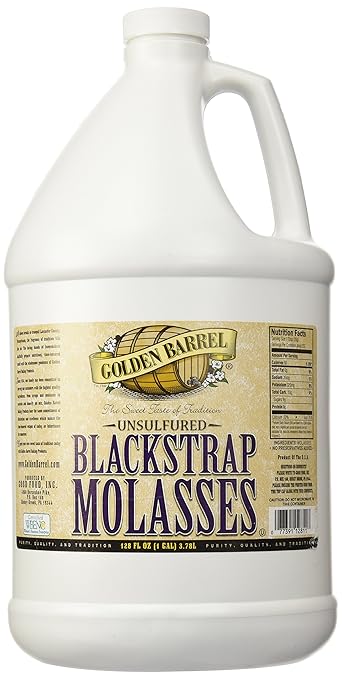
Golden Barrel Bulk Unsulfured Blackstrap Molasses Jug (128 fl oz)

Golden Barrel Bulk Unsulfured Blackstrap Molasses Jug

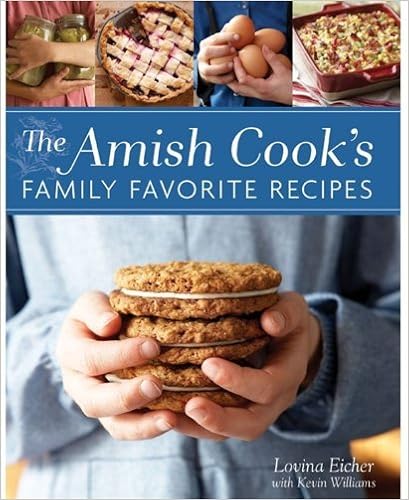
The Amish Cook’s Family Favorite Recipes by Lovina Eicher

6. Bonus Skills — Choose one or two to work on

Practice these until you finish this unit study and then we will move on to new skills.

Kids Cook Real Food 

  • Work on: Class 4 – Spice Blends, Muffins, Whole Fruits (Beginner)

  • Help to prepare a meal using your new skills.

Skill Trek:

  • Work on at least one task a week.
  • Practice your new skill this week.

Memorize the books of the Bible:

Learn about camping.

We have learned that manners are always important. Here is a video about camping etiquette.

  • Discuss what you learned.
  • Write down some good camping manners.

Learn about Herbs.

Weeds vs. Herbs

  • Any plant that has medicinal purposes is called a herb. Weeds are usually any plant growing in a place that we don’t want it to grow.
  • All herbs could be seen as weeds but not all weeds are herbs. Do you know the difference?
  • Some herbs are used for medicine. The American Indians learned how to use many plants:
  • Some herbs are used as spices too:
  • Discuss what you learned.
  • Jot down notes in your notebook.
  • What herbs or spices do you use in your home?

Other Uses

  • Not all herbs are eaten. There are many ways that herbs can be used. Check out this website HERE for more information.
  • Write down some of the other ways that herbs can be used.
  • In our home we use a lot of essential oils. Do you know what essential oils are?
  • Discuss what you learned.
  • Jot down notes in your notebook.
  • Research some herbs that may have been useful in treating Ma’s sprained ankle.


PE, Health & Safety

1. Outdoor Exploring Safety

  • Laura and Mary had a lot of fun exploring outdoors and you can too. Watch these videos to learn how to stay safe.
  • Discuss what you have learned.
  • Name 5 things you can do to stay safe.

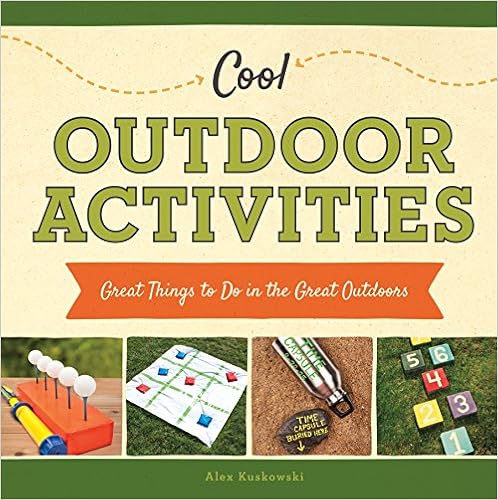
Cool Outdoor Activities: Great Things to Do in the Great Outdoors

2. Sprains

  • Ma got hurt when the log fell and she sprained her ankle. We can get hurt when we are playing and exploring to. Do you know what a sprain is?
  • How do you treat a sprain?
  • Discuss what you have learned.
  • How did the treatment in the video compare/contrast with the way Ma treated her sprain?

3. What is Molasses?

  • Watch how molasses is made:
  • Discuss what you have learned.

4. Games/Outdoor Play

Mr. Edwards did jumping jacks when Pa played the fiddle. Do you know how to do a jumping jack?


Music, Arts & Crafts

You can find more Native American crafts and activities HERE , HERE, HERE and a FREE printable coloring book HERE.

Crafts:**

  1. Try some making some origami animals.

Art:


  1. Prairie Dog Coloring Page
  2. How to draw a Prairie Dog
  3. or Free Choice

Music:

**BE SURE TO SAVE A FEW SAMPLES OF YOUR WORK FOR YOUR  PORTFOLIO!  TAKE PICTURES OF BIG PROJECTS!

Little House In The Big Woods Adventure Resource List

**Although I try to provide as many FREE resources as possible this post may contain affiliate links alt no extra cost to you. We may earn a small commission, if a purchase is made through these links, which helps to support our blog and our family. Thank you!

We read Laura Ingalls Wilder: A Biography before starting our study.

NOTE: My kiddos were 5, 6, 9, 11, and 15 at the time we created study unit. Some ideas may need to be changed/adjusted for older kids.

Tip: If you want to go to a certain week/chapter or topic simply push the ‘ctrl’ and the ‘F’ button down together and a small bar will pop up. Type in the week number or chapter number you want and it will take you to it.


Introduction:

We have been using the Little House on the Prairie Books for our homeschool this year and my kids are loving it. I have scoured the internet for resources to make our learning experience as fun and exciting as possible. This series of posts is a compilation of different resources we have found and used in our home. Please note that some of these may have been FREE at the time I found them and prices and/or availability may have changed. Feel free to leave your own links in the comments section below.

I also want to take a moment to thank all of these wonderful people who put together so many wonderful resources for all of us to use with our children. I know that many hours, blood, sweat, and tears went into these projects but your work is greatly appreciated!


Answer Key found HERE**ANSWER KEY password: momsrock (highlight blank area)


Language Arts:

We will be completing this Lap Book project as we read through this book.

Reading:

We will be reading the noted selection for the week as well as discussing what we have read. I may come up with other questions as well. Kids are curious and I know we will have many questions which may lead to some research in other areas.

We will also be working on reading through a few books, see Kirby’s Kids Grade by Grade Homeschool Reading List , for each different grade level. The older kids will have some independent reading while the younger ones will have a mixture of read alouds, read alongs, and independent reading.

You should keep a record of the books read. You can do this in a notebook or using this printable HERE.

Handwriting:

I did not list handwriting in the weekly work tasks as my kids are using the Spencerian Penmanship for handwriting and will practice this every day.

Vocabulary:

We will be doing various activities for this area. We will be looking up definitions, matching words, putting the words in alphabetical order, and a variety of other activities.

Writing:

There will be a variety of creative writing ideas as well. I have tried to vary them and offer choices to help encourage writing. We will also be doing various writing assignments in some of other areas as well.

Check out PRINTABLE WRITING PAPER- TWENTY FREE TEMPLATES FOR KID’S WRITING for some FREE writing resources!

Other Activities:

These are just some of the other activities that I am incorporating into the lessons with my kiddos as we are all at different learning levels. I put these in here to keep me organized so I don’t ‘forget’ something.

I will add links to worksheets I find or make as we go through the unit. For a general guideline of skills your child should know by grade level click HERE.

I have pulled a lot of the material from the book for the worksheets listed down below.

Many of the ideas have been pulled from the following resources:

You can also find FREE Lessons with these links:

Other resources used:

The younger kids will also have access to various Read-Along books and puppet books. I will update links to those as we go along.


Math:

Many of the ideas have been pulled from the following resources:

Note about Ray’s Arithmetic Books: These can be a little confusing at first but the Parent/Teacher guide is so useful! I have found that the books are in order as follows:

  • 1st/2nd grades: Ray’s New Primary Arithmetic
  • 3rd/4th grades: Ray’s New Intellectual Math
  • 5th/6th grades: Ray’s Practical Arithmetic
  • 7th/8th grades: Ray’s Higher Arithmetic

I have used a lot of the examples from the book to create the worksheets you will find listed below. **ANSWER KEY password: momsrock (highlight blank area)

You can also find FREE Lessons with these links:


Social Studies:

Many of the ideas have been pulled from the following resources:

You can also find FREE Lessons with these links:


Science:

Many of the ideas have been pulled from the following resources:

You can also find FREE Lessons with these links:

  • We will also be studying different lessons from Mystery Science which is a site that the kids LOVE! We have found a lot of FREE lessons on this site. (You do need a membership to access all of the site.)
  • YouTube can be a great resource for educational videos.
  • Itsy Bitsy Bear Book via KidZone
  • We will also be studying different lessons from Mystery Science which is a site that the kids LOVE! We have found a lot of FREE lessons on this site.
  • FREE Zoology Lessons at Easy Peasy All-In-One Homeschool.
  • FREE Physics and Chemistry Lessons at Easy Peasy All-In-One Homeschool.

My kids also enjoyed reading:

 Bears on the Brain (Science Solves It!)


PE/Health & Safety Resources:

Many of the ideas have been pulled from the following resources:

You can also find FREE Lessons ideas with these links:

We often have some ‘Free Play’ outside whenever the weather allows as well.


Life Skills:

This area contains our lesson plans for a few different areas that I have included with our ‘Life Skills’. You will find lessons on cooking, cleaning, and organization as well as bible memory work and character training. All of these will go together to help raise our children into the responsible and caring citizens of tomorrow.

You can find a FREE printable log for keeping track of memory work here:

Many of the ideas have been pulled from the following resources:

You can also find FREE Lessons with these links:

We will be focusing on OBEDIENCE this unit. If you don’t have the book we used you can go HERE and download a lesson plan guide to use in your home.


Music, Arts & Crafts:

These lesson plans include Music, Arts, and Crafts. Choose one or two ideas/day as desired.

Many of the ideas have been pulled from the following resources:

You can also find FREE Lessons with these links:

We have also bought the following books/products for use with this series:


Remember: These are the lessons and activities that we used while doing this study but you can do anything your heart desires to make this a great adventure for you and your kids!


Little House In The Big Woods Adventure Weekly Lesson Plan Links & Guide

**Although I try to provide as many FREE resources as possible this post may contain affiliate links alt no extra cost to you. We may earn a small commission, if a purchase is made through these links, which helps to support our blog and our family. Thank you!

Click Here for Little House In The Big Woods Adventure Weekly Lesson Plan Links Only

How we use these lesson plans:

Our school week is usually completed in 4 days. We use a Loop Schedule where we work for a designated amount of time on each subject before moving on to the next. After their work is completed for the day the kids are allowed to have independent studies were they can study whatever their little hearts desired.

Our 5th day is an optional day that we use to complete unfinished work or for other activities as we choose.


Please click HERE for a list of resources that we have purchased from Amazon and other suppliers.

Click on the links below for the series you would like to view/use. I will update these links as we get them finished.

Tip: If you want to go to a certain week/chapter or topic simply push the ‘ctrl’ and the ‘F’ button down together and a small bar will pop up. Type in the week number or chapter number you want and it will take you to it.


1. Little House In The Big Woods Adventure Week 1 Lesson Plans

  • Language Arts:
    • Read Chapters 1 & 2
    • Discussion
    • McGuffey Primer Lesson
    • Vocabulary
    • Writing Activities
    • These week we learn about fiction vs. nonfiction
    • Make a Pioneer Journal
    •  Mother Goose Phonics: Pat A Cake
  • Math:
  • Geography and History:
    • State Study: Wisconsin
    • Research Pioneer Life
  • Science:
    • Learn about Bears
    • Learn about Panthers
    • Research Microbes and Bacteria
    • Learn about Density
    • Bonus: Why does fire burn different colors?
  • Life Skills:
    • Research Pioneer Chores
    • Making our bed
    • Interrupting
    • Memory Work
    • Fun activities: Make Butter
    • Bonus Skills: Memorizing the books of the Bible, Archery, and/or Baking
  • PE, Health & Safety:
    • Stranger Danger
    • Play Little Brown Bear
  • Music, Arts, and Crafts:
    • Crafts: Hog’s Bladder Balloons, Corn Cob/Husk Dolls, Snowflakes, and Paper Dolls
    • Art: Bulldogs, Jack Frost
    • Music: Yankee Doodle Dandy, Butter Churning Song

Continue reading “Little House In The Big Woods Adventure Weekly Lesson Plan Links & Guide”