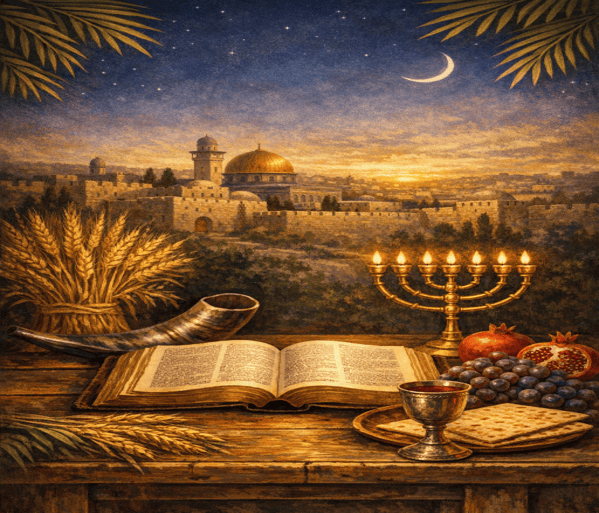
As many of you know, I went down a rabbit hole not too long ago and the things I have learned have totally transformed my life, for the better. Things can still be confusing, and I am by NO MEANS an EXPERT on this topic, but I feel led to share what I have been learning and I will update posts as we continue on this journey.
Today, I want to share with you a little about how we have been celebrating the Biblical Feasts and Sabbath. I will also give you some scripture references for each celebration. This is intended as a starting point for others who may have stumbled upon this as I did. Please do your own research and pray about how GOD will lead you on your journey.
LOVE is our theme of the month, and we are working on learning ways to show LOVE other than just telling someone that we LOVE them. Our kids have brainstormed some fun and budget-friendly ways to show LOVE for others. We want to learn to create memories without spending a fortune.
Pip: Welcome back to Pollywog’s Place — where the calendar is not a passive object but a living document requiring lunar consultation.
Mara: Susie at Pollywog’s Place Blog has been mapping out the Biblical Feasts for 2026, walking through what each one means, when it falls, and how families can actually observe it. Let’s start with the dates themselves and the theology behind them.
Biblical Feasts: Key Dates for 2026
Mara: The core question this post answers is practical: when, exactly, do the Biblical Feasts fall in 2026, and what is each one actually commemorating? It’s a reference guide with real theological grounding underneath the dates.
Pip: The post sets up why you even need a guide like this: “Unlike holidays, where the dates usually fall at the same time every year, Holy Days are not set dates. I always have to check the Jewish calendars as the Biblical Feasts vary according to certain signs like cycles of the moon and sun, which I have no way to accurately calculate.”
Mara: So the upshot is that these aren’t dates you can memorize once and move on — they shift with lunar and solar cycles, and the start time shifts too, since Jewish dates typically begin at sundown the day before.
Pip: The post lays out all seven main festivals across two seasons. Spring opens with Passover and the Feast of Unleavened Bread, both running April 1 through 9, followed by the Feast of First Fruits on May 21 through 23. Fall brings the Feast of Trumpets on September 11 through 13, the Day of Atonement on September 20 through 21, the Feast of Tabernacles running September 26 through October 2, and the Feast of the Eighth Day on October 2 through 3.
Mara: Each feast carries its own weight. Passover marks both the freeing of the Israelites from Egypt and the crucifixion of Jesus. The Feast of Unleavened Bread remembers the Israelites leaving in such haste they couldn’t let their bread rise. Pentecost, fifty days after Passover, foreshadows the coming of the Messiah.
Pip: The fall feasts shift in tone. The Feast of Trumpets looks forward — the post notes kids get to blow the Shofar. The Day of Atonement is described as solemn, often marked by a 24-hour fast. And Sukkot is framed, memorably, as “Thanksgiving and Christmas rolled into one.”
Mara: The post also notes that Sabbath, while not a Biblical Feast, is treated as a commanded observance — and links out to companion posts including Starting Our Sabbath and Sabbath Day Resources for families building that practice.
Pip: There’s an honest note running through all of it — this is a family learning alongside their readers, not a finished authority handing down conclusions.
Mara: Two seasons, seven feasts, and a calendar that asks you to pay attention to the moon — that’s a different relationship with time than most of us are used to.
Pip: Next time, we’ll see what else is taking shape at Pollywog’s Place.
We have been on a mission to bring our family closer together. This is something we have prayed long and hard about, and GOD is working!
We love a lot of old traditions and customs, along with some of the new ones. We try to have at least one or two ‘family get-togethers’ here at our home. The biggest is probably our annual Polar Express party around Christmas time… this has been happening for a while now, and everyone looks forward to it. Why stop at that? We were trying to have a special Sabbath meal each week, and also trying to plan a monthly family dinner with Papa and Nanny, but those got sidelined a bit.
Why? Well, our priorities shifted, and other things seemed more important. We have to make room and time for the people and things we truly love, so I am on a mission to bring back our family dinners. They may not be quite as fancy as they once were, because I’m still exhausted from all the challenges we had last year, but they will be fun.
Unlike holidays, where the dates usually fall at the same time every year, Holy Days are not set dates. I always have to check the Jewish calendars as the Biblical Feasts vary according to certain signs like cycles of the moon and sun, which I have no way to accurately calculate. The dates can vary, depending on the calendar you use, as the Jewish dates usually begin at sundown the day before.
In Leviticus 23, the Feasts are mentioned, and there are numerous other mentions of them in the Bible. God has sent out our invitations, so we should accept them and celebrate these Feasts in gratitude for all that HE has done for us.
Here are the specific dates for the main festivals of the year:
You may notice that the Feasts fall in two different seasons, Spring and Fall. These also coincide with harvest times. Below are some of the links to posts that we have made for the individual Feasts: