Scripture — 2 Timothy 1:7 KJV
“For God hath not given us the spirit of fear; but of power, and of love, and of a sound mind.”
Continue reading “Day 13 — Release the “What Ifs””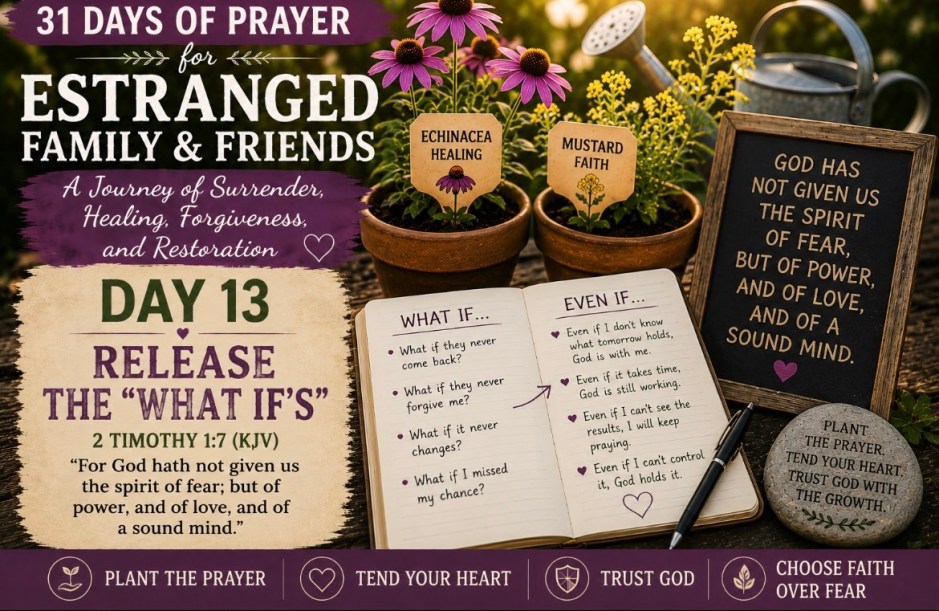
Scripture — 2 Timothy 1:7 KJV
“For God hath not given us the spirit of fear; but of power, and of love, and of a sound mind.”
Continue reading “Day 13 — Release the “What Ifs””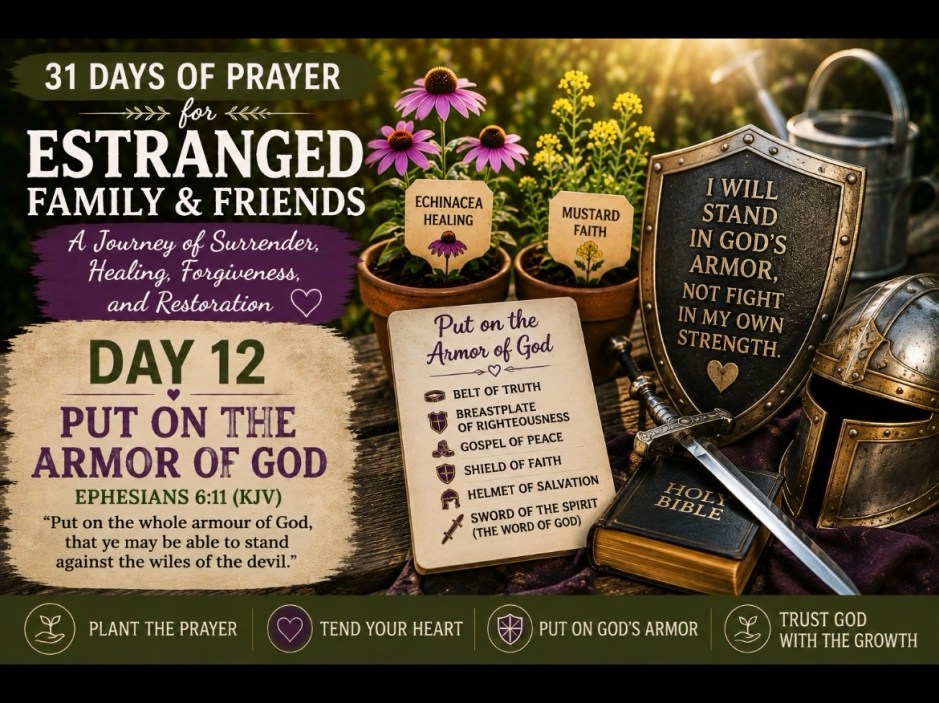
Scripture — Ephesians 6:11 KJV
“Put on the whole armour of God, that ye may be able to stand against the wiles of the devil.”
Continue reading “Day 12 — Put On the Armor of God”
Why would we welcome things into our homes for one day that we wouldn’t want influencing our lives throughout the rest of the year?
If something would trouble us in February or June, what changes when October arrives?
That question is part of why our family is choosing not to celebrate Halloween. But the more I consider it, the more I realize this reaches beyond one holiday.
Sometimes it feels as though the world is taking over our thoughts, lives, and homes one season at a time. There is always something we’re encouraged to buy, display, watch, or participate in.
I’ve started asking myself: Are we prayerfully choosing the rhythm of our home, or simply following whatever comes next?
These convictions have grown over time.
Things I once accepted without much thought have started to trouble me. Recently, I’ve felt more and more convicted, and changes are being made in our lives.
We’re reconsidering what we celebrate, what we watch, how we decorate, and what receives our attention.
We don’t have everything figured out. Changing familiar habits can be uncomfortable, especially when those habits hold childhood memories.
But I don’t want to ignore a growing conviction simply because continuing as we always have would be easier.
I’m sharing this as someone whose own heart and habits are changing.
Continue reading “One Season at a Time: Making a New Normal in Our Home”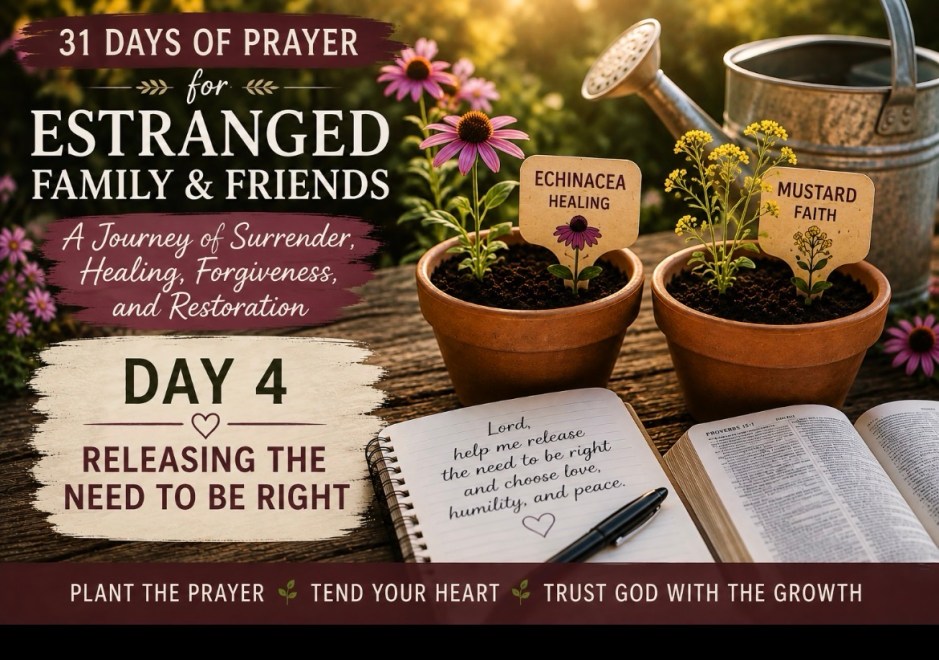
“A soft answer turneth away wrath: but grievous words stir up anger.”
Continue reading “Day 4 — Releasing the Need to Be Right”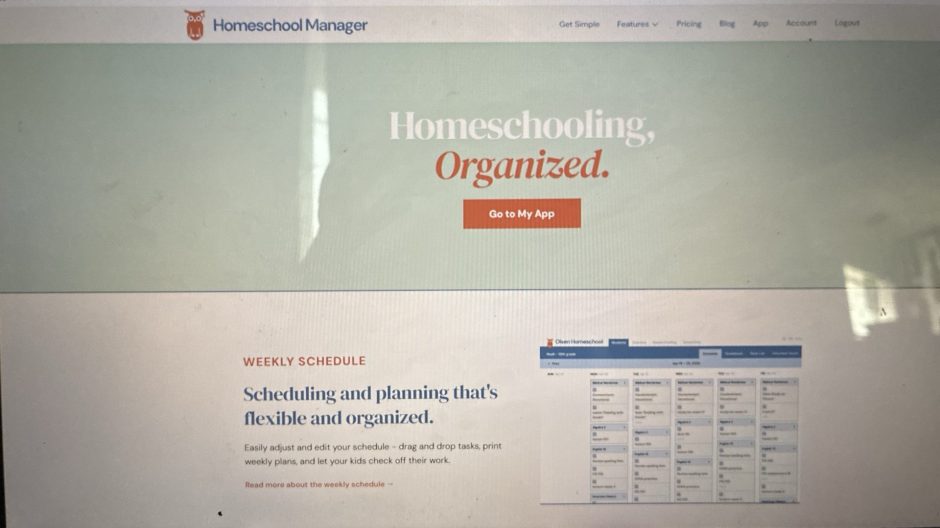
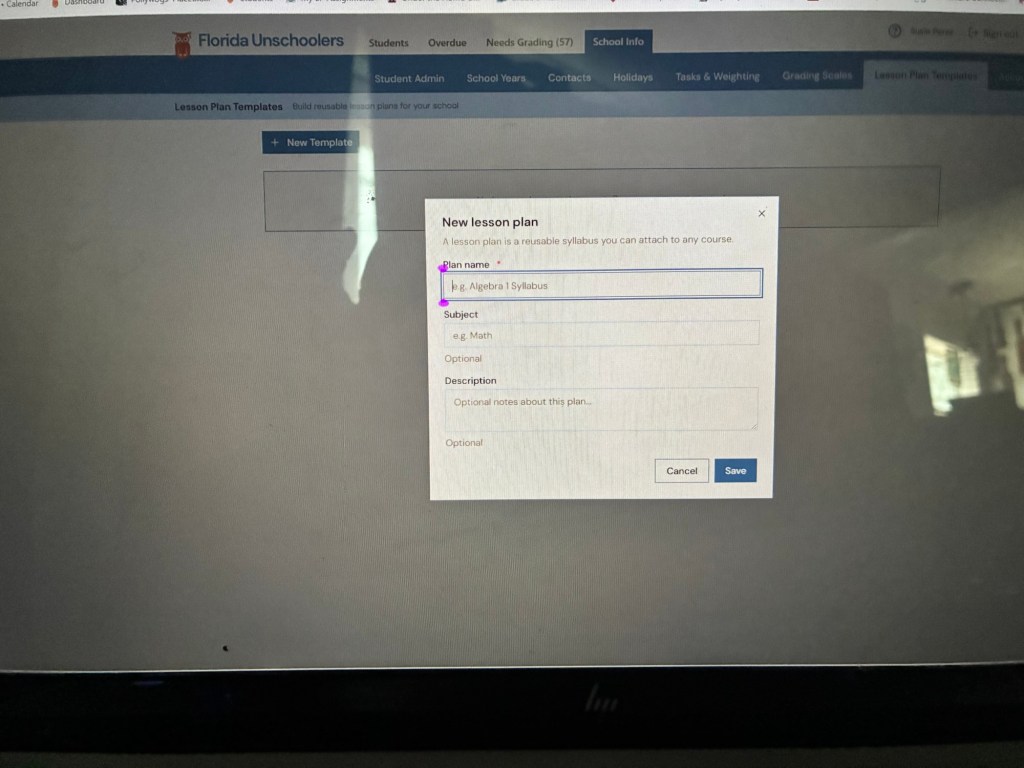
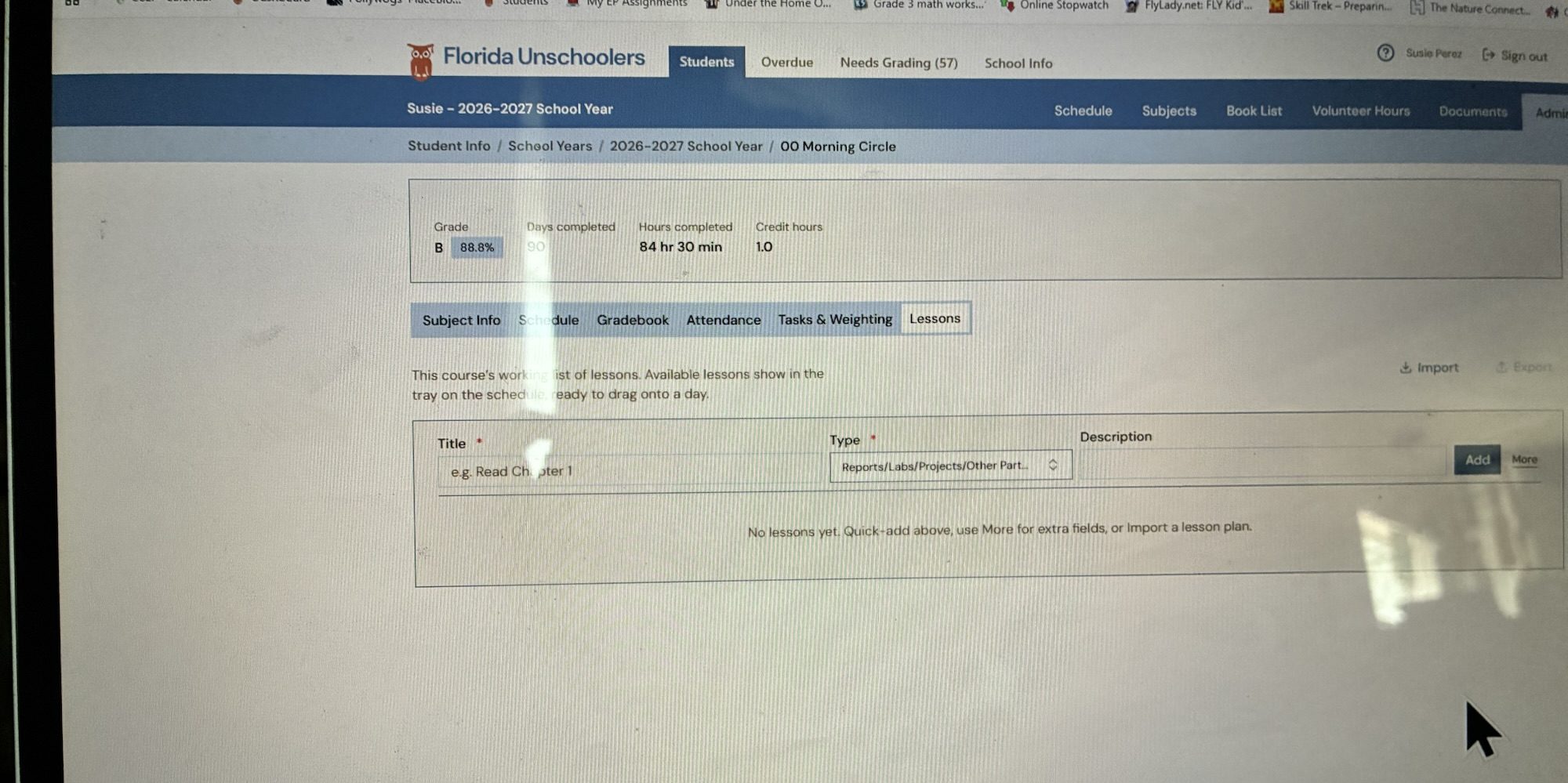
If you homeschool more than one child, you know that teaching the lessons is only part of the job. There are also grades to record, attendance to track, lessons to organize, records to keep…and somehow we’re supposed to remember where we put all of it.
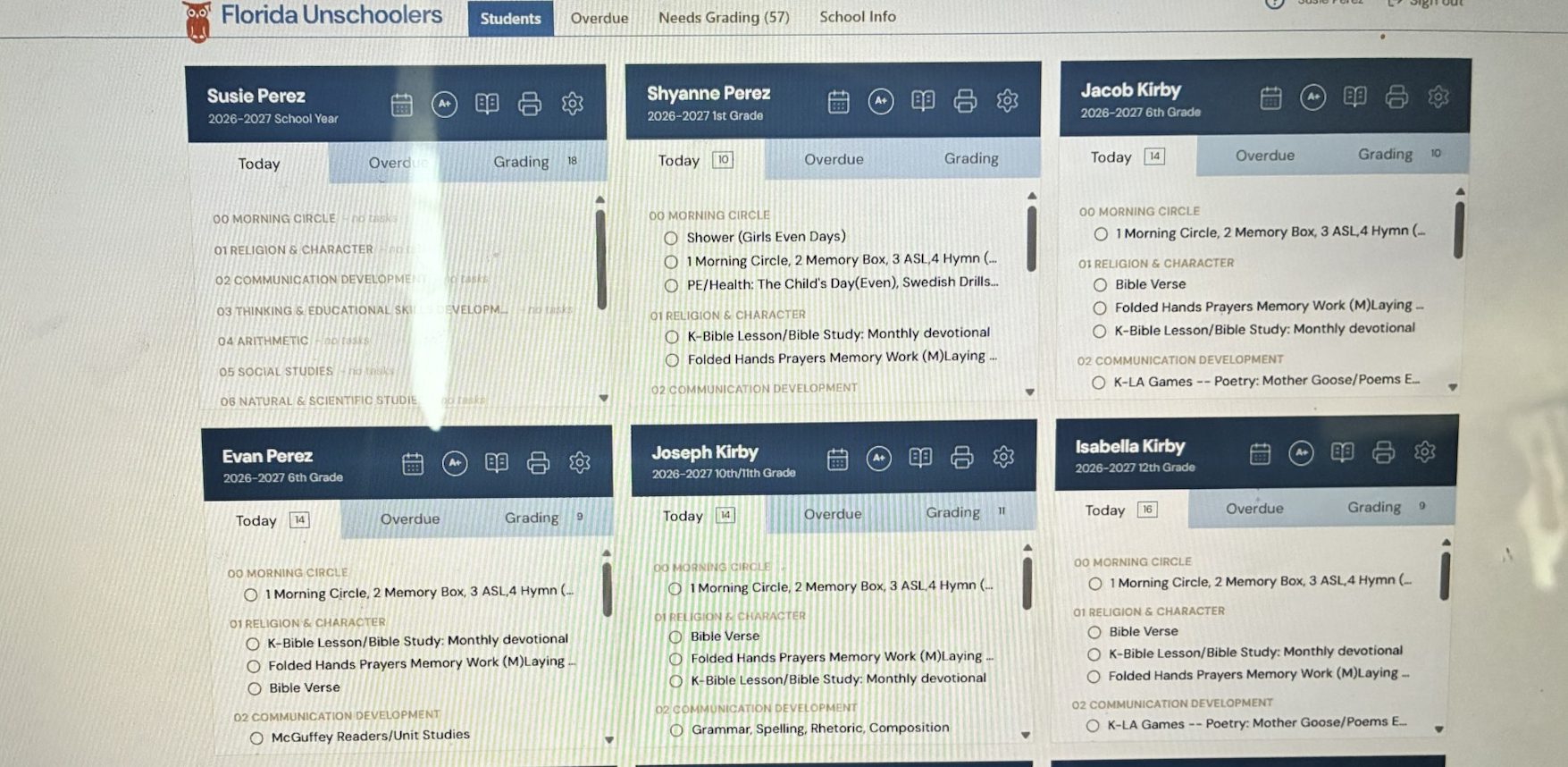
With five children homeschooling, I’ve learned that having a good system behind the scenes makes such a difference. One of the tools I use to keep everything organized is Homeschool Manager. I still keep my notebook too, but it may become a thing of the past with the new upgrades they have made to the program!
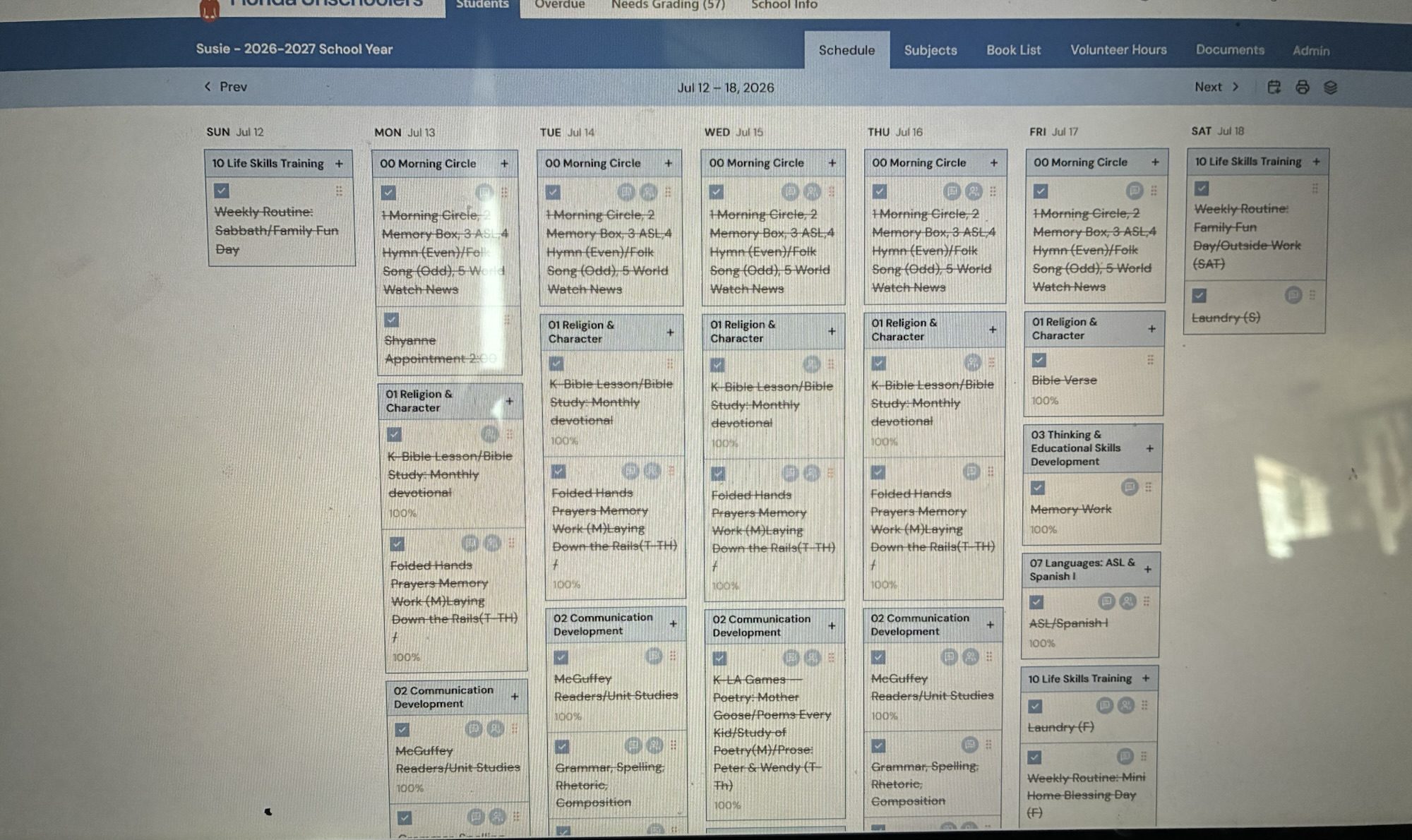
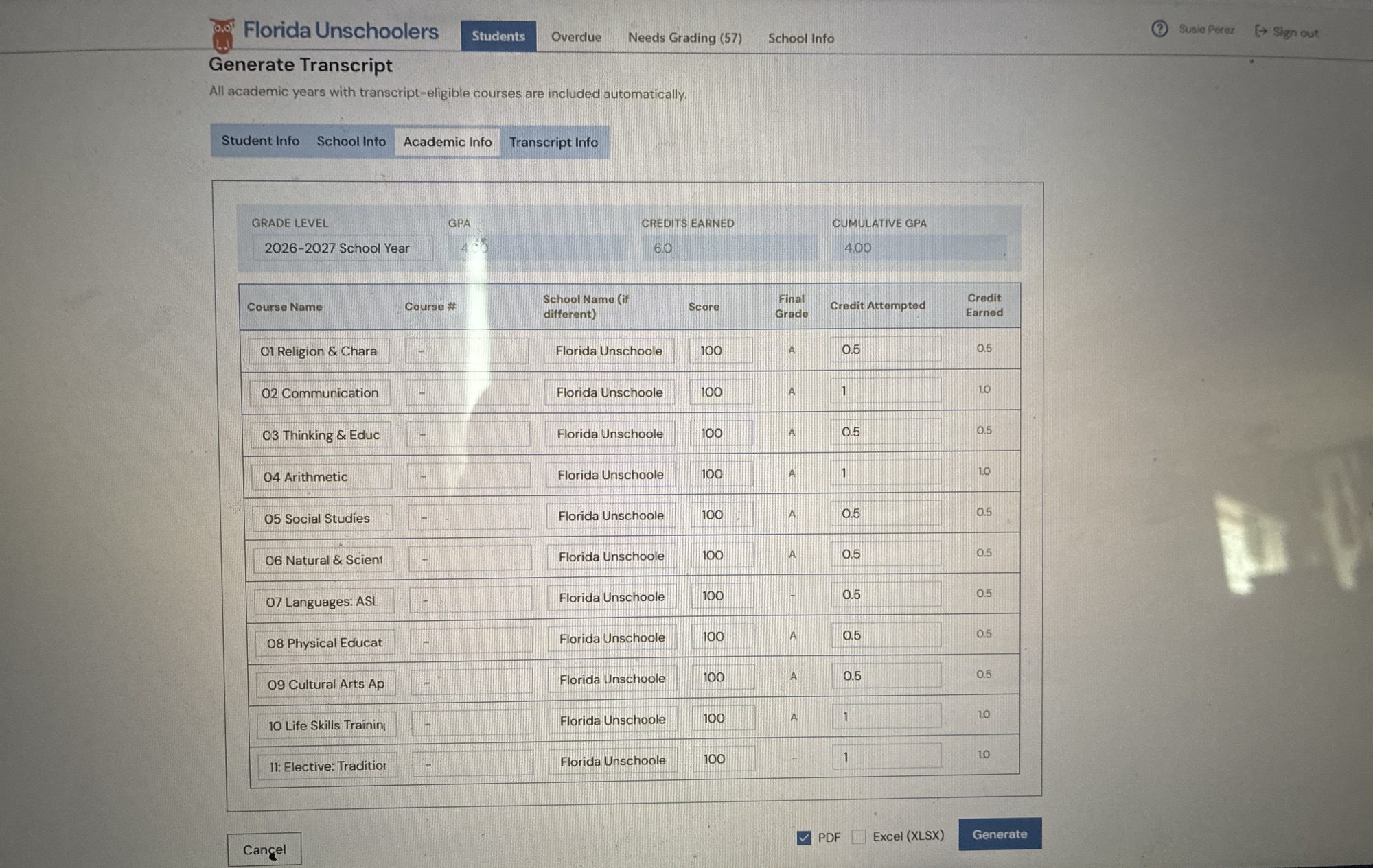
I can keep track of our lessons, grades, volunteer hours, book lists, and attendance all in one place instead of trying to piece everything together from notebooks, planners, and spreadsheets. And as my children get older, I especially appreciate being able to create report cards and transcripts from the records I’m already keeping. Your kiddos can even check off tasks independently, if that is something you want them to do!
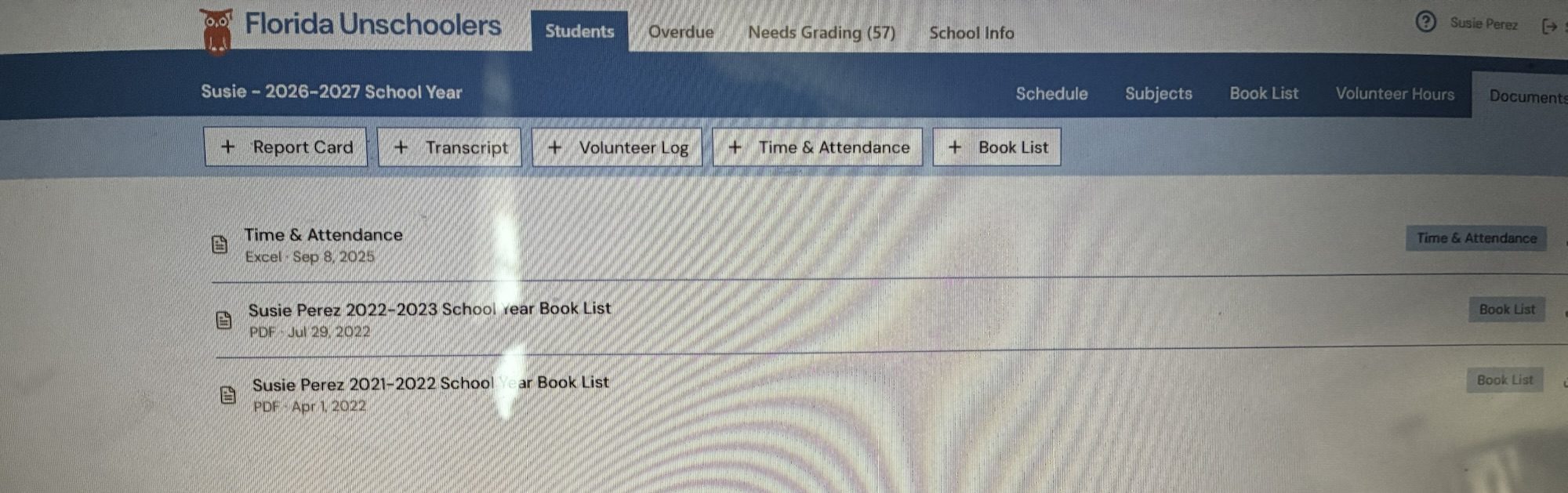
That means I’m not sitting down years later trying to remember what we did, when we did it, or what grade someone earned. I’m also not keeping piles of paperwork to collect dust. I also use the app to keep a note of upcoming appointments and events that we may need to adjust our schedule for… so nice to have everything in one spot!
Homeschool Manager has also recently made some upgrades, and I’ve really enjoyed how much more efficient and user-friendly it has become. When you’re managing several children at different ages and grade levels, anything that simplifies the administrative side of homeschooling gives you more time for what actually matters—teaching your children and enjoying the life you’re building together.
I love the freedom and flexibility of homeschooling, but I also want to know that I’m keeping good records along the way. Having one place where I can organize the practical side of our homeschool gives me a little more peace of mind and a lot less paper clutter.
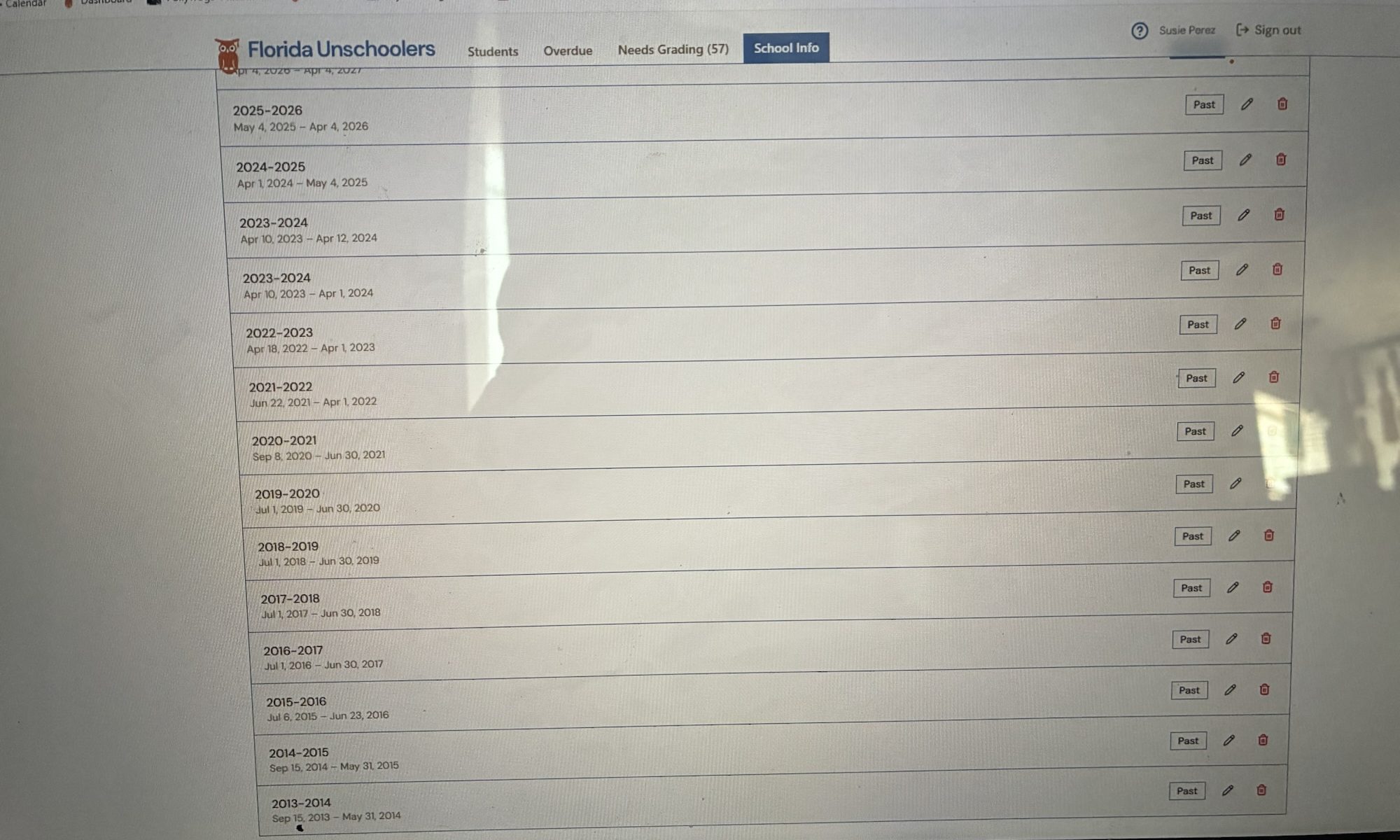
If you’re homeschooling multiple children—or you have a child approaching the high school years and you’re starting to think, “Wait…how am I going to make a transcript out of all of this?”—this may be a tool worth looking into.
Because our homeschool days may be full of books, projects, garden lessons, field trips, life skills, and plenty of beautiful chaos…but our records don’t have to be.
Homeschooling is about so much more than checking boxes—but having the boxes organized sure does help.
I pray that this helps someone else on their homeschool journey.
May GOD Bless You in All You Do!
#Homeschool #HomeschoolMom #HomeschoolLife #HomeschoolOrganization #HomeschoolPlanning #HomeschoolRecords #HomeschoolHighSchool #LargeFamilyHomeschool #HomeEducation #HomeschoolTips