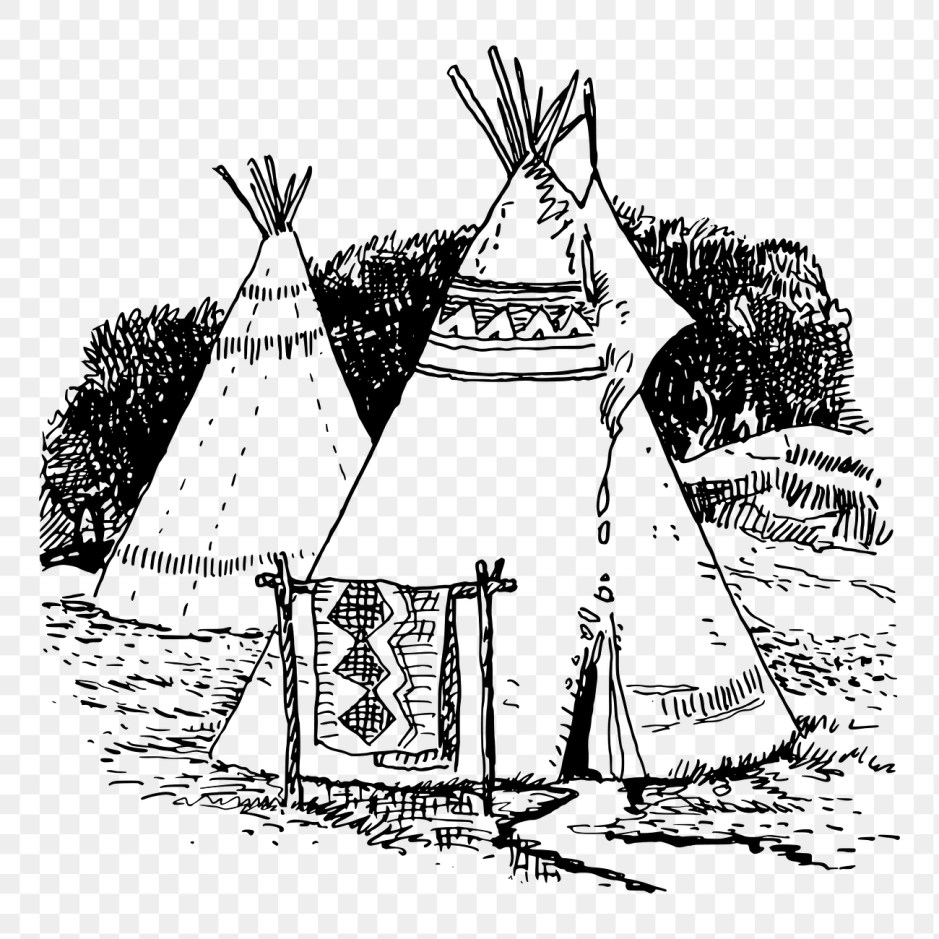
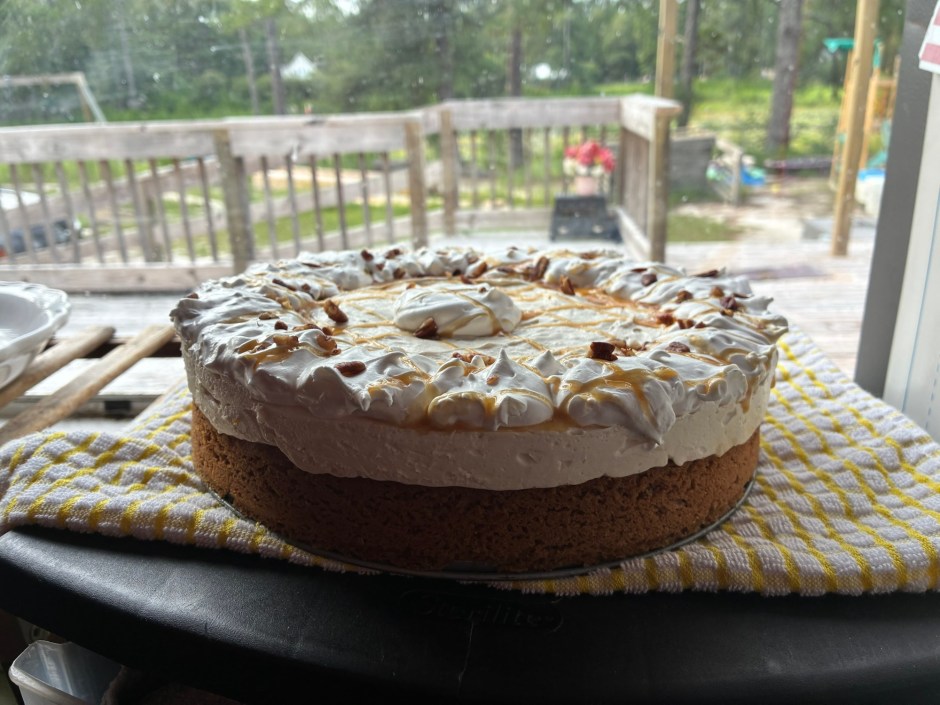
There are several days that include Native American or Indigenous People Days and I know my family can trace its roots back to certain tribes. It is important to remember the people who came before us, and all that they sacrificed for us. I have made a menu to try for these days:
This time of year seems to be a little busier for us, so I thought it might be helpful if I just got all my special meals and recipes gathered for the month. I checked the menu plan and have made a list of the holidays that we want to celebrate.
If you haven’t seen our Perpetual Meal Plans yet, then you really need to check them out, as they have all kinds of special and unique holidays listed. Now is the time to start making your bucket list for Fall things, if you haven’t already.
Pip: Welcome back to Pollywog’s Place, where the weekend itinerary includes battle reenactments, Pioneer Day festivals, and a lamb cake pan acquired off eBay — which is honestly a solid Saturday.
Mara: Susie at Pollywog’s Place Blog has been writing about what it feels like to step away from modern stress — through history, through simpler living, and through the question of whether a happier past is something you visit or something you carry. Let’s start with nostalgia and what it actually does for us.
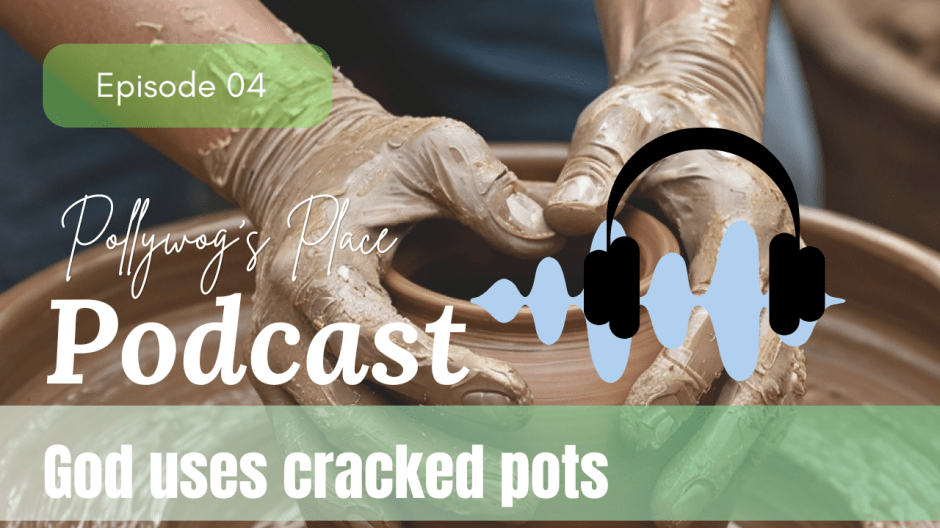
Pip: Welcome back to Pollywog’s Place Blog — where the cracks in the clay are apparently the whole point.
Mara: Susie at Pollywog’s Place Blog has been writing about something that cuts pretty close to home for a lot of people — what it means to feel broken, flawed, and still worthy of purpose. Let’s start with that question.
God uses cracked pots
Pip: The central tension here is one most people recognize immediately — the gap between who you think you should be and who you actually are, and whether that gap disqualifies you from anything that matters.
Mara: The post opens with a verse from Jeremiah 18:4 that frames everything that follows: “And the vessel that he made of clay was marred in the hand of the potter: so he made it again another vessel, as seemed good to the potter to make it.”
Pip: So the upshot is: being marred isn’t the end of the story. The potter doesn’t discard the clay — he works with it again. That reframe is doing a lot of heavy lifting.
Mara: The post names exactly what that marring looks like in practice — comparison, the “if onlys,” doubting your abilities. Things like wishing you had more money, were a better mom, looked different. The internal list most people carry quietly.
Pip: And then it pivots somewhere unexpected. It isn’t just that God tolerates your cracks — the argument is that the cracks are actually the mechanism. Light gets out through them.
Mara: That’s stated directly: “His light will shine out brighter and brighter with every crack. So in a sense, the more cracked and broken we become as we surrender our will to His will, then the more He will be able to use us for His glory.”
Pip: Which reframes shame entirely. The crack isn’t evidence of failure — it’s the opening.
Mara: The post also points to the parable of the cracked pot — a separate story linked in the piece — which illustrates the same idea through a water-bearer whose leaking pot waters wildflowers along the path without knowing it.
Pip: Useful without being aware of it. That’s a quietly generous image.
Mara: The closing call is practical: don’t hide the cracks, don’t be ashamed of the flaws, ask for help accepting them. The promise attached is that something more beautiful gets made in the process.
Pip: Broken clay, wildflowers, light through cracks — there’s a whole theology of imperfection sitting in this one.
Mara: And more from Pollywog’s Place to come. See you next time.