
Did you know that September 2nd has been set aside for National Coconut Day? I love coconut, and I really don’t need a special day for it, but I’ll take it.
Continue reading “Special Holiday Meals: Our Favorite Coconut Recipes”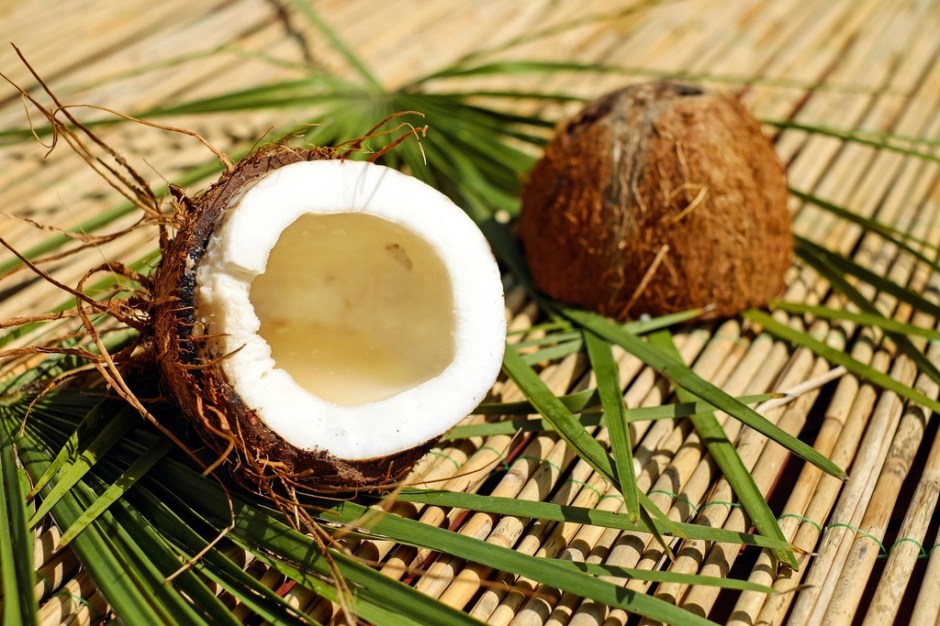
Did you know that September 2nd has been set aside for National Coconut Day? I love coconut, and I really don’t need a special day for it, but I’ll take it.
Continue reading “Special Holiday Meals: Our Favorite Coconut Recipes”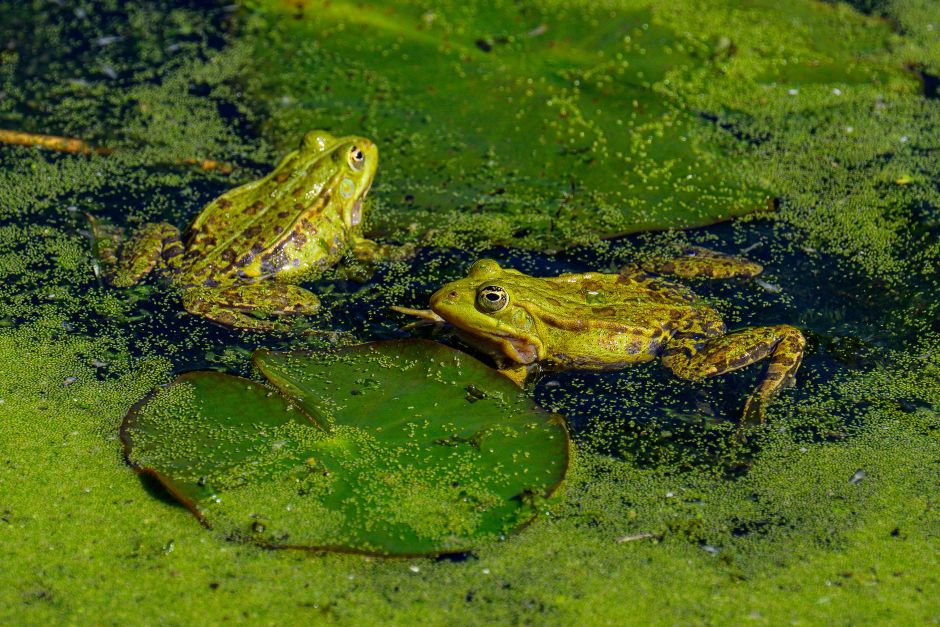
Pip: Welcome back to Pollywog’s Place, where the lessons are ancient, the stakes are surprisingly high, and the protagonists are occasionally amphibians.
Mara: Susie at Pollywog’s Place Blog has a piece up that uses a classic fable to dig into something genuinely consequential — the power words have over the people around us. Let’s start with the tale itself and what it’s actually asking us to do.
Pip: The setup here is a question about stakes — specifically, whether the words other people say to us can be the difference between making it out of a hole and not making it out at all.
Mara: The post frames it directly: “We need to see just how powerful our tongue and our words can be. If we speak an encouraging word to others it can possibly be the motivation that they need and help them to get through a difficult time.”
Pip: And the flip side is just as stark. The post doesn’t soften it — wrong words can send someone into a downward spiral. That’s not a metaphor being stretched; the fable literalizes it as a matter of survival.
Mara: The fable itself is the engine of the whole piece. Two frogs fall into a deep pit. The crowd tells them they’re as good as dead. One frog believes it and gives up. The other, who is deaf, assumes the crowd is cheering him on — and he jumps harder and gets out.
Pip: So the frog who survives does so precisely because he couldn’t hear the discouragement. Which is either a beautiful lesson or a fairly grim commentary on what the rest of us are subjected to.
Mara: The post draws that out carefully. It connects the fable to a broader idea about being intentional — making a conscious effort to use words that encourage rather than deflate, and asking for help staying quiet when you genuinely can’t manage that.
Pip: There’s something honest about that last part. Not “always say something kind,” but “if you can’t, maybe say nothing.”
Mara: Right — the post names tongue-control as genuinely difficult, almost impossible at times. It’s not presented as easy virtue, which gives the moral some weight.
Pip: The fable earns its place here because it makes the abstract concrete. Words as life-or-death isn’t hyperbole when you watch one frog die and one walk away.
Mara: The throughline is simple but not small — what we say shapes what people believe is possible for them.
Pip: Worth sitting with. More from Pollywog’s Place next time.
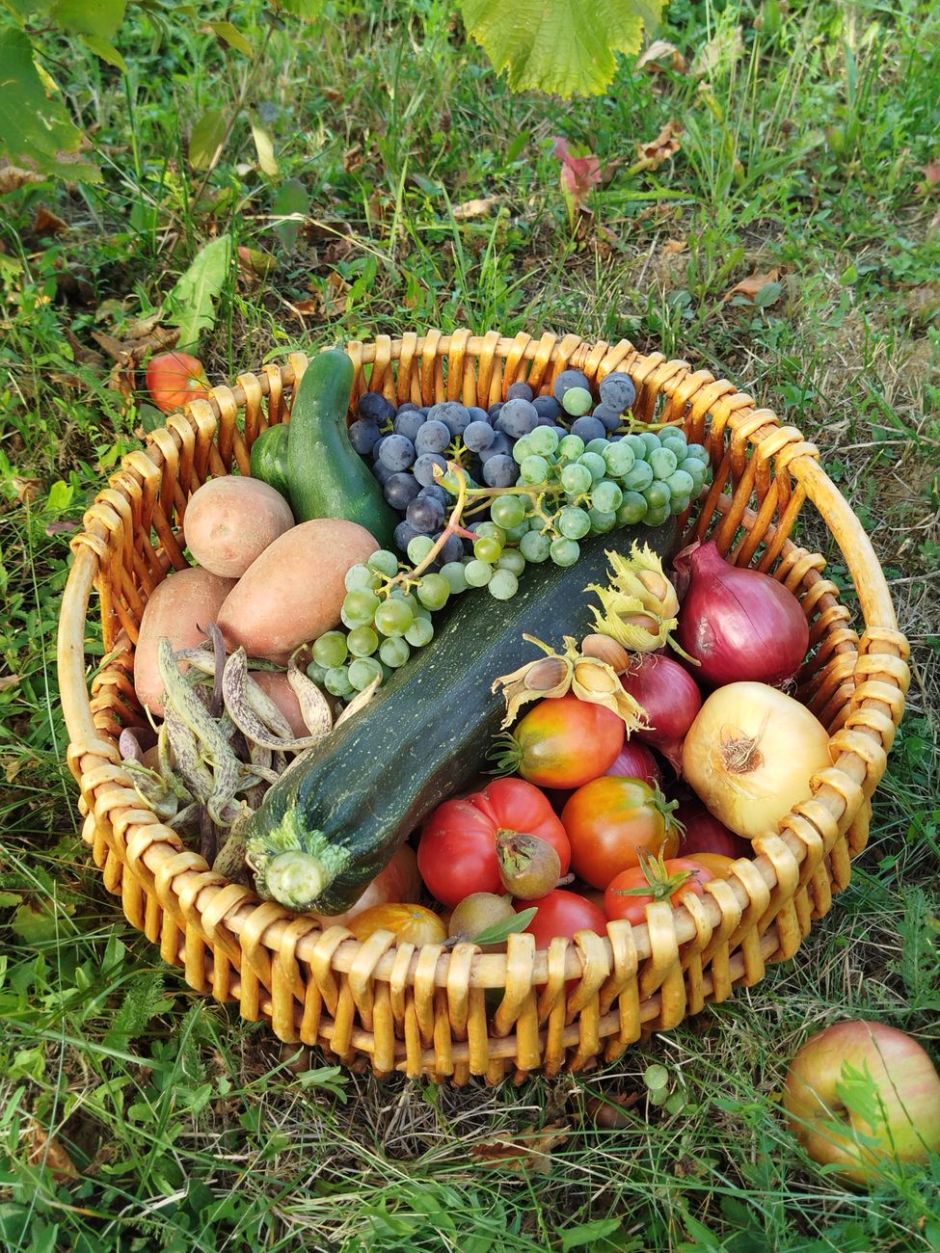
I am hoping to make a new devotional for each month this year… that’s a big challenge, but it is something that has been on my heart. For AUGUST, our monthly theme will be GOODNESS. We will be trying to find ways to show a little more GOODNESS through routines and habits.
Last month’s theme was SELF-CONTROL and let me tell you that LIFE sure has a way of putting our lessons to the test but GOD is GOOD and HE has seen us through some difficulties and HE can do the same for you!
Here is the FREE printable, if you’d like to join us:
Continue reading “Walking in the GOODNESS of GOD Devotional”
Pip: Welcome back to Pollywog’s Place, where the weekend itinerary includes battle reenactments, Pioneer Day festivals, and a lamb cake pan acquired off eBay — which is honestly a solid Saturday.
Mara: Susie at Pollywog’s Place Blog has been writing about what it feels like to step away from modern stress — through history, through simpler living, and through the question of whether a happier past is something you visit or something you carry. Let’s start with nostalgia and what it actually does for us.
Continue reading “Podcast Episode 09: Longing For Simpler Times”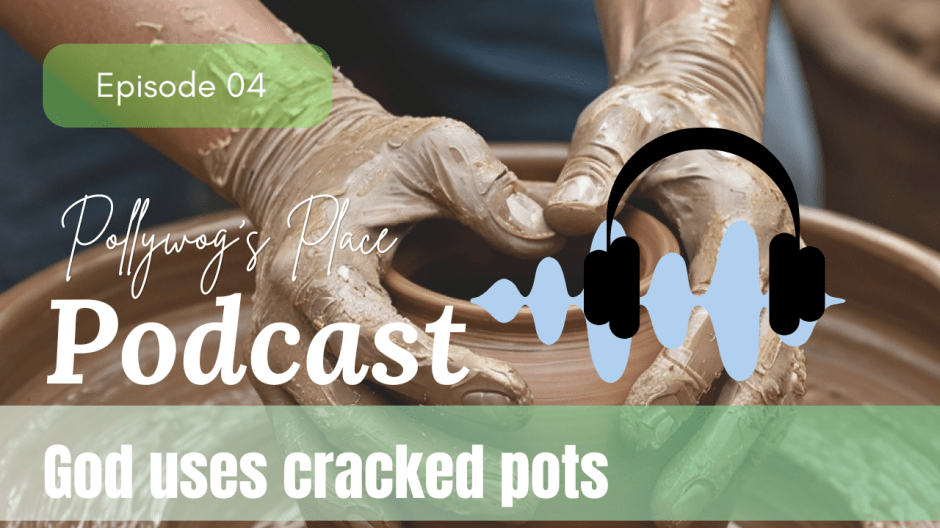
Pip: Welcome back to Pollywog’s Place Blog — where the cracks in the clay are apparently the whole point.
Mara: Susie at Pollywog’s Place Blog has been writing about something that cuts pretty close to home for a lot of people — what it means to feel broken, flawed, and still worthy of purpose. Let’s start with that question.
Pip: The central tension here is one most people recognize immediately — the gap between who you think you should be and who you actually are, and whether that gap disqualifies you from anything that matters.
Mara: The post opens with a verse from Jeremiah 18:4 that frames everything that follows: “And the vessel that he made of clay was marred in the hand of the potter: so he made it again another vessel, as seemed good to the potter to make it.”
Pip: So the upshot is: being marred isn’t the end of the story. The potter doesn’t discard the clay — he works with it again. That reframe is doing a lot of heavy lifting.
Mara: The post names exactly what that marring looks like in practice — comparison, the “if onlys,” doubting your abilities. Things like wishing you had more money, were a better mom, looked different. The internal list most people carry quietly.
Pip: And then it pivots somewhere unexpected. It isn’t just that God tolerates your cracks — the argument is that the cracks are actually the mechanism. Light gets out through them.
Mara: That’s stated directly: “His light will shine out brighter and brighter with every crack. So in a sense, the more cracked and broken we become as we surrender our will to His will, then the more He will be able to use us for His glory.”
Pip: Which reframes shame entirely. The crack isn’t evidence of failure — it’s the opening.
Mara: The post also points to the parable of the cracked pot — a separate story linked in the piece — which illustrates the same idea through a water-bearer whose leaking pot waters wildflowers along the path without knowing it.
Pip: Useful without being aware of it. That’s a quietly generous image.
Mara: The closing call is practical: don’t hide the cracks, don’t be ashamed of the flaws, ask for help accepting them. The promise attached is that something more beautiful gets made in the process.
Pip: Broken clay, wildflowers, light through cracks — there’s a whole theology of imperfection sitting in this one.
Mara: And more from Pollywog’s Place to come. See you next time.
You can read the post HERE:
 Pollywog's Place Blog