Little House On The Prairie Adventure Week 7 Lesson Plans

**Although I try to provide as many FREE resources as possible this post may contain affiliate links alt no extra cost to you. We may earn a small commission, if a purchase is made through these links, which helps to support our blog and our family. Thank you!

Mornings:

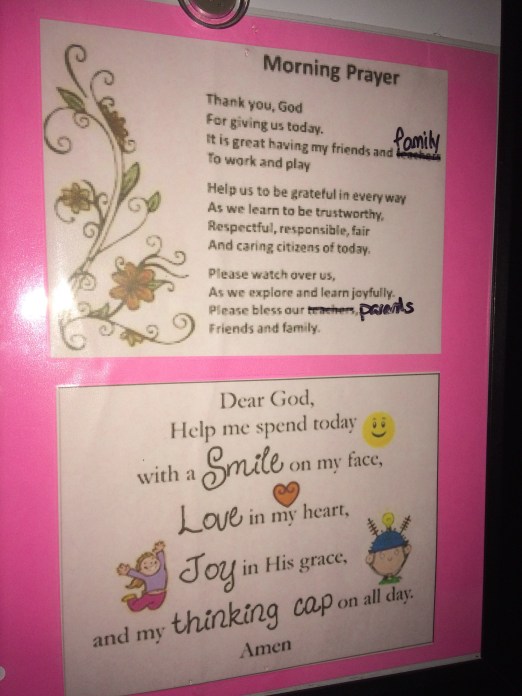
We Start every morning off with our prayers and the Pledge of Allegiance. Below is a picture of the prayers that we say and a video of the Pledge of Allegiance.
a4f356a8-2a6f-4280-abd7-33bce0719b96-4019-000000c2c1f8254c_file

Not the prettiest example but that’s what we’ve been using for the past few years.

Don’t have a flag? Grab one HEREand print it out to put up somewhere… you could even let the kids make a flag to proudly display. Amazon also has some little ones like this one HERE and HERE.

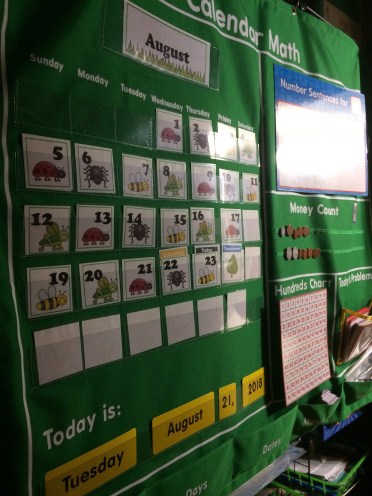
After this we have our calendar time also where we go over such things as the Days of the Week, the months, and some basic math.
d3cbca65-c096-4094-b421-827b79058cc5-4019-000000c2ec08e8e6_file

This one came from Lakeshore Learning.

We also like to use this song during our ‘Morning Time’ to help the kids learn the 50 States. 


Tip: If you want to go to a certain week/chapter or topic simply push the ‘ctrl’ and the ‘F’ button down together and a small bar will pop up. Type in the week number or chapter number you want and it will take you to it.


Week 7: Chapters 19, 20 & 21 (Mr. Edwards Meets Santa Claus, A Scream in the Night, Indian Jamboree )

Here is our lesson plan for the week:


Language Arts

Reading:

Read Chapters 19, 20 & 21

Discussion Questions:

Chapter Nineteen:

  • What holiday was coming up?
  • What did Pa bring Christmas dinner?
  • Why did the girls think Santa couldn’t come?
  • Who did Mr. Edwards say he had saw? What had he sent for the girls?
  • What did the girls find in their stockings?

Chapter Twenty:

  • What games did the girls play with Baby Carrie?
  • What did they hear? Who did Pa think it was?
  • What was really screaming?
  • Who killed the panther?

Chapter Twenty-One:

  • How long was Pa gone?
  • What did Pa trade the furs for?
  • Why did Pa give Mary her package first? What had he brought for them?
  • How did the Indians feel about the settlers?

Additional Reading:

Each child would complete a reading lesson from our McGuffey Primer Books or other reading materials that we chose for the day.

Younger kids will also be doing one lesson a day from Teach Your Child to Read in 100 Easy Lessons.

Vocabulary/Spelling:

Older Kids:

Parents click HERE for the answer key.**see instructions at the top of the page.

Younger Kids:

Handwriting:

Using  Spencerian Penmanship go over the instructions on p. 11-13

Writing:**

  • Describe a favorite holiday meal that you had with your family.
  • Continue working in your workbook.

Other Activity:

Group:

Older kids:

Younger kids:


Math

Week 7: Chapters 19, 20 & 21

You can work on a lesson in your Ray’s Arithmetic Books or other math workbook. (The lessons below reflect what we worked on.)

Group:

Rotate through these activities:

Older Kids:

Younger Kids:


Geography and History

Week 7: Chapters 19, 20 & 21

1. State Study

  • This week we will study Nebraska.
  • Complete your notebooking pages.
  • Older kids can write a report about the state.

2. Continue to Research Native American Indian Tribes

  • Do some independent research.
  • Be sure to take notes for your report.
  • Watch this video about some interesting facts:

3. Take a tour of a Prairie homestead


Science

Week 7: Chapters 19, 20 & 21

1. Continue to Research Prairie Animals.

  • Discuss what you learned.

Listen to these sounds:

  • How would that make you feel?

2. Continue learning about simple machines.

We will be using Explore Simple Machines!: With 25 Great Projects for this study.

What are wedges? Not the shoes.

  • Read pages 57-62 of your book.
  • Write down these words and their definitions:
    • ravine
    • caravan
  • Can you name four uses of wedges? p.59 Write them down.
  • Do one of the activities on pages 63-67.

Watch this video for more information:

  • Discuss what you learned.

3. Get to know your galaxy.

  • Discuss what you learned.

Extra:


Life Skills

Week 7: Chapters 19, 20 & 21

1. Just like the settlers the Indians also had routines for their lives.

  • Name some of the things they may have had routines for.
  • Some routines are flexible while others need to be completed in a step by step order.
  • Watch this video on how they tanned the hides:
  • Discuss what you learned.
  • Name three things they may have used the hides for.
  • Write out a Sequencing Worksheet for the tanning routine.
  • What would happen if someone did the steps out of order or forgot a step?

2. Ways to help around the house like Laura

Dusting is a necessary chore as dust can build up quickly around the house. I always loved it when my Mom-mom let me help dust. I was always so very careful with all of the knick knacks she had because I didn’t want to break anything.

Below we will also learn about wiping up smudges which can be done at the same time as dusting.

How to dust:

  • Gather your supplies:
    • Duster, mitt, cloth, or other tool
    • Dusting spray
  • Spray the dusting tool with spray.
    • Be careful not to spray yourself or someone else
  • Dust each item carefully but thoroughly.
  • Items you can dust:
    • coffee table
    • end tables
    • lamps
    • booshelf
    • TV
    • Window sills
    • pictures
    • other items as directed by your parents.
  • Check the room to see if you missed anything.
  • Put away your supplies.

Smudges happen a lot in our home. It seems like no sooner do we clean them up then I see even more here and there. We go through the house about once a week, after we dust, and wipe down the furniture, light switches, and door knobs. This helps to keep everything looking nice and clean.

How to wipe smudges

  • Gather the items needed:
  • Spray a small amount of cleaner on your rag.
  • Gently but thoroughly clean items with smudges:
    • telephones
    • TVs
    • remotes
    • light switches
    • knick knacks
    • doorknobs
    • handles
    • mirrors
    • other shiny surfaces
  • Check to see if you missed any spots.
  • Move from one item to the next.
  • Put away the supplies when you are finished.

3. Character

We will be focusing on OBEDIENCE this unit. If you don’t have the book we used you can go HERE and download a lesson plan guide to use in your home.

Memorize: Children, obey your parents in everything, for this pleases the Lord. – Colossians 3:20

We will be studying obedience during this unit. What is obedience?

  • Review what we have learned.
  • Have there been times over the past week when it was hard to obey but Jesus helped you?
  • Have you been remembering to pray?

Watch this video about someone who disobeyed God:

  • What did Samuel tell Saul that God wanted him to do?
  • Did Saul obey?
  • Did his disobedience make God happy?
  • Did Saul repent?
  • What happened to Saul because he disobeyed?
  • God wants us to obey Him. He also wants children to obey their parents.
  • Pray for God’s help to obey.

4.Manners

Continue to practice your good manners everywhere you go.

Print out a list of Important Manners HERE. Post it somewhere you can see everyday.


5. Memory Verse

We will be memorizing Psalm 8 during this unit study. Print it HERE.

  • Work on memorizing a verse during the week for a special prize.
    • Verse 7: All sheep and oxen, yea, and the beasts of the field;
  • Older kids can copy the memory verse down in their notebook.

6. Fun Activities

  • Help plan a holiday meal and make a grocery list to go with it.
  • Show someone how you are good neighbor by doing something nice for them.
  • We read the word ‘bootjack’ in this section. Do you know what a bootjack is?

7. Bonus Skills — Choose one or two to work on

Practice these until you finish this unit study and then we will move on to another new skill.

Kids Cook Real Food 

  • Work on: Bonus Lesson: Potato Salad

  • Help to prepare a meal using your new skills.

Skill Trek:

  • Work on at least one task a week.
  • Practice your new skill this week.

Memorize the books of the Bible:

  • Try it now without the teaching:

Learn about camping.

  • Learn how to build a campfire and give it a try, with your parent’s permission.
  • You will need to gather your own tinder.
  • Build and light your fire with supervision. NEVER light a fire without an adult present!
  • Extra Points for building two or more different types of fires.

Here’s a video to get you started:

Learn about Herbs.

Mullein: The Ear and Lung Herb

  • Discuss what you learned.
  • Be sure to jot down some notes.
  • Research some herbs that the Indians may have used in their cooking.

PE, Health & Safety

Week 7: Chapters 19, 20 & 21

1. Wild Animal Safety

When they heard the scream at night Pa thought it may have been a neighbor needing help. He soon realized it was a panther and came back home quickly.

  • Wild animals can be dangerous. Do you know what to do to stay safe if you encounter a wild animal?
  • Discuss what you have learned.
  • What kinds of wild animals could you encounter where you live?
  • How will you keep yourself safe?

2. Games/Outdoor Play

Laura and Mary played games with each other and Baby Carrie. Try any of the games listed below or choose your favorite game to play. These would be really good games for when you are stuck inside the house.

You can find more games and activities in this book:
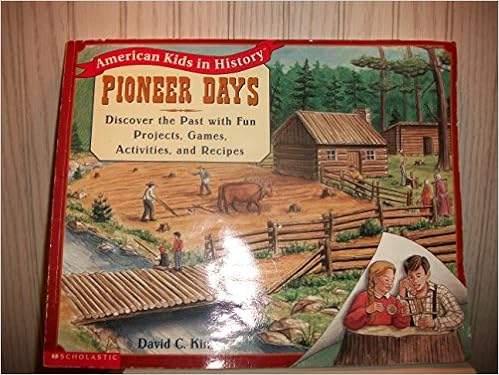
Pioneer days: Discover the past with fun projects, games, activities, and recipes (American kids in history)


Music, Arts & Crafts

You can find more Native American crafts and activities HERE , HERE, HERE and a FREE printable coloring book HERE.

Week 7: Chapters 19, 20 & 21

Crafts:

1. Make musical instruments:


2. Christmas

Art:

  1. Santa Claus coloring page
  2. Christmas coloring page

Music:

Some more Plains Indian Music:


**BE SURE TO SAVE A FEW SAMPLES OF YOUR WORK FOR YOUR  PORTFOLIO!  TAKE PICTURES OF BIG PROJECTS!

Little House On The Prairie Adventure Week 6 Lesson Plans

**Although I try to provide as many FREE resources as possible this post may contain affiliate links alt no extra cost to you. We may earn a small commission, if a purchase is made through these links, which helps to support our blog and our family. Thank you!

Mornings:

We Start every morning off with our prayers and the Pledge of Allegiance. Below is a picture of the prayers that we say and a video of the Pledge of Allegiance.

a4f356a8-2a6f-4280-abd7-33bce0719b96-4019-000000c2c1f8254c_file

Not the prettiest example but that’s what we’ve been using for the past few years.

Don’t have a flag? Grab one HEREand print it out to put up somewhere… you could even let the kids make a flag to proudly display. Amazon also has some little ones like this one HERE and HERE.

After this we have our calendar time also where we go over such things as the Days of the Week, the months, and some basic math.

d3cbca65-c096-4094-b421-827b79058cc5-4019-000000c2ec08e8e6_file

This one came from Lakeshore Learning.

We also like to use this song during our ‘Morning Time’ to help the kids learn the 50 States. 


Tip: If you want to go to a certain week/chapter or topic simply push the ‘ctrl’ and the ‘F’ button down together and a small bar will pop up. Type in the week number or chapter number you want and it will take you to it.


Week 6: Chapters 16, 17& 18 (Fire in the Chimney, Pa Goes To Town, The Tall Indian)

Here is our lesson plan for the week:


Language Arts

Reading:

Read Chapters 16, 17 & 18

Discussion Questions:

Chapter Sixteen:

  • What preparations were they making for the winter?
  • What bad thing happened? What did Ma do?
  • Why did Ma say that Laura was brave?
  • What did Pa bring home? What did he say they could make from the feathers?
  • Why did they need to go to town?

Chapter Seventeen:

  • Where did Pa go?
  • Why did Mr. Edwards come to the house? What did Jack do?
  • Who came to visit Ma the next day? What did she say about their house?
  • What did Ma make for Pa to warm him up?
  • What special thing did Pa bring back from town that made Ma so happy?

Chapter Eighteen:

  • What did they see more and more of?
  • What ran in front of the house?
  • What did the Indian try to take from the house?
  • What did Pa say the government made the Indians do?

Additional Reading:

Each child would complete a reading lesson from our McGuffey Primer Books or other reading materials that we chose for the day.

Younger kids will also be doing one lesson a day from Teach Your Child to Read in 100 Easy Lessons.

Vocabulary/Spelling:

Older Kids:

Parents click HERE for the answer key.**see instructions at the top of the page.

Younger Kids:

Handwriting:

Using  Spencerian Penmanship go over the instructions on p. 10

Writing:**

  • Start planning a holiday menu. Include beverages, sides, main dishes, breads, and desserts. Click HERE for worksheets.
  • Design a nice invitation for the meal and send them to people, with your parent’s permission. Click HERE for worksheets.
  • Continue working in your workbook.

Other Activity:

Group:

Older kids:

Younger kids:


Math

Week 6: Chapters 16, 17 & 18

You can work on a lesson in your Ray’s Arithmetic Books or other math workbook. (The lessons below reflect what we worked on.)

Group:

Rotate through these activities:

Older Kids:


Younger Kids:


Geography and History

Week 6: Chapters 16, 17 & 18

1. State Study

  • This week we will study Oregon.
  • Complete your notebooking pages.
  • Older kids can write a report about the state.

2. Continue to Research Native American Indian Tribes

  • Learn about tools that the Indians used.
  • Learn about Buffalo hunts and how the Indians used the buffalo.


  • Discuss what you have learned.
  • Click HERE to learn about more crafts and tools.
  • Check out this link HERE for a picture showing how each part of the buffalo was used.
  • Complete this Lapbook part HERE.

3. Learn about the Minnesota Massacre

  • Discuss what you learned.

Extra:


Science

Week 6: Chapters 16, 17 & 18

1. Watch this fun video:

  • Discuss what you learned.

2.Why do leaves change color?

  • Watch a video and older kids can do some independent research.
  • Discuss what you learned.

3.Why do birds migrate?

  • Watch a video and older kids can do some independent research.
  • Discuss what you learned.

4. Continue learning about simple machines.

  • We will be using Explore Simple Machines!: With 25 Great Projects for this study.What are inclined planes?
    • Read pages 26-29 of your book.
    • Write down these words and their definitions:
      • lock
      • skeleton
      • switchback
      • ascent
      • descent
    • What are some different ways that inclined planes are used?
    • Do one of the activities on pages 30-33.

    Watch this video for more information:

5. Meet the five dwarfs.

  • Discuss what you learned.

Life Skills

Week 6: Chapters 16, 17 & 18

1. Following Pa’s Example

In this section the family is talking about Thanksgiving and Christmas. Pa went out hunting and found some turkeys. He knew where they would be when the holidays came up so he was thinking ahead and preparing for the holidays in advance.

These events could also benefit from a yearly routine. In our home we keep a Holiday & Party Binder. This helps us prepare for holiday events and party events that we may have coming up.

Every time we host a party we jot down notes and follow the routine we have written down. There are notes telling us how far in advance we need to order things to make sure we get the items we need. This helps to keep everything going smoothly and easily. It also helps us to enjoy the party when the day comes and to spend time with our family and friends while making great memories.

Does your family have a routine for handling holidays?

  • Make a list of things that you normally do for Thanksgiving or Christmas.
  • Jot down some things that you would like to do but never have time for.
  • Work with a parent to decide when and what you need to work on to get prepared for the big day.
  • Think about things that may need done around the house before the holiday as well like:
    • cleaning
    • decorating
    • yard work

Flylady has a Cruising Through The Holidays section that can help if you need ideas.

2. Ways to help around the house like Laura

Sometimes you may not have a mop or the floor may just need a good cleaning that can only be done by hand scrubbing. This would be using what we might hear as ‘elbow grease’.

How to hand scrub a floor:

  • Sweep the floor well before hand scrubbing.
  • Move anything that can be moved to make the job easier.
  • Gather your supplies:
    • bucket
    • hot water
    • cleaner
    • scrub sponge or scrub brush
    • gloves, optional
    • old towels
  • Measure the cleaner into the bucket.
  • Add hot water until half full.
  • Start in one corner and begin scrubbing in a circular motion, working your way around the room going towards the door.
  • Rinse out your scrubber as needed.
  • You may want to use an old towel to wipe up extra water.
  • Check the floor for any missed spots.
  • Empty the bucket.
  • Rinse the bucket and scrubbers.
  • Put away your supplies.
  • When the floor is dry you can put back any items you moved before you started.

3. Character

We will be focusing on OBEDIENCE this unit. If you don’t have the book we used you can go HERE and download a lesson plan guide to use in your home.

Memorize: Children, obey your parents in everything, for this pleases the Lord. – Colossians 3:20

We will be studying obedience during this unit. What is obedience?

Watch this video to learn about Philippians 2:5-11.

  • What do you think this scripture means?
  • If Jesus humbled himself we should too. verse 7
  • Verse 8 says he humbled himself and became obedient. It is humbling to be obedient but Jesus wants us to be humble.
  • Do you know what the opposite of humble is? Pride
  • How was Jesus rewarded for his obedience? He was exalted and honored.
  • Ask God to help you be obedient and humble like Jesus was.

4. Manners

-Finish reading Emily’s Everyday Manners and discuss the manners shown in the pictures.

  • There are different manners for different places.
  • What you say can make others feel good.
  • Always be:
    • Respectful
    • Considerate
    • Honest
    • Courteous

5. Memory Verse

We will be memorizing Psalm 8 during this unit study. Print it HERE.

  • Work on memorizing a verse during the week for a special prize.
    • Verse 6: Thou madest him to have dominion over the works of thy hands; thou hast put all things under his feet:
  • Older kids can copy the memory verse down in their notebook.

6. Fun Activities

7. Bonus Skills — Choose one or two to work on

Practice these until you finish this unit study and then we will move on to another new skill.

Kids Cook Real Food 

  • Work on: Class 8 – Rolls, Browning Beef, Cheese Sauce/Steaming (Beginner)

  • Help to prepare a meal using your new skills.

Skill Trek:

  • Work on at least one task a week.
  • Practice your new skill this week.

Memorize the books of the Bible:

  • Try it now without the teaching:

Learn about camping.

  • There are different types of fires. Learn a little about each of these and write what you learned in your notebook.
    • Log Cabin Fire
    • Teepee Fire
    • Upside Down Fire
    • Lean To Fire
    • Star Fire
  • Here is another type of fire:

Learn about Herbs.

Fennel: The Food-Herb that heals

Here’s a video about Fennel Seeds:

  • Discuss what you learned.
  • Be sure to jot down some notes.
  • Research some herbs that you might use when cooking a holiday meal.

PE, Health & Safety

Week 6: Chapters 16, 17 & 18

1. Fire Safety

  • Ma and Laura acted quickly when there was a fire. Would you know what to do if there was a fire in your home?
  • Watch this fire safety video:
  • Discuss what you learned.
  • Come up with a fire safety plan and practice it.

2. Burn Treatment

  • After the fire was out Ma checked Laura for burns but she wasn’t hurt. This was a good thing.
  • We have learned about fire safety but sometimes we might find that we have accidentally gotten burned. Let’s learn about how to treat a burn:
  • Discuss what you have learned.

3. Games/Outdoor Play

Pa told them about the geese and turkeys he saw while out hunting and brought back some ducks for dinner. Have you ever watched the birds flying south for winter? If not, maybe you can keep an eye out for them in the Fall.


Music, Arts & Crafts

You can find more Native American crafts and activities HERE , HERE, HERE and a FREE printable coloring book HERE.

Week 6: Chapters 16, 17 & 18

Crafts:

  1. Turkey Crafts for Kids – Wonderful Art and Craft Ideas for Fall and Thanksgiving
  2. 15 TERRIFIC TURKEY CRAFTS FOR KIDS
  3. Turkey Leaf Lanterns Mason Jar Thanksgiving Craft


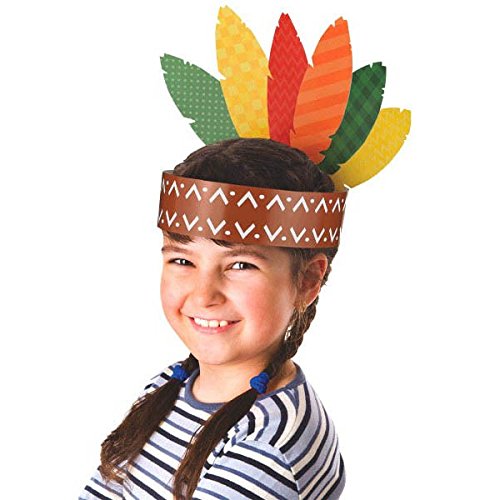
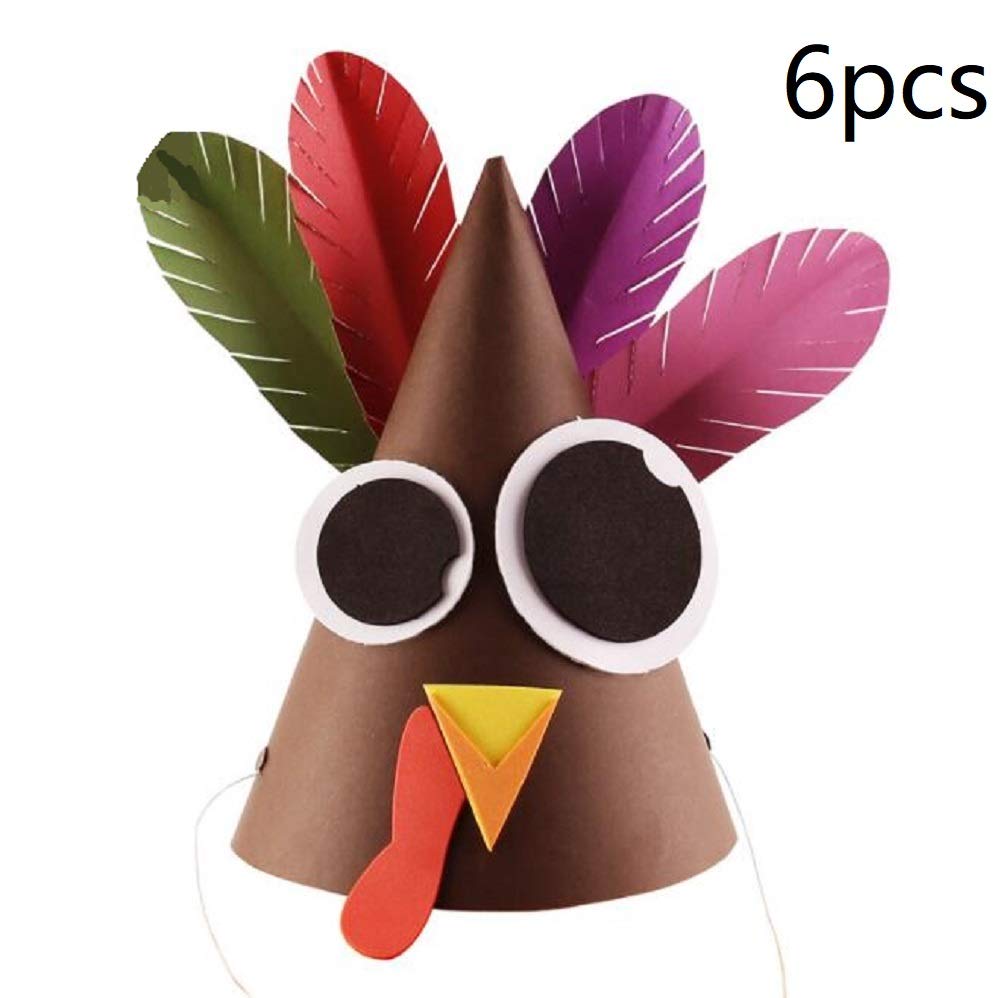
DIY Paper Turkey Headdress Turkey Hat Crafts

Art:

  1. Make a Turkey from things found in nature: Nature Made Wild Turkey
  2. Turkey Coloring Page

Music:


Novum Crafts Feather Headdress


**BE SURE TO SAVE A FEW SAMPLES OF YOUR WORK FOR YOUR  PORTFOLIO!  TAKE PICTURES OF BIG PROJECTS!

Little House On The Prairie Adventure Week 3 Lesson Plans

**Although I try to provide as many FREE resources as possible this post may contain affiliate links alt no extra cost to you. We may earn a small commission, if a purchase is made through these links, which helps to support our blog and our family. Thank you!

Mornings:

We Start every morning off with our prayers and the Pledge of Allegiance. Below is a picture of the prayers that we say and a video of the Pledge of Allegiance.

a4f356a8-2a6f-4280-abd7-33bce0719b96-4019-000000c2c1f8254c_file

Not the prettiest example but that’s what we’ve been using for the past few years.


Don’t have a flag? Grab one HEREand print it out to put up somewhere… you could even let the kids make a flag to proudly display. Amazon also has some little ones like this one HERE and HERE.

After this we have our calendar time also where we go over such things as the Days of the Week, the months, and some basic math.

d3cbca65-c096-4094-b421-827b79058cc5-4019-000000c2ec08e8e6_file

This one came from Lakeshore Learning.

We also like to use this song during our ‘Morning Time’ to help the kids learn the 50 States. 


Tip: If you want to go to a certain week/chapter or topic simply push the ‘ctrl’ and the ‘F’ button down together and a small bar will pop up. Type in the week number or chapter number you want and it will take you to it.


Week 3: Chapters 7, 8 & 9 (The Wolf-Pack, Two Stout Doors, A Fire In The Hearth)

Here is our lesson plan for the week:


Language Arts

Reading:

Read Chapters 7, 8 & 9

Discussion Questions:

Chapter Seven:

  • How long did it take Pa and Mr. Edwards to build the stable?
  • What wonderful thing did they find in the morning?
  • Why did Pa come back home in a hurry?
  • How did Pa get away from the wolves?
  • What scary thing happened that night?

Chapter Eight:

  • What did they see outside the next morning?
  • What did Pa plan to make for the house? Why?
  • What did he need? Did he let it stop him or did he find a way to get the job finished?
  • What was Pa’s next project for the house?

Chapter Nine:

  • What did Pa need to get for the fireplace?
  • Describe the process that Pa used to build the fireplace.
  • What did Ma put on the mantel?
  • What did Pa warn Ma about?

Additional Reading:

Each child would complete a reading lesson from our McGuffey Primer Books or other reading materials that we chose for the day.

Younger kids will also be doing one lesson a day from Teach Your Child to Read in 100 Easy Lessons.

Vocabulary/Spelling:

Older Kids:

Parents click HERE for the answer key.**see instructions at the top of the page.

Younger Kids:

Handwriting:

Using  Spencerian Penmanship go over the instructions on p. 6

Writing:**

  • Complete this worksheet HERE and use some of your vocabulary words for the bottom part.
  • Practice brainstorming for upcoming reports with this worksheet HERE.

*Remember to use the thesaurus to come up with different words.

Other Activities:

Group:

Older kids:

Younger kids:


Math

You can work on a lesson in your Ray’s Arithmetic Books or other math workbook. (The lessons below reflect what we worked on.)

Group:

Rotate through these activities:

Older Kids:

Younger Kids:


Geography and History

1. State Study

  • This week we will study Rhode Island.
  • Complete your notebooking pages.
  • Older kids can write a report about the state.

2. Research the Osage Indians

  • Watch this video:
  • Discuss what you learned.
  • Write down 5 interesting facts.

Here is a video about some of the most famous Native Americans:

3. Continue to research Native American Indian Tribes

  • Do some independent research.
  • Here is an interesting video to watch also:
  • Take notes about what you learned.

Extra:


Science

1. What are mules?

  • Learn about mules and how they are different from horses.
  • Mules are hybrids. Learn more about this here:
  • Discuss what you learned.
  • Name four ways that mules are different from horses.
  • Name two more hybrid animals.

2. Continue to study Prairie Animals.

  • Older kids can also work on a report. The report needs to include behavior, habitat, and diet.


  • Discuss what you learned.
  • Name one interesting fact about wolves that you didn’t know before.

Listen to these sounds:

  • How would these sounds make you feel?

3. Why do animals eyes glow in the dark?

  • Find out why animals eyes glow in the dark.
  • Discuss what you have learned.

4. Continue learning about simple machines.

We will be using Explore Simple Machines!: With 25 Great Projects for this study.

What are screws?

  • Read pages 46-52 of your book.
  • Write down these words and their definitions:
    • thread
    • pitch
    • design
    • bolt
    • worm gear
    • spur gear
    • drill bit
  • What are some different ways that screws are used? How could these have helped Pa?
  • Do one of the activities on pages 53-56.

Watch this video for more information:

  • Discuss what you learned.
  • Play Simple Machines Game
  • Check out this video to see how this talented used screws to create pictures:

5. Research plants on the prairie.

We have been looking at prairie animals but what about the plants?

  • Discuss what you have learned.

6. Constellations

  • Discuss what you have learned.
  • Check out these neat constellation cards on this page HERE. Look for ‘constellations.pdf’ under History and Geography.
  • Or try this really neat craft HERE (I might try this with small flashlights.) or HERE.

Life Skills

1. Following Ma’s Example

House Cleaning Routine

Ma kept a neat and tidy home. They may not have had the nicest home, and we know from the story that they had dirt floors for a while, but it was always ‘pleasant’. Do you think that Ma had a cleaning routine? Do you remember her routine from the previous book we read?

Wash on Monday,
Iron on Tuesday,
Mend on Wednesday,
Churn on Thursday,
Clean on Friday,
Bake on Saturday,
Rest on Sunday

This is an example of a routine. Do you have a cleaning routine?

We have a daily, weekly, monthly and yearly routine that we use here. This is something that did take a little bit of work to put together and we are constantly tweaking it to fit our life.

Our daily cleaning routine includes things like making the beds, washing the dishes, cleaning the kitchen, cleaning the bathroom and laundry. We also make sure to sweep the floors, wipe the table and counters as well as to pick up our shoes and put away the toys throughout the day. This helps to keep our house neat and tidy.

We also have routines for things that need to get completed once or twice a week, once a month, and once a year. Our routines help keep everything running smoothly and help us to remember things that need done.

Here’s another video about routines:

  • What routines do you have set in place to keep your home pleasant?
  • Who is responsible for what?
  • What things could you add to your cleaning routine?

FlyLady also has some great ideas to help you set up a cleaning routine that works for you and your family as well as other routines. She also has a ton of great tools on Amazon to help keep your house tidy and organized. We love to pair her tools with natural cleaners from Grove Collaborators.

2. Ways to help around the house like Laura

This week we are going to practice sweeping. Sweeping is probably one of the most frequently performed tasks. It needs to be done before mopping.

How to Sweep a floor:

  • You need to get your broom and dustpan.
  • Move things that can be moved like trash cans, rugs, etc. before sweeping.
  • Start sweeping in one corner and work your way around the room.
  • Sweep the dirt into piles.
    • Check the piles for important things like coins and valuables.
  • Sweep the piles into the dustpan.
  • Empty the dustpan into the trashcan.
  • Check the floor again for anything missed.
  • Put back anything you moved to start with.
  • Put the broom and dustpan back where you got them from.

Check out this video to see how to properly sweep a floor:

3. Character

We will be focusing on OBEDIENCE this unit. If you don’t have the book we used you can go HERE and download a lesson plan guide to use in your home.

Memorize: Children, obey your parents in everything, for this pleases the Lord. – Colossians 3:20

We will be studying obedience during this unit. What is obedience?

  • Have you been praying for God’s help with being obedient?
  • How have you done so far?
  • Have you remembered to thank God for helping you?

Watch these videos about Moses:

  • What did God ask Moses to do?
  • Did Moses obey like Abraham? Why or why not?
  • Did Moses want to obey? Did he obey?
  • What happened because Moses obeyed God?
  • We need to pray for obedient hearts that don’t argue back.
  • Pray for help to obey even when you don’t want to obey.

‘Obedience is not always pleasant, but it is still very necessary. Obedience always brings a blessing.’

4.Manners

– Read through the next four pages of Emily’s Everyday Manners and discuss the manners shown in the pictures:

  • Some manners get used a lot
  • Some only get used once or twice
  • Some are used only on special occasions

5. Memory Verse

We will be memorizing Psalm 8 during this unit study. Print it HERE.

  • Work on memorizing a verse during the week for a special prize.
    • Verse 3: When I consider thy heavens, the work of thy fingers, the moon and the stars, which thou hast ordained;
  • Older kids can copy the memory verse down in their notebook.

6. Fun Activities

7. Bonus Skills — Choose one or two to work on

Practice these until you finish this unit study and then we will move on to another new skill.

Kids Cook Real Food 

  • Work on: Class 5 – Dry Beans, Rice (Beginner)

  • Help to prepare a meal using your new skills.

Skill Trek:

  • Work on at least one task a week.
  • Practice your new skill this week.

Memorize the books of the Bible:

Learn about camping.

  • Research about campfire safety.
  • Write down these terms and what they mean:
    • Tinder: Dry twigs, pine needles, pine cones and other flammable material that is not very thick
    • Kindling: Small branches and materials for burning
    • Fuel: Can range from branches or logs for keeping your fire burning
    • Firebreak: a barrier of cleared ground to prevent the spread of the fire

Learn about Herbs.

  • Did you know that herbs have stories written about them? These stories are called herbal lore.

Goldenrod was mentioned in this section. Here is a quick video on its uses:

  • Discuss what you learned.
  • Be sure to jot down some notes.

PE, Health & Safety

1. Fireplace Safety

  • The Ingalls’ family used their fireplace not only to cook but also to keep warm. This means it was essential to use almost everyday. They kids learned how to stay safe around the fireplace and you can too.
  • Discuss what you have learned.
  • List 5 things you should do to stay safe around a fireplace.

2. Heater Safety

  • The Ingalls family used their fireplace to keep warm but many of us don’t have fireplaces. Sometimes people use heaters to keep warm. Let’s learn how to stay safe.
  • Sometimes people use things like BBQ grills to heat their home when they can’t use a heater. Do you know why this can be dangerous?
  • Discuss what you have learned.
  • Make a safety checklist for heating your home.

3. Games/Outdoor Play

Laura enjoyed watching all of the animals on the prairie and mentioned the many different types of birds she saw. You can take turns naming the birds while playing this game.


Music, Arts & Crafts

You can find more Native American crafts and activities HERE , HERE, HERE and a FREE printable coloring book HERE.

Crafts:

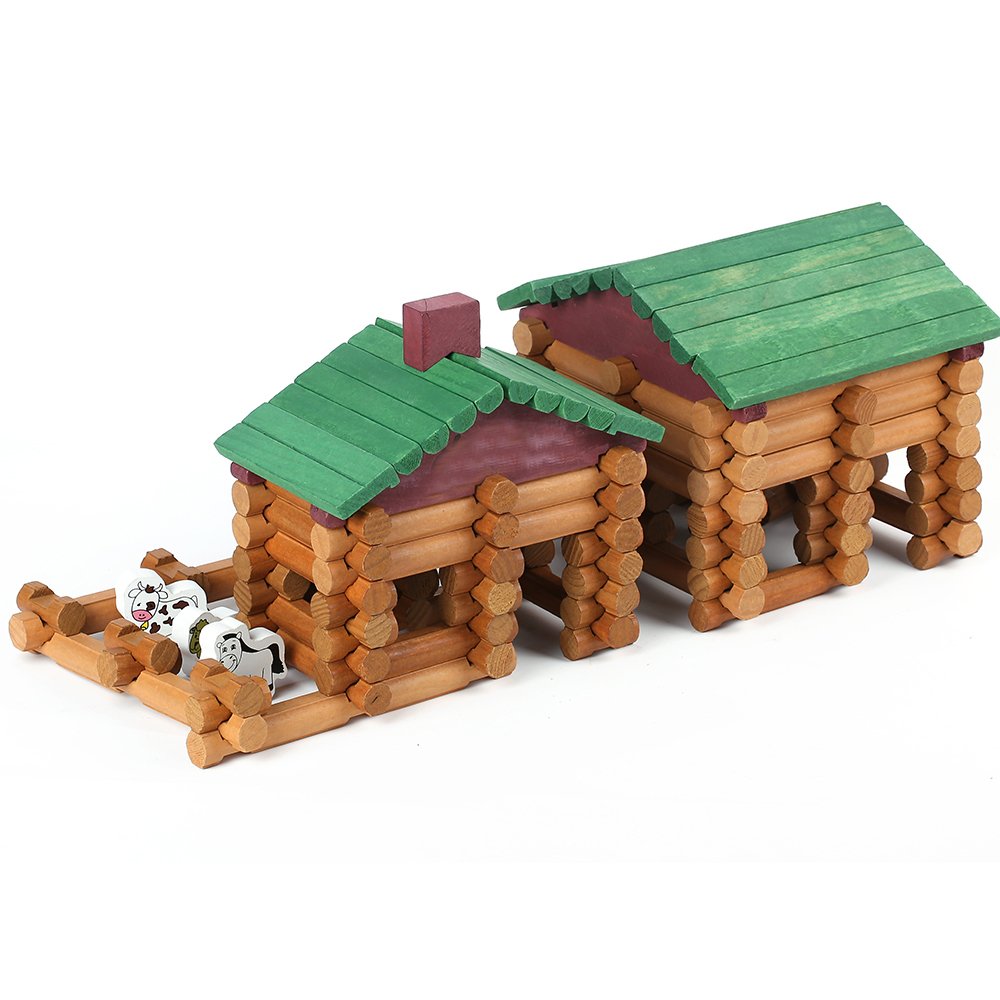
  1. Build a log cabin with Lincoln Logs
  2. Make a Log Cabin Photo Frame p. 36 Pioneer Crafts for Kids
  3. Use My Book of Little House Paper Dolls: The Big Woods Collection to reenact and retell the story to someone.
  4. Make a Flower Mask p. 16 Pioneer Crafts for Kids
  5. Build a Pretzel Log Cabin

Art: 

  1. Color some prairie flowers
  2. Draw a rock fireplace as Laura descibed it.
  3. Draw a log cabin.

Or you can try to draw a wolf:

Music:

Listen to the natural songs made by wolves:


**BE SURE TO SAVE A FEW SAMPLES OF YOUR WORK FOR YOUR  PORTFOLIO!  TAKE PICTURES OF BIG PROJECTS!

Little House On The Prairie Adventure: Week by Week Science Lessons

**This post may contain affiliate links to some of the products and resources that we have used. These are provided at no extra charge to you and help to support our blog and family if a purchase is made through these links. -Thank you!

Here are our Lesson Plans For Science

Please note that YouTube has been removing some content from its site so you may need to search for another video on the topics listed.

These lessons were made to go along with ‘The Little House On The Prairie‘ written by Laura Ingalls Wilder. We are planning to go through the whole series and I am keeping track of the different topics we are learning about here on my blog. We hope you enjoy these as much as we have!

On weeks where there are several activities listed just choose a couple that interest you the most to work on.

Tip: If you want to go to a certain week/chapter simply push the ‘ctrl’ and the ‘F’ button down together and a small bar will pop up. Type in the week number or chapter number you want and it will take you to it.


Week 1: Chapters 1, 2 & 3

1. Read about mustangs.

  • Older kids can also work on a report. The report needs to include behavior, habitat, and diet.

2. Start learning about simple machines.

We will be using Explore Simple Machines!: With 25 Great Projects for this study.

What are Simple Machines?

  • Read pages 1-3 of your book.
  • Write down these words and their definitions:
    • Simple Machine
    • Mechanical Advantage
    • Compound Machine
  • What are the 6 types of simple machines? Write them down in your notebook.

Watch this video for more information:

  • Discuss what you learned.
  • What simple machines do we use in our homes?

What is Force?

  • Read pages 4-7 of your book.
  • Write down these words and their definitions:
    • work
    • force
    • push
    • pull
    • equilibrium
    • unbalanced
    • gravity
    • friction
    • weight
    • lubricant
    • Newton
  • How can you fight friction?
  • Do one of the activities on pages 8-11.

Watch this video for more information:

3. What are Stars?

  • In this book Laura mentions watching the sky a lot and describes the stars.
  • Discuss what you learned.

Extra:


Week 2: Chapters 4, 5 & 6

1. Read about prairie animals.

  • Older kids can also work on a report about prairie animals. The report needs to include behavior, habitat, and diet.
  • Here are a couple of videos to get you started:

Here is a video about prairie dogs:

And another about Hawks:

  • Discuss what you learned.
  • Choose an animal to study and write a report about. Your report will be due next week.

2. What is the solar system?

  • Discuss what you learned.

3. Continue learning about simple machines.

We will be using Explore Simple Machines!: With 25 Great Projects for this study.

What are levers?

  • Read pages 12-19 of your book.
  • Write down these words and their definitions:
    • fulcrum
    • load
    • effort
    • engineer
    • linkage
    • agriculture
    • defense
    • invent
    • shaduf
    • counterweight
    • irrigation ditch
    • archaeologist
    • catapult
    • trebuchet
  • How many types of levers are mentioned in the book? What are the differences?
  • Do one of the activities on pages 20-25.

Watch this video for more information:

Extra:


Week 3: Chapters 7, 8 & 9

1. What are mules?

  • Learn about mules and how they are different from horses.
  • Mules are hybrids. Learn more about this here:
  • Discuss what you learned.
  • Name four ways that mules are different from horses.
  • Name two more hybrid animals.

2. Continue to study Prairie Animals.

  • Older kids can also work on a report. The report needs to include behavior, habitat, and diet.
  • Discuss what you learned.
  • Name one interesting fact about wolves that you didn’t know before.

Listen to these sounds:

  • How would these sounds make you feel?

3. Why do animals’ eyes glow in the dark?

  • Find out why animals’ eyes glow in the dark.
  • Discuss what you have learned.

4. Continue learning about simple machines.

We will be using Explore Simple Machines!: With 25 Great Projects for this study.

What are screws?

  • Read pages 46-52 of your book.
  • Write down these words and their definitions:
    • thread
    • pitch
    • design
    • bolt
    • worm gear
    • spur gear
    • drill bit
  • What are some different ways that screws are used? How could these have helped Pa?
  • Do one of the activities on pages 53-56.

Watch this video for more information:

  • Discuss what you learned.
  • Play Simple Machines Game
  • Check out this video to see how this talented artist uses screws to create pictures:

5. Research plants on the prairie.

We have been looking at prairie animals but what about the plants?

  • Discuss what you have learned.

6. Constellations

  • Discuss what you have learned.
  • Check out these neat constellation cards on this page HERE. Look for ‘constellations.pdf’ under History and Geography.
  • Or try this really neat craft HERE (I might try this with small flashlights.) or HERE.

Week 4: Chapters 10, 11 & 12

1. Continue to study Prairie Animals.

  • Discuss what you have learned.
  • Do you know how to tell a poisonous snake from a non-poisonous snake?
  • My kids like to remember this little rhyme:

Image result for red and black friend of jack

This holds pretty true here in Florida but may not hold true in other areas.

Watch this video about the differences between venomous and non-venomous species:

Watch this video on how other animals react to snakes:

  • Discuss what you learned.

Watch this video on skunks too:

  • Discuss what you learned.

2. Continue learning about simple machines.

We will be using Explore Simple Machines!: With 25 Great Projects for this study.

What are pulleys?

  • Read pages 68- 74 of your book.
  • Write down these words and their definitions:
    • fixed pulley
    • movable pulley
    • compound pulley
    • block & tackle
    • windlass
  • How many types of pulleys are mentioned in the book? How are they different?
  • Do one of the activities on pages 75-79.

Watch this video for more information:

  • Discuss what you learned.

Here is a fun project:

3. How do we get our drinking water?

  • Watch a video and older kids can do some independent research.
  • Discuss what you learned.

Here is a quick video showing the well that was dug in the book.

4. What gases were in the well?

  • Check out this article HERE for some possible answers to this question.
  • Discuss what you learned.

Check out this video on quicksand too:

  • Discuss what you have learned.

5. What is the Milky Way?

  • Discuss what you learned.

Week 5: Chapters 13, 14 & 15

1. Continue to study Prairie Animals.

  • Watch a video and older kids can do some independent research.
  • Discuss what you learned.

2. Is there anything good about mosquitoes?

  • Watch a video and older kids can do some independent research.
  • Discuss what you learned.

3. What are parasites?

  • Discuss what you learned.

4. Research blood.

  • Discuss what you learned.

5. Continue learning about simple machines.

We will be using Explore Simple Machines!: With 25 Great Projects for this study.

What are wheels and axles?

  • Read pages 34-40 of your book.
  • Write down these words and their definitions:
    • crank
    • Mesopotamia
    • sledge
    • spokes
    • artifact
    • radiocarbon dating
    • carbon
  • What did people use to move things before wheels were invented?
  • Do one of the activities on pages 41-45.

Watch this video for more information:

Extras:

Play one of these games:


Week 6: Chapters 16, 17 & 18

1. Watch this fun video:

  • Discuss what you learned.

2. Why do leaves change color?

  • Watch a video and older kids can do some independent research.
  • Discuss what you learned.

3. Why do birds migrate?

  • Watch a video and older kids can do some independent research.
  • Discuss what you learned.

4. Continue learning about simple machines.

  • We will be using Explore Simple Machines!: With 25 Great Projects for this study.What are inclined planes?
    • Read pages 26-29 of your book.
    • Write down these words and their definitions:
      • lock
      • skeleton
      • switchback
      • ascent
      • descent
    • What are some different ways that inclined planes are used?
    • Do one of the activities on pages 30-33.

    Watch this video for more information:

5. Meet the five dwarfs.

  • Discuss what you learned.

Week 7: Chapters 19, 20 & 21

1. Continue to Research Prairie Animals.

  • Discuss what you learned.

Listen to these sounds:

  • How would that make you feel?

2. Continue learning about simple machines.

We will be using Explore Simple Machines!: With 25 Great Projects for this study.

What are wedges? Not the shoes.

  • Read pages 57-62 of your book.
  • Write down these words and their definitions:
    • ravine
    • caravan
  • Can you name four uses of wedges? p.59 Write them down.
  • Do one of the activities on pages 63-67.

Watch this video for more information:

  • Discuss what you learned.

3. Get to know your galaxy.

  • Discuss what you learned.

Extra:


Week 8: Chapters 22, 23 & 24

1. Research Wild Fires.

  • Discuss what you learned.

How we fight wildfires:

  • Discuss what you learned.
  • How do these methods compare/contrast with the methods used by Pa and Ma?

2. Continue learning about simple machines.

We will be using Explore Simple Machines!: With 25 Great Projects for this study.

Can you be an inventor?

  • Read pages 80-83 of your book.
  • Write down these words and their definitions:
    • engineering design process
    • construct
  • What five types of inventors are there?
  • What would you invent?
  • Do one of the activities on pages 84-85.

Watch this video for more information:

  • Discuss what you learned.

3. Navigating the night sky.

  • Discuss what you learned.

Extra:


Week 9: Chapters 25 & 26

1. Free Choice

  • Pick out a previous topic to research more and write a report about it.
  • Go to Mystery Science and learn about something you are interested in.

2. Continue learning about simple machines.

3. Planets in our Solar System.

  • Discuss what you have learned.

4. Read about how to start plants indoors like Ma did.

  • Discuss what you have learned.
  • What plants would you like to start?
  • Make a list of materials you would need.

Extra:


Week 10: Finishing Up

1. Free Choice

  • Pick out a previous topic to research more and write a report about it.
  • Go to Mystery Science and learn about something you are interested in.

2. Continue learning about simple machines. Pick a project to do.

3. A constellation guide.

Extra:

**BE SURE TO SAVE A FEW SAMPLES OF YOUR WORK FOR YOUR  PORTFOLIO!  TAKE PICTURES OF BIG PROJECTS!

Little House On The Prairie Adventure: Week by Week Music, Arts, and Crafts Lessons

**This post may contain affiliate links to some of the products and resources that we have used. These are provided at no extra charge to you and help to support our blog and family if a purchase is made through these links. -Thank you!

Here are our Lesson Plans For Music, Arts & Crafts

Please note that YouTube has been removing some content from its site so you may need to search for another video on the topics listed.

These lessons were made to go along with ‘The Little House On The Prairie‘ written by Laura Ingalls Wilder. We are planning to go through the whole series and I am keeping track of the different topics we are learning about here on my blog. We hope you enjoy these as much as we have!

On weeks where there are several activities listed just choose a couple that interest you the most to work on.

Tip: If you want to go to a certain week/chapter or subject simply push the ‘ctrl’ and the ‘F’ button down together and a small bar will pop up. Type in the week number or chapter number you want and it will take you to it.

You can check out my Pinterest page Little House on the Prairie Crafts for even more crafts and activities.

Many of the songs come from this book:

Laura Ingalls Wilder Songbook


You can find more Native American crafts and activities HERE, HERE, HERE, and a FREE printable coloring book HERE.

Week 1: Chapters 1, 2 & 3

Crafts:

  1. Try one of these campfire crafts:

2.  Horse Crafts

3. You could start making a Pioneer Life Diorama to depict the book scenes.

Art:**

  1. Draw a picture of Pet and Patty on their lines.
  2. Wagons on a raft coloring page.

Music:

  1. Listen to the sounds of nature on the prairie:

2. Listen to the sounds of nature at night:


Week 2: Chapters 4, 5 & 6

Crafts:**

  1. Try making some origami animals.

Art:

  1. Prairie Dog Coloring Page
  2. How to draw a Prairie Dog
  3. or Free Choice

Music:


Week 3: Chapters 7, 8 & 9

Crafts:

  1. Build a log cabin with Lincoln Logs
  2. Make a Log Cabin Photo Frame p. 36 Pioneer Crafts for Kids
  3. Use My Book of Little House Paper Dolls: The Big Woods Collection to reenact and retell the story to someone.
  4. Make a Flower Mask p. 16 Pioneer Crafts for Kids
  5. Build a Pretzel Log Cabin

Art: 

  1. Color some prairie flowers
  2. Draw a rock fireplace as Laura described it.
  3. Draw a log cabin.

Or you can try to draw a wolf:

Music:

Listen to the natural songs made by wolves:


Week 4: Chapters 10, 11 & 12

Crafts:

1. Snakes

2. Water well

Art: 

  1. Snake coloring page

Music:

Listen to some Native American music:


Week 5: Chapters 13, 14 & 15

Crafts:

  1. 9 NATIVE AMERICAN CRAFTS FOR KIDS
  2. Indian Necklace Craft
  3. Make a Fringed Vest p. 13 Pioneer Crafts for Kids

Art:

  1. Longhorn coloring pages
  2. Cattle drive coloring page
  3. Three Wigwams coloring page

Look at these Native American Bead Projects HERE or below:

Music:

Listen to some of these old cowboy songs:


Week 6: Chapters 16, 17 & 18

Crafts:

  1. Turkey Crafts for Kids – Wonderful Art and Craft Ideas for Fall and Thanksgiving
  2. 15 TERRIFIC TURKEY CRAFTS FOR KIDS
  3. Turkey Leaf Lanterns Mason Jar Thanksgiving Craft

DIY Paper Turkey Headdress Turkey Hat Crafts

Art:

  1. Make a Turkey from things found in nature: Nature Made Wild Turkey
  2. Turkey Coloring Page

Music:


Novum Crafts Feather Headdress


Week 7: Chapters 19, 20 & 21

Crafts:

1. Make musical instruments:

2. Christmas

Art:

  1. Santa Claus coloring page
  2. Christmas coloring page

Music:

Some more Plains Indian Music:


Week 8: Chapters 22, 23 & 24

Crafts:**

  1. Choose a Frog Craft

Smiling Wisdom - Jumping Hop Frog Origami Game - Holiday Favors, Classroom - 50 Colorful Origami Frogs - Children's Paper Game - Holiday Party Activity Ideas for Boys & Girls - Multicolored

Smiling Wisdom – Jumping Hop Frog Origami Game

2. Buffalo Crafts

3. Indian Papoose Craft

Art:

  1. Buffalo coloring pages
  2. Native American Hunter coloring page

Music:

  1. The Gum Tree Canoe p. 117Laura Ingalls Wilder Songbook

Week 9: Chapters 25 & 26

Crafts:**

1. Make a Covered Wagon p. 37 Pioneer Crafts for Kids

2. Indian Headdress

Amscan Thanksgiving Make Your Own Headband

Amscan Thanksgiving Make Your Own Headband

Art:

  1. Choose a previous project that you haven’t done yet.
  2. Indian Headdress Coloring Page
  3. Native American Dancing coloring page
  4. Free Choice

Music:

  • Experiment with making music around the house.

Westco Sounds of Nature Kit Musical Instrument Toy

Week 10: Finishing Up

Crafts:**

Make some crafts for your Indian Party. Check out these ideas HERE on Amazon. You can also check out my Pinterest board HERE.

  1. INDIAN CRAFTS FOR KIDS: Ideas to Make Native American Indians with Easy arts and crafts for children, preschoolers, teens
  2. Make a Spoon Doll p. 14 Pioneer Crafts for Kids
  3. Make a Pioneer Doll p. 32 Pioneer Crafts for Kids
  4. Make a Pioneer Life Diorama p. 51 Pioneer Crafts for Kids

Art:

  1. Choose a previous project that you haven’t done yet.
  2. Free Choice

Music:

**BE SURE TO SAVE A FEW SAMPLES OF YOUR WORK FOR YOUR  PORTFOLIO!  TAKE PICTURES OF BIG PROJECTS!