Podcast Episode 13: Two Monks and an Olive Tree

Pip: Welcome back to Pollywog’s Place, where the wisdom arrives quietly and tends to hit harder than expected.

Mara: Susie at Pollywog’s Place Blog shared a parable this week about prayer, control, and what it actually means to trust — and there’s more to it than asking for the right weather. Let’s start with two monks and an olive tree.

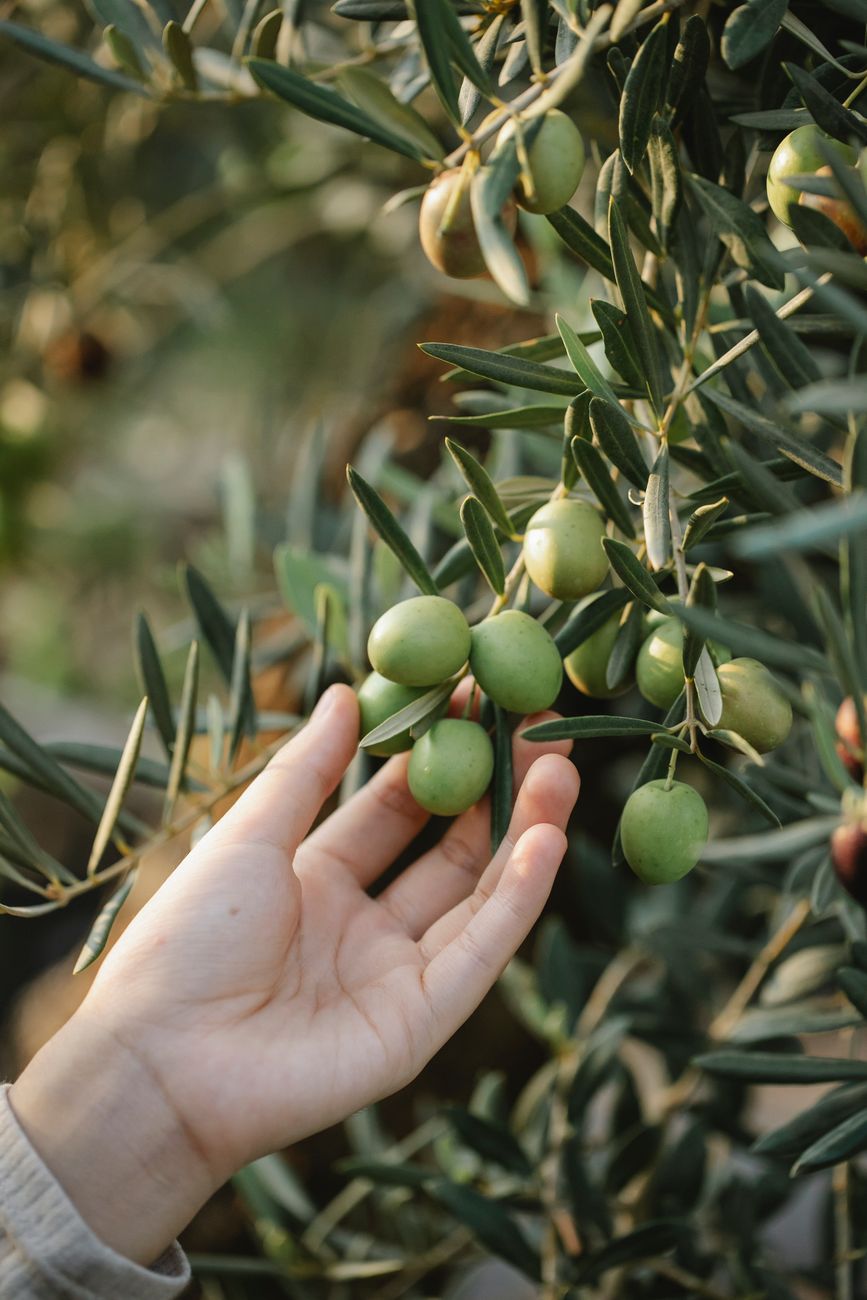
Two Monks and an Olive Tree

Pip: The setup here is deceptively simple — two monks, two trees, same starting conditions. The real question the story is asking is whether we trust God to know what we need, or whether we’re quietly just asking God to execute our own plan.

Mara: The post draws the contrast plainly. The second monk’s approach was this: “he prayed for God to send what the little tree needed in order to flourish. God created the tree and He alone knows what was best for that little tree.”

Pip: And the first monk’s tree dies. Not from neglect — from over-specification. He prayed for rain, then sun, then frost, each one reasonable on its own, but the sequence was his sequence, not the tree’s.

Mara: That’s the tension the post keeps returning to. It’s not about whether you pray. It’s about what you’re actually asking for when you do. The post puts it directly: “We ask God to send what we think we need when we feel that we need it.”

Pip: Which is, if we’re honest, most prayer most of the time. The first monk wasn’t faithless — he was attentive and devoted. He just couldn’t see the whole tree.

Mara: The post frames this as something genuinely hard to practice. The line is: “I know how hard it is to turn over control but trust me you must surrender every part of your life to Him so that He can have His way and He will bless you more abundantly than you could ever imagine.”

Pip: Surrender every part — that’s not a small ask. But the parable earns it, because the monk who let go ended up with the living tree.

Mara: The post is honest that this is ongoing work, not a lesson already learned. There’s real humility in admitting you’re still learning to pray like the second monk.

Pip: Sometimes the most useful thing a story can do is name the habit you didn’t know you had.


Mara: The parable lands because it isn’t really about trees. It’s about the difference between faith and management.

Pip: Next time — more from Pollywog’s Place, where the quiet ones tend to stay with you.

Two Monks and An Olive Tree

Podcast Episode 12: You are worth more than rubies

Pip: Pollywog’s Place Blog is the kind of corner of the internet where someone sits down, opens their heart completely, and just writes — no hedging, no brand strategy, just genuine belief on the page.

Mara: Today we’re spending time with a post from Susie at Pollywog’s Place Blog that sits squarely in the territory of faith, self-worth, and what it means to wait well. Let’s start with the letter she wrote to her daughters.

Continue reading “Podcast Episode 12: You are worth more than rubies” →

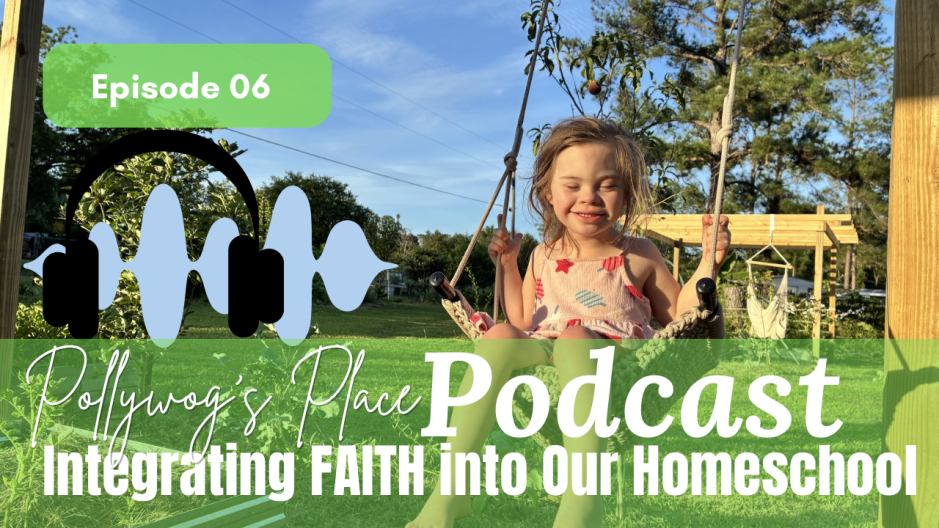
Podcast Episode 06: Growing Children of GOD: Integrating FAITH Into Our Homeschool

Pip: Welcome back to Pollywog’s Place Blog, where the curriculum planning is done, the Bible verses are cited by chapter and verse, and the school year has a theme for every single month.

Mara: Susie at Pollywog’s Place Blog has mapped out a full year of faith-integrated homeschooling, and today we’re walking through how she’s woven biblical principles into every subject — from financial literacy in January all the way through to December math.

Pip: Let’s start with the plan itself — and it is a plan.

Continue reading “Podcast Episode 06: Growing Children of GOD: Integrating FAITH Into Our Homeschool” →

Podcast Episode 11: Would The Real Boaz Please Stand Up?

Pip: Welcome back to Pollywog’s Place, where the questions are personal, the faith is real, and the waiting rooms of the heart are fully furnished.

Mara: Susie at Pollywog’s Place Blog has been sitting with the book of Ruth — and what comes out of that is a meditation on faith, longing, and the kind of character that actually holds up over time. Let’s start with what she’s really asking when she asks where her Boaz is.

Would The Real Boaz Please Stand Up?

Pip: The book of Ruth is a love story, but this post uses it as a lens for something more immediate — what does it actually look like to wait for a partner with integrity, and what does that waiting cost you in the meantime?

Mara: The post grounds that question in something concrete. Writing about the man she hopes to find, she says: “He would want to guard my heart and wipe my tears, not be the cause for them.”

Pip: That line earns its weight. It comes after a pattern of meeting men who seemed to carry those qualities and then didn’t — the false front drops, trust gets broken, and old wounds resurface. The standard isn’t wealth or status; it’s whether a person’s character holds when no one’s performing.

Mara: Right, and she’s explicit that she’s not asking about occupation or income. The traits she names — integrity, genuine kindness, giving without expectation, the willingness to lead — map directly onto how Boaz behaves in the text. He notices Ruth, protects her, and acts without being asked.

Pip: What makes the post land, though, is that she turns the same scrutiny on herself. The prayer list isn’t just for him — it’s equally long for her own becoming.

Mara: She puts it plainly: “I also try to pray that God will shape me and mold me into the person that my Boaz will need me to be.” That symmetry matters. She’s not waiting passively; she’s actively trying to become someone ready for what she’s asking for.

Pip: And she’s not searching, either — not in the conventional sense. The posture is trust that placement is God’s work, not hers. Which takes a particular kind of patience when rejection has already done its damage.

Mara: She names that directly — feelings of rejection creeping in from past hurts, the difficulty of trusting after someone has used her vulnerabilities against her. The faith isn’t naive; it’s chosen in full view of the cost.

Pip: Waiting with eyes open. That’s the harder version.

Mara: And the one she’s committed to.


Pip: Faith as an active posture, not a passive one — that’s the thread running through all of this.

Mara: It’s a distinction worth sitting with. More from Pollywog’s Place next time.

I’ve already found my ‘Boaz’, but I hope this encourages you, if you are still looking!

Would the real Boaz please stand up?

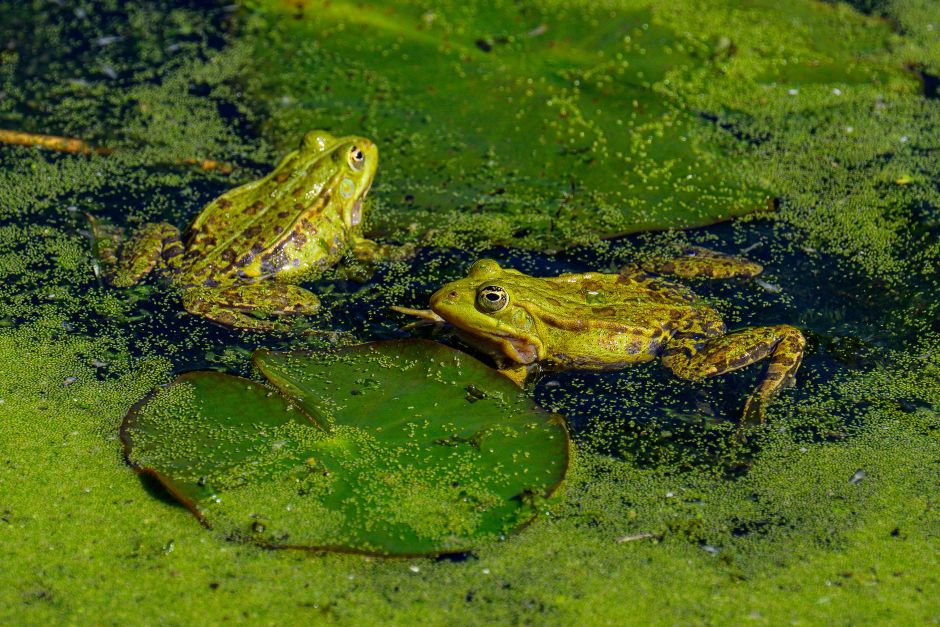
Podcast Episode 10: The Two Frogs Tale

Pip: Welcome back to Pollywog’s Place, where the lessons are ancient, the stakes are surprisingly high, and the protagonists are occasionally amphibians.

Mara: Susie at Pollywog’s Place Blog has a piece up that uses a classic fable to dig into something genuinely consequential — the power words have over the people around us. Let’s start with the tale itself and what it’s actually asking us to do.

The Two Frogs Tale

Pip: The setup here is a question about stakes — specifically, whether the words other people say to us can be the difference between making it out of a hole and not making it out at all.

Mara: The post frames it directly: “We need to see just how powerful our tongue and our words can be. If we speak an encouraging word to others it can possibly be the motivation that they need and help them to get through a difficult time.”

Pip: And the flip side is just as stark. The post doesn’t soften it — wrong words can send someone into a downward spiral. That’s not a metaphor being stretched; the fable literalizes it as a matter of survival.

Mara: The fable itself is the engine of the whole piece. Two frogs fall into a deep pit. The crowd tells them they’re as good as dead. One frog believes it and gives up. The other, who is deaf, assumes the crowd is cheering him on — and he jumps harder and gets out.

Pip: So the frog who survives does so precisely because he couldn’t hear the discouragement. Which is either a beautiful lesson or a fairly grim commentary on what the rest of us are subjected to.

Mara: The post draws that out carefully. It connects the fable to a broader idea about being intentional — making a conscious effort to use words that encourage rather than deflate, and asking for help staying quiet when you genuinely can’t manage that.

Pip: There’s something honest about that last part. Not “always say something kind,” but “if you can’t, maybe say nothing.”

Mara: Right — the post names tongue-control as genuinely difficult, almost impossible at times. It’s not presented as easy virtue, which gives the moral some weight.

Pip: The fable earns its place here because it makes the abstract concrete. Words as life-or-death isn’t hyperbole when you watch one frog die and one walk away.


Mara: The throughline is simple but not small — what we say shapes what people believe is possible for them.

Pip: Worth sitting with. More from Pollywog’s Place next time.

The Two Frogs Tale