Podcast Episode 13: Two Monks and an Olive Tree

Pip: Welcome back to Pollywog’s Place, where the wisdom arrives quietly and tends to hit harder than expected.

Mara: Susie at Pollywog’s Place Blog shared a parable this week about prayer, control, and what it actually means to trust — and there’s more to it than asking for the right weather. Let’s start with two monks and an olive tree.

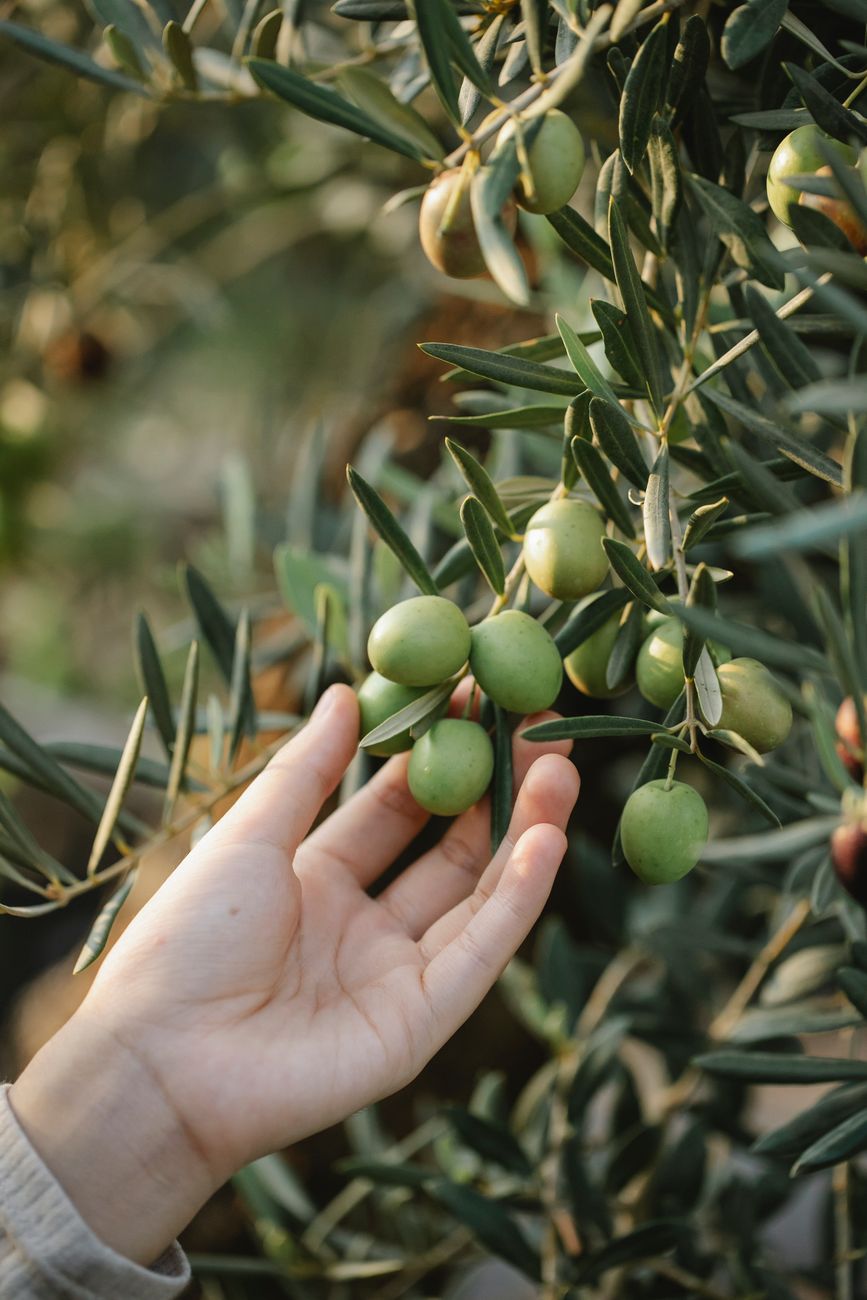
Two Monks and an Olive Tree

Pip: The setup here is deceptively simple — two monks, two trees, same starting conditions. The real question the story is asking is whether we trust God to know what we need, or whether we’re quietly just asking God to execute our own plan.

Mara: The post draws the contrast plainly. The second monk’s approach was this: “he prayed for God to send what the little tree needed in order to flourish. God created the tree and He alone knows what was best for that little tree.”

Pip: And the first monk’s tree dies. Not from neglect — from over-specification. He prayed for rain, then sun, then frost, each one reasonable on its own, but the sequence was his sequence, not the tree’s.

Mara: That’s the tension the post keeps returning to. It’s not about whether you pray. It’s about what you’re actually asking for when you do. The post puts it directly: “We ask God to send what we think we need when we feel that we need it.”

Pip: Which is, if we’re honest, most prayer most of the time. The first monk wasn’t faithless — he was attentive and devoted. He just couldn’t see the whole tree.

Mara: The post frames this as something genuinely hard to practice. The line is: “I know how hard it is to turn over control but trust me you must surrender every part of your life to Him so that He can have His way and He will bless you more abundantly than you could ever imagine.”

Pip: Surrender every part — that’s not a small ask. But the parable earns it, because the monk who let go ended up with the living tree.

Mara: The post is honest that this is ongoing work, not a lesson already learned. There’s real humility in admitting you’re still learning to pray like the second monk.

Pip: Sometimes the most useful thing a story can do is name the habit you didn’t know you had.


Mara: The parable lands because it isn’t really about trees. It’s about the difference between faith and management.

Pip: Next time — more from Pollywog’s Place, where the quiet ones tend to stay with you.
Two Monks and An Olive Tree

Podcast Episode 04: God uses cracked pots

Pip: Welcome back to Pollywog’s Place Blog — where the cracks in the clay are apparently the whole point.

Mara: Susie at Pollywog’s Place Blog has been writing about something that cuts pretty close to home for a lot of people — what it means to feel broken, flawed, and still worthy of purpose. Let’s start with that question.

God uses cracked pots

Pip: The central tension here is one most people recognize immediately — the gap between who you think you should be and who you actually are, and whether that gap disqualifies you from anything that matters.

Mara: The post opens with a verse from Jeremiah 18:4 that frames everything that follows: “And the vessel that he made of clay was marred in the hand of the potter: so he made it again another vessel, as seemed good to the potter to make it.”

Pip: So the upshot is: being marred isn’t the end of the story. The potter doesn’t discard the clay — he works with it again. That reframe is doing a lot of heavy lifting.

Mara: The post names exactly what that marring looks like in practice — comparison, the “if onlys,” doubting your abilities. Things like wishing you had more money, were a better mom, looked different. The internal list most people carry quietly.

Pip: And then it pivots somewhere unexpected. It isn’t just that God tolerates your cracks — the argument is that the cracks are actually the mechanism. Light gets out through them.

Mara: That’s stated directly: “His light will shine out brighter and brighter with every crack. So in a sense, the more cracked and broken we become as we surrender our will to His will, then the more He will be able to use us for His glory.”

Pip: Which reframes shame entirely. The crack isn’t evidence of failure — it’s the opening.

Mara: The post also points to the parable of the cracked pot — a separate story linked in the piece — which illustrates the same idea through a water-bearer whose leaking pot waters wildflowers along the path without knowing it.

Pip: Useful without being aware of it. That’s a quietly generous image.

Mara: The closing call is practical: don’t hide the cracks, don’t be ashamed of the flaws, ask for help accepting them. The promise attached is that something more beautiful gets made in the process.


Pip: Broken clay, wildflowers, light through cracks — there’s a whole theology of imperfection sitting in this one.

Mara: And more from Pollywog’s Place to come. See you next time.

You can read the post HERE:

God uses cracked pots