Pip: Pollywog’s Place Blog is the kind of corner of the internet that hands you something genuinely useful and asks nothing dramatic in return.
Mara: Susie at Pollywog’s Place Blog has put together a thirty-one-day prayer devotional for anyone carrying the weight of an estranged relationship — and that’s the territory we’re covering today.
Pip: Let’s start with the devotional itself and what it’s actually asking of the person who picks it up.
Pip: Welcome back to Pollywog’s Place, where the wisdom arrives quietly and tends to hit harder than expected.
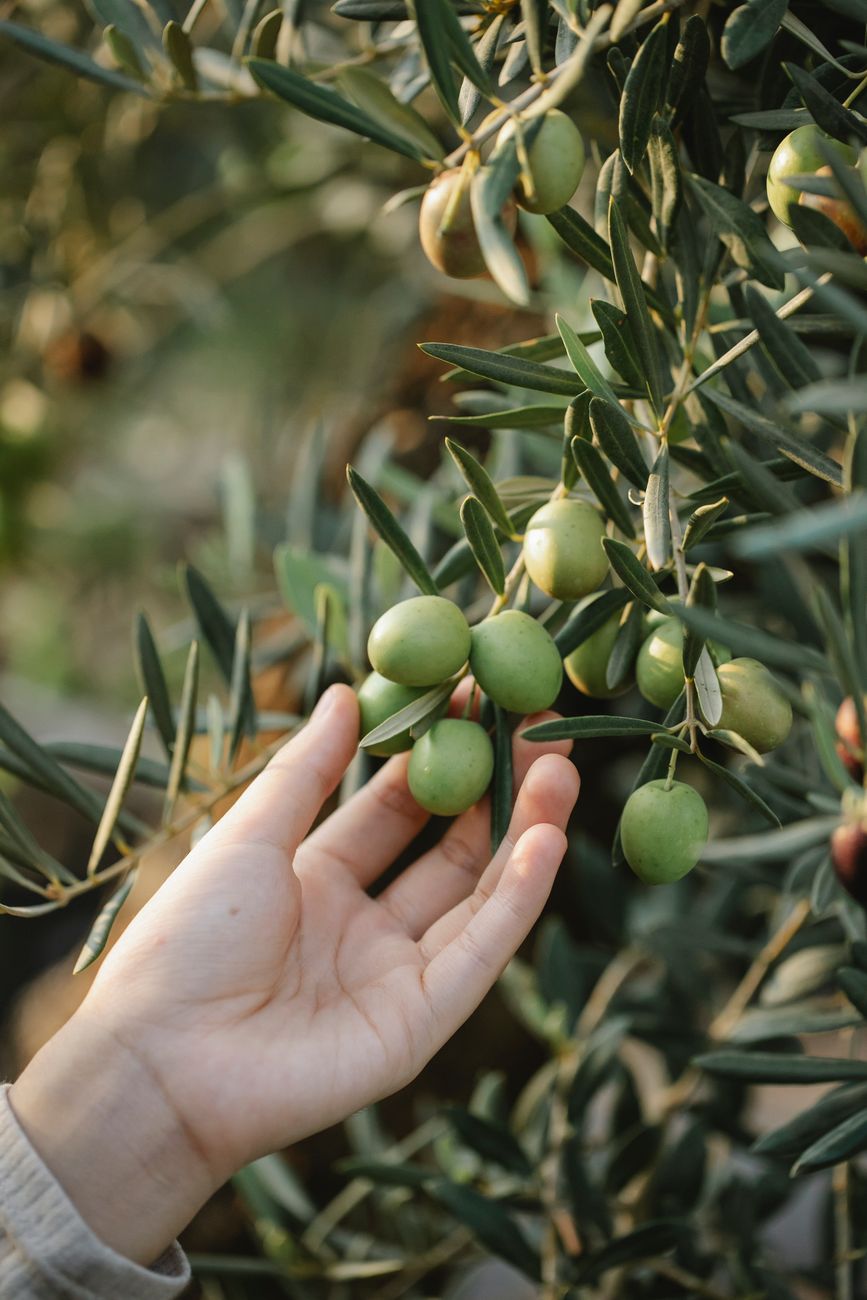
Mara: Susie at Pollywog’s Place Blog shared a parable this week about prayer, control, and what it actually means to trust — and there’s more to it than asking for the right weather. Let’s start with two monks and an olive tree.
Two Monks and an Olive Tree
Pip: The setup here is deceptively simple — two monks, two trees, same starting conditions. The real question the story is asking is whether we trust God to know what we need, or whether we’re quietly just asking God to execute our own plan.
Mara: The post draws the contrast plainly. The second monk’s approach was this: “he prayed for God to send what the little tree needed in order to flourish. God created the tree and He alone knows what was best for that little tree.”
Pip: And the first monk’s tree dies. Not from neglect — from over-specification. He prayed for rain, then sun, then frost, each one reasonable on its own, but the sequence was his sequence, not the tree’s.
Mara: That’s the tension the post keeps returning to. It’s not about whether you pray. It’s about what you’re actually asking for when you do. The post puts it directly: “We ask God to send what we think we need when we feel that we need it.”
Pip: Which is, if we’re honest, most prayer most of the time. The first monk wasn’t faithless — he was attentive and devoted. He just couldn’t see the whole tree.
Mara: The post frames this as something genuinely hard to practice. The line is: “I know how hard it is to turn over control but trust me you must surrender every part of your life to Him so that He can have His way and He will bless you more abundantly than you could ever imagine.”
Pip: Surrender every part — that’s not a small ask. But the parable earns it, because the monk who let go ended up with the living tree.
Mara: The post is honest that this is ongoing work, not a lesson already learned. There’s real humility in admitting you’re still learning to pray like the second monk.
Pip: Sometimes the most useful thing a story can do is name the habit you didn’t know you had.
Mara: The parable lands because it isn’t really about trees. It’s about the difference between faith and management.
Pip: Next time — more from Pollywog’s Place, where the quiet ones tend to stay with you.
There are some things we can fix with our own hands.
We can mend a broken fence, replenish tired soil, prune an overgrown plant, and tend a struggling garden back to health.
But we cannot force another person’s heart to change.
Estrangement from a child, parent, sibling, other family member, or dear friend carries a unique kind of grief. We may long for another conversation, another chance to listen, an opportunity to apologize, or simply an open door where there has been silence.
Sometimes, after we have done all we know to do, the only thing left is to place that person into God’s hands.
That is why I created 31 Days of Prayer for Estranged Family & Friends: A Journey of Surrender, Healing, Forgiveness & Restoration.