Pip: Pollywog’s Place Blog is where the practical and the personal sit down together and have a very honest conversation — and today, Susie @ Pollywog’s Place Blog is asking a question most of us have never thought to ask.
Mara: That’s right. We’re looking at the act of receiving — why refusing a gift might cost someone else more than it costs you. Let’s start with the blessings hiding on the other side of “no thank you.”
Blessings In Receiving
Pip: There’s a familiar saying about giving being better than receiving, but this post flips it — what happens to the giver when you refuse what they’re offering? That’s the real tension here.
Mara: An old preacher put it plainly, and the post quotes him directly: “if I refused these kinds of gifts I may be robbing the giver out of a blessing.”
Pip: So the refusal isn’t humility — it’s closer to theft. The person offering the gift may need to give it as much as you need to receive it, and saying no cuts that off entirely.
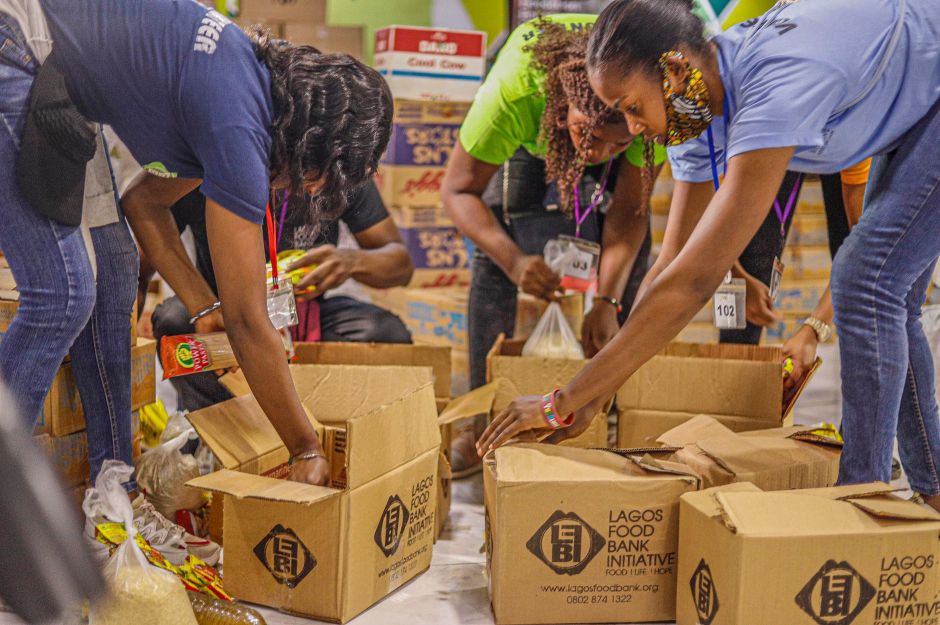
Mara: The post builds on that with a Thanksgiving story that makes the stakes concrete. A pastor arrives at the door with a turkey and a box of food. The instinct is to turn him away — we don’t need it. But when the food gets put away, something becomes clear: someone had chosen each item specifically for that family. Favorite snacks. Splurge items. Things that don’t usually show up in a standard Thanksgiving box.
Pip: That detail does a lot of work. It shifts the frame from charity to attention — somebody was paying close enough attention to know what this family actually loved.
Mara: And the post draws a direct line from that moment to something larger: accepting gifts builds relationships, loosens the grip of pride, and models generosity for children who are watching. It also names the fear underneath refusal — the worry that acceptance implies obligation. The post addresses that directly: if something is genuinely given, nothing is expected in return.
Pip: Swallowing pride, it turns out, is a gift you give back.
Mara: The 2019 follow-up revisits the same core question — what does it mean to be the receiver rather than the giver — and keeps the framing tight: refusing a gift doesn’t protect your independence, it interrupts someone else’s act of love.
Pip: Both versions of the post land in the same place: gracious receiving is its own form of generosity, and the next time someone offers something, the right move is to let them.
Mara: The through line today is that generosity runs in both directions — the receive end matters as much as the give end.
Pip: Next time, we’ll see what else Pollywog’s Place is turning over. There’s always something worth sitting with.
