There is something lovely about gathering around a table that looks a little different from an ordinary Tuesday. A pretty tablecloth, the soft glow of candles, and a few thoughtful touches can help us slow down and remember why we are gathering.
As Christians celebrating the biblical feasts, we are still learning. All we are trying to do is remember our FATHER, HIS WORD, and HIS PROMISES.
The decorations and household products shared here are optional. We do not present them as requirements from God or suggest that buying them makes a celebration more faithful. Some customs associated with the feasts developed later as traditions, and we want to be thoughtful about distinguishing those traditions from what Scripture actually says.
These are simply ways to make our gatherings feel a little more special while keeping our budget in mind.
Feeling overwhelmed by homeschooling? You’re juggling so much—teaching, parenting, discipling your kids, covering every subject for every age and learning style—and you’re probably wondering if you can actually raise successful, kind kids while keeping your sanity intact. (Spoiler: it’s tough!)
Here’s some good news: you don’t have to do it all! When you focus on biblical discipleship first, you can let go of the pressure to do everything—and suddenly, homeschooling becomes something you and your kids can actually enjoy together.
We’d love to see you at our free, five-day online Homeschool Teaching Summit! Learn how to lean on the Lord as you:
Simplify your homeschool
Focus on what matters most
Teach with God-centered confidence
Dreaming of a homeschool filled with joy for your whole family? Come join us for biblical wisdom and practical tools to help you teach your kids at home—and discover a more joyful year of God-centered teaching together.
Pip: Welcome to Pollywog’s Place Blog, where the lesson plans are many, the paper planners are endangered, and somebody is always overdue for grading.
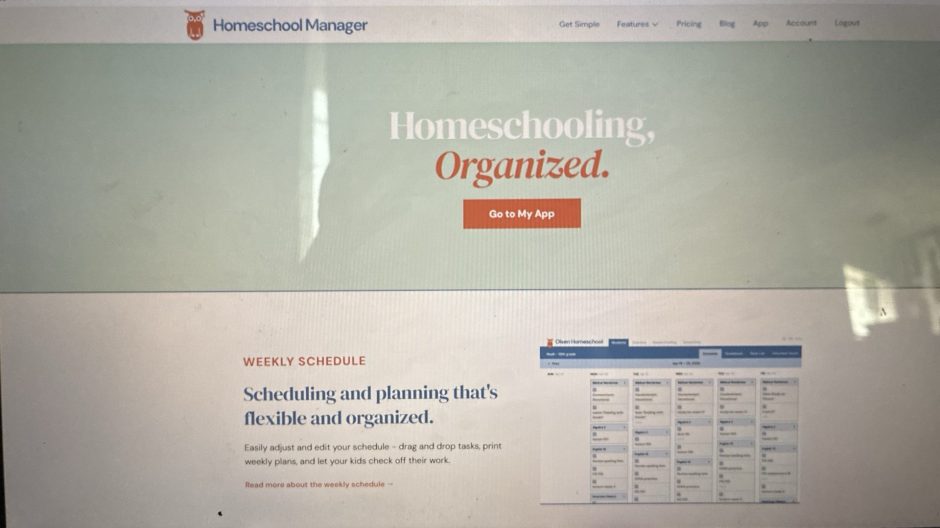
Mara: Susie at Pollywog’s Place Blog has been writing about the practical side of homeschooling a large family — specifically how to keep records, schedules, and lesson plans from becoming a second full-time job. That’s the territory we’re covering today, starting with how she organizes everything behind the scenes.
Keeping Homeschool Records Without Losing Your Mind
Pip: Managing a homeschool for multiple children means the administrative side — grades, attendance, transcripts, book lists — can quietly become as demanding as the teaching itself. The question is whether there’s a system that actually holds all of it together.
Mara: The post “From Daily Lessons to Transcripts: How I Organize Our Homeschool” puts it plainly: “I can keep track of our lessons, grades, volunteer hours, book lists, and attendance all in one place instead of trying to piece everything together from notebooks, planners, and spreadsheets.”
Pip: So the upshot is: one consolidated record means that when a high schooler needs a transcript, you’re not reconstructing years of work from scattered notes and memory.
Mara: Right — and the post is specific about that payoff. Two children have already graduated, and the colleges accepted those transcripts. The drag-and-drop scheduling and independent task check-off for students are called out as features that reduce the daily friction of keeping those records current in the first place.
Flexibility as the Core Feature
Pip: Record-keeping is one thing, but a system that can’t bend when life intervenes is just a fancier way to fall behind. The real test is what happens when the schedule needs to change on short notice.
Mara: “Homeschool Organization. Simple. Flexible.” describes exactly that scenario: “Homeschool Manager also gives us the flexibility to adapt and reorder our school year as needed when life throws us an unexpected curve ball or two.”
Pip: What this means in practice is that a spontaneous field trip or a week off track doesn’t orphan the whole planner — you drag the task to a new slot and keep moving.
Mara: The post goes into real detail on how that works. The drag-and-drop feature lets you grab a lesson and move or copy it in seconds, replacing what used to be hours of rewriting paper schedules. Before finding the tool, paper planners kept getting abandoned because falling behind made them impossible to salvage.
Pip: Paper planners as a sunk cost — honestly a relatable tragedy.
Mara: The post also highlights the Notes section as a solution for pulling lessons from multiple curricula, which is common in eclectic homeschooling. Web addresses for videos, games, activities — all stored alongside the schedule so nothing gets lost between planning and teaching. Printable weekly schedules let older students work ahead independently, and the dashboard flags overdue or ungraded tasks at a glance.
Mara: Portfolio requirements vary widely by state, and the post points out that having grades, attendance, and completed work already logged makes assembling one straightforward rather than a project in itself.
Pip: The through-line across both posts is the same: the administrative side of homeschooling is real work, and a system that bends with your family makes more space for the actual teaching.
Mara: Next time we’ll see what else is on the Pollywog’s Place agenda — there’s always more ground to cover.
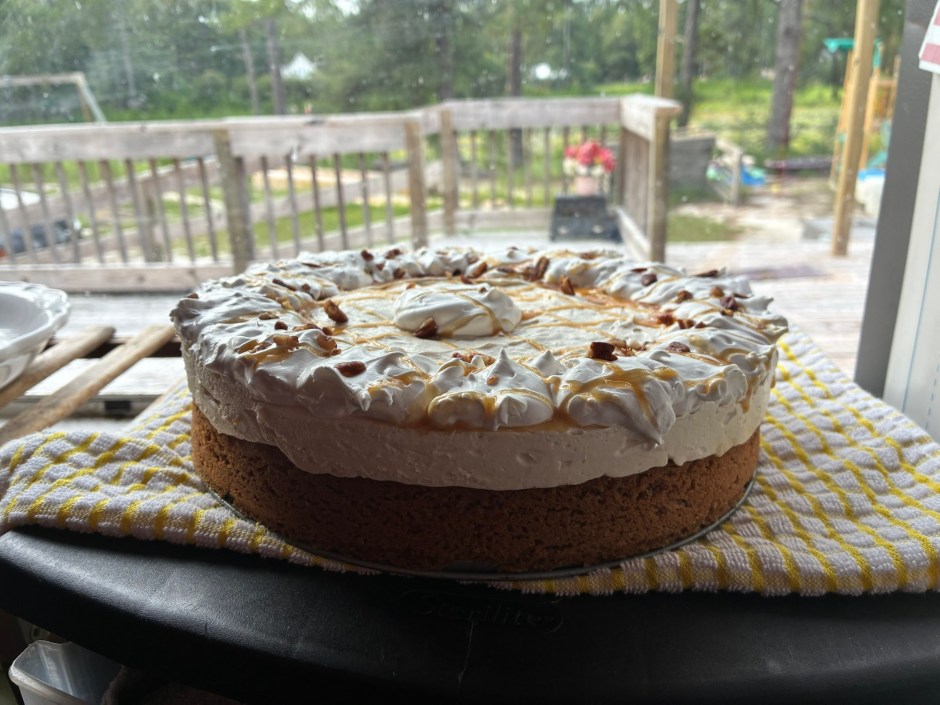
This recipe was a variation of Shyanne’s Two-Kind Cheesecake. Someone accidentally messed up and made the cake part according to the box directions, but it was still pretty amazing! The cake just wasn’t like a brownie but still good. I had to add a little liner of parchment paper around the top of the pan to hold everything in as the cake was a bit taller than the original recipe but it all worked out well.
We used a whole family pack of cookies but not all of those actually went into the cake… there was a lot of quality control happening. If you are looking for an easy to make dessert to impress, then this is it!