Pip: Welcome back to Pollywog’s Place Blog, where the curriculum planning is done, the Bible verses are cited by chapter and verse, and the school year has a theme for every single month.
Mara: Susie at Pollywog’s Place Blog has mapped out a full year of faith-integrated homeschooling, and today we’re walking through how she’s woven biblical principles into every subject — from financial literacy in January all the way through to December math.
Pip: Let’s start with the plan itself — and it is a plan.
This time of year seems to be a little busier for us, so I thought it might be helpful if I just got all my special meals and recipes gathered for the month. I checked the menu plan and have made a list of the holidays that we want to celebrate.
If you haven’t seen our Perpetual Meal Plans yet, then you really need to check them out, as they have all kinds of special and unique holidays listed. Now is the time to start making your bucket list for Fall things, if you haven’t already.
If you homeschool more than one child, you know that teaching the lessons is only part of the job. There are also grades to record, attendance to track, lessons to organize, records to keep…and somehow we’re supposed to remember where we put all of it.
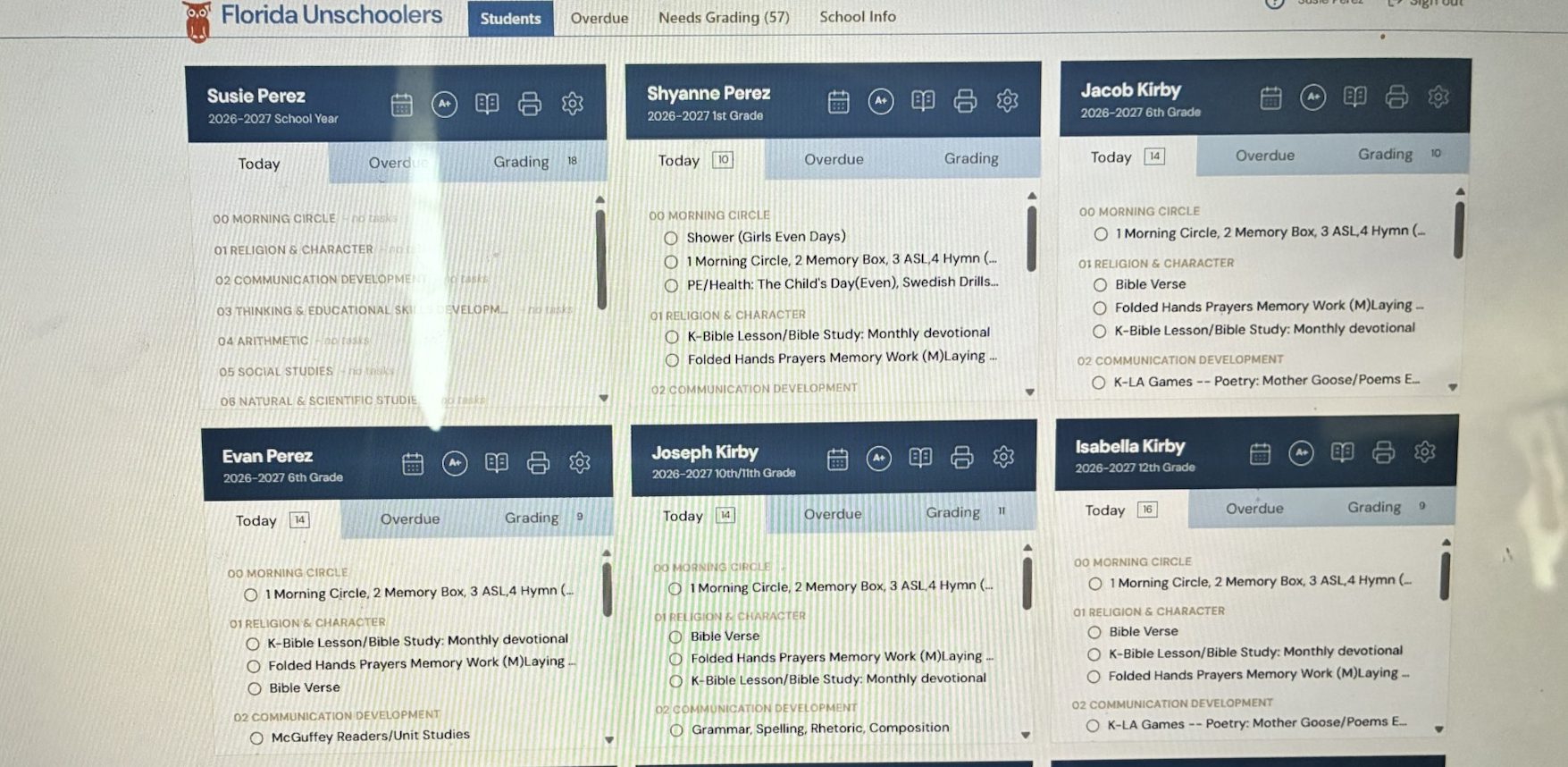
I can see all my students at a glance! I can also see any assignments that are overdue or need to be graded!
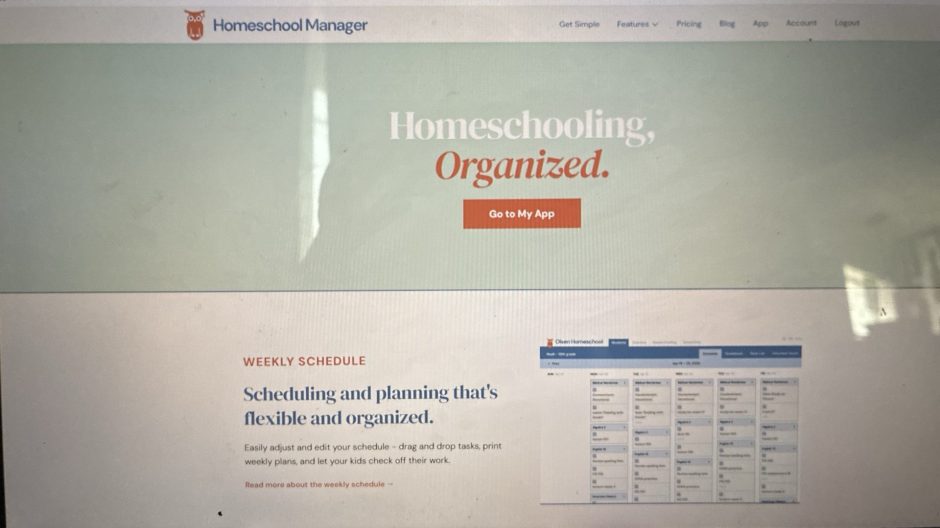
With five children homeschooling, I’ve learned that having a good system behind the scenes makes such a difference. One of the tools I use to keep everything organized is Homeschool Manager. I still keep my notebook too, but it may become a thing of the past with the new upgrades they have made to the program!
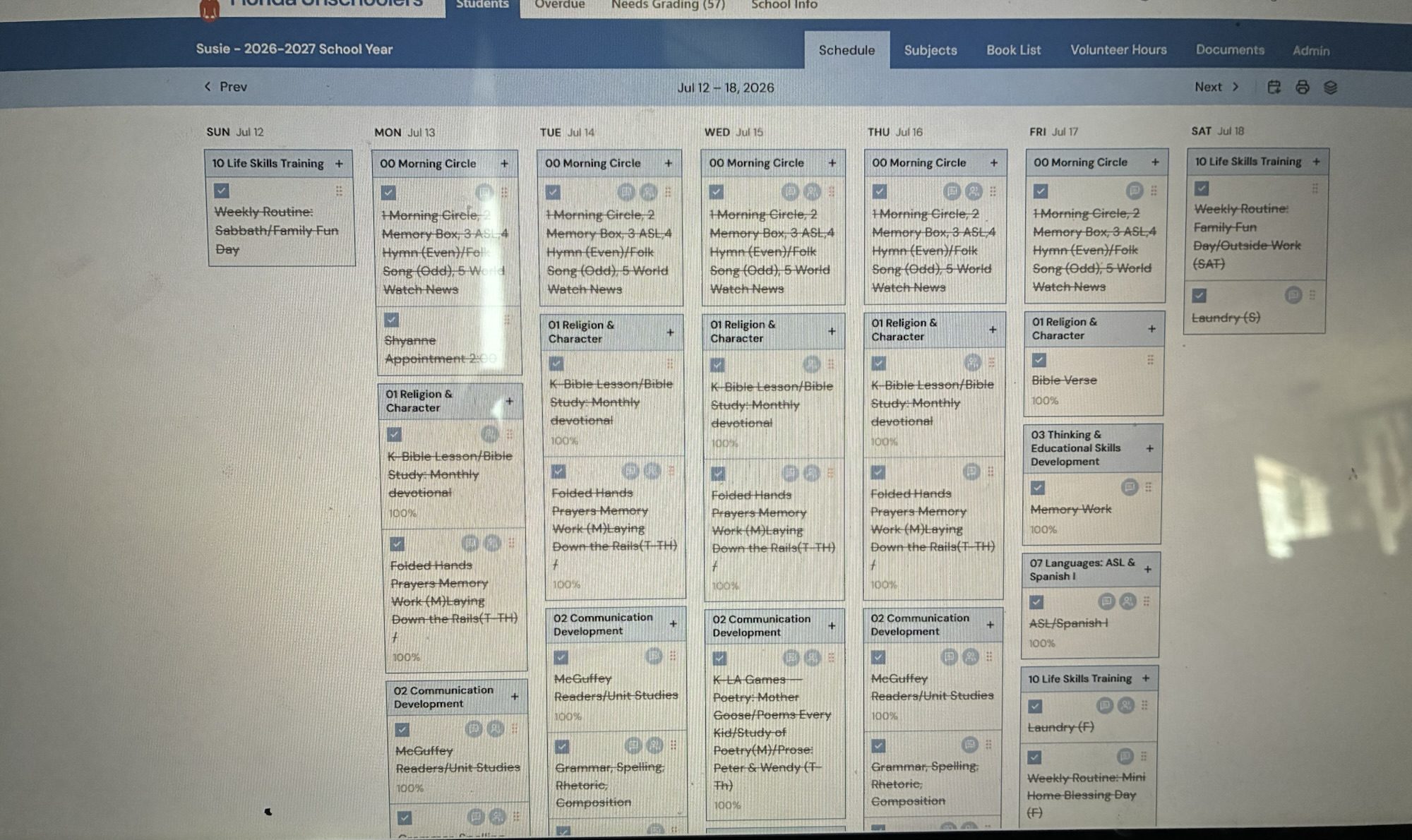
Drag & Drop tasks make it easy to adjust our schedule at a moment’s notice.
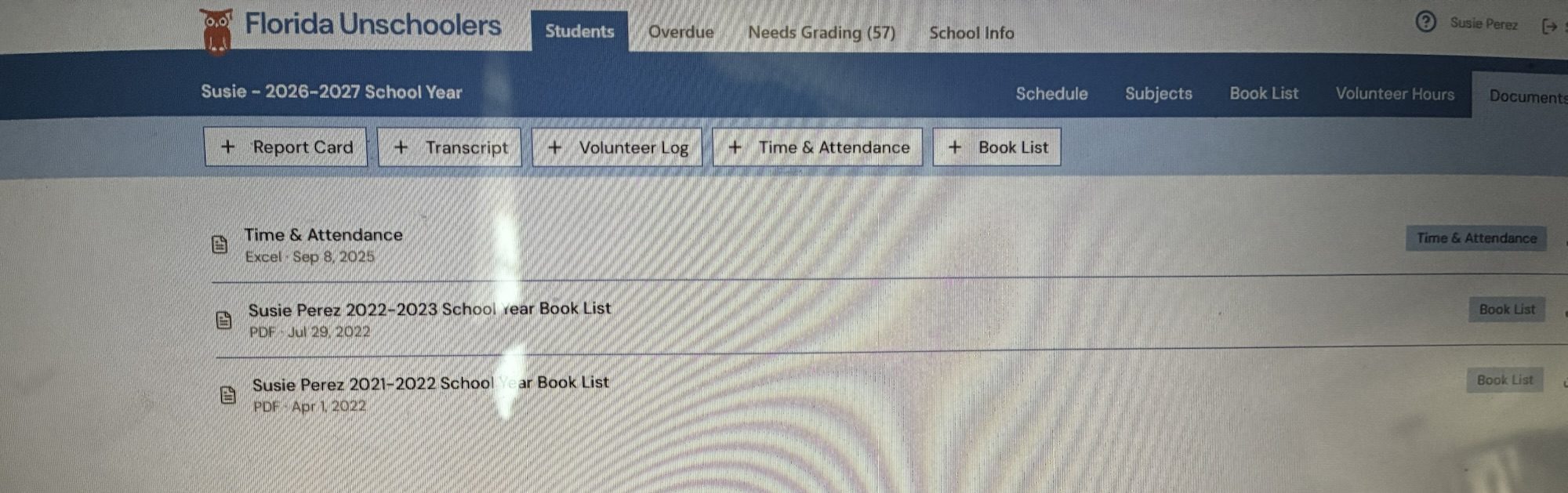
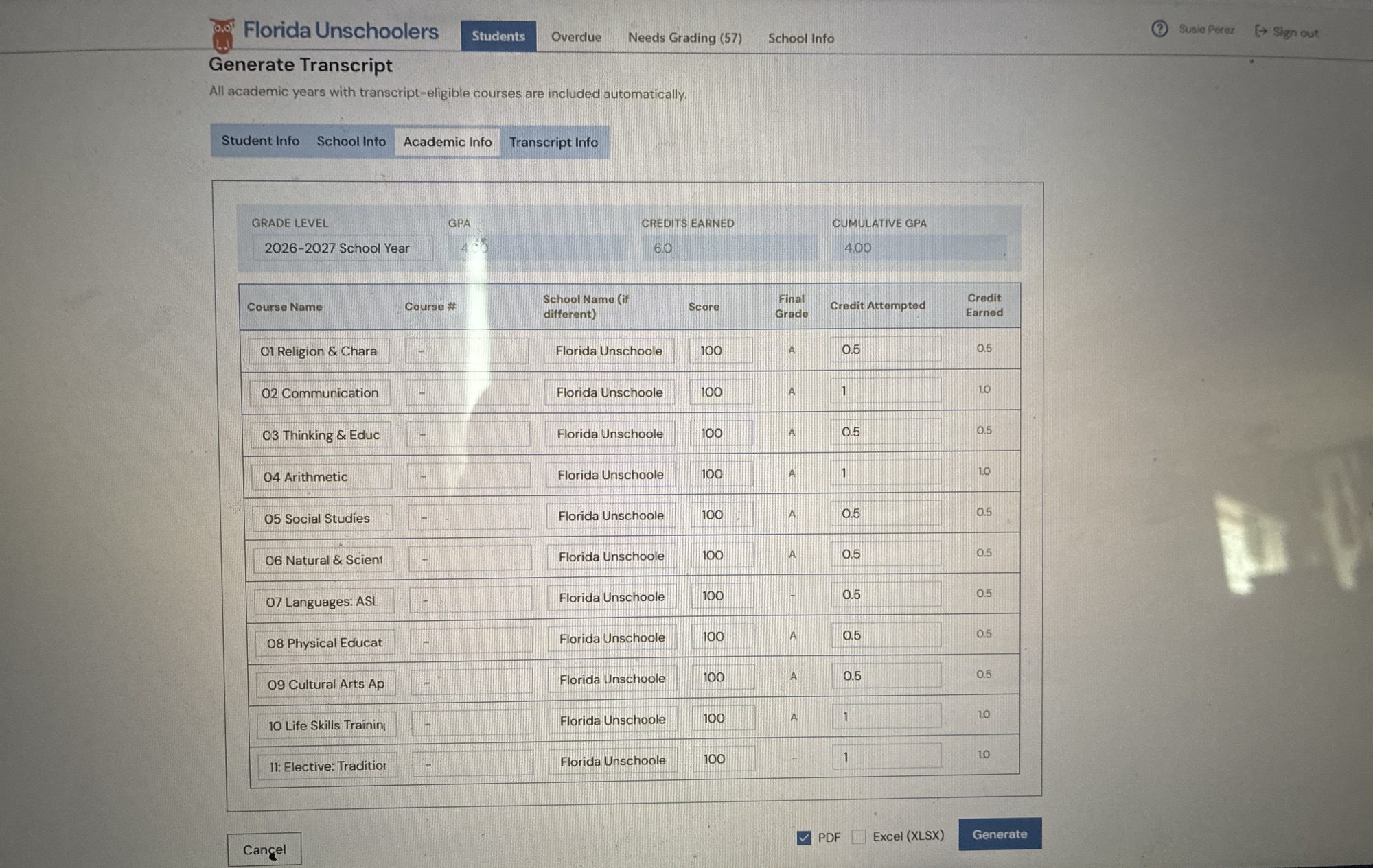
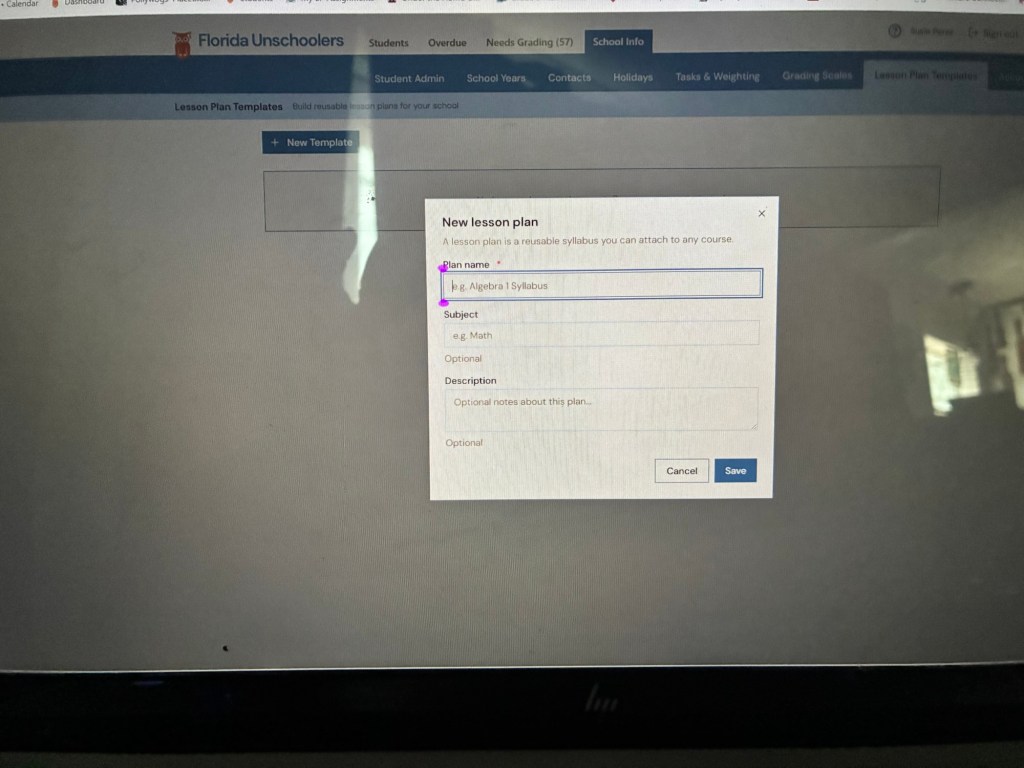
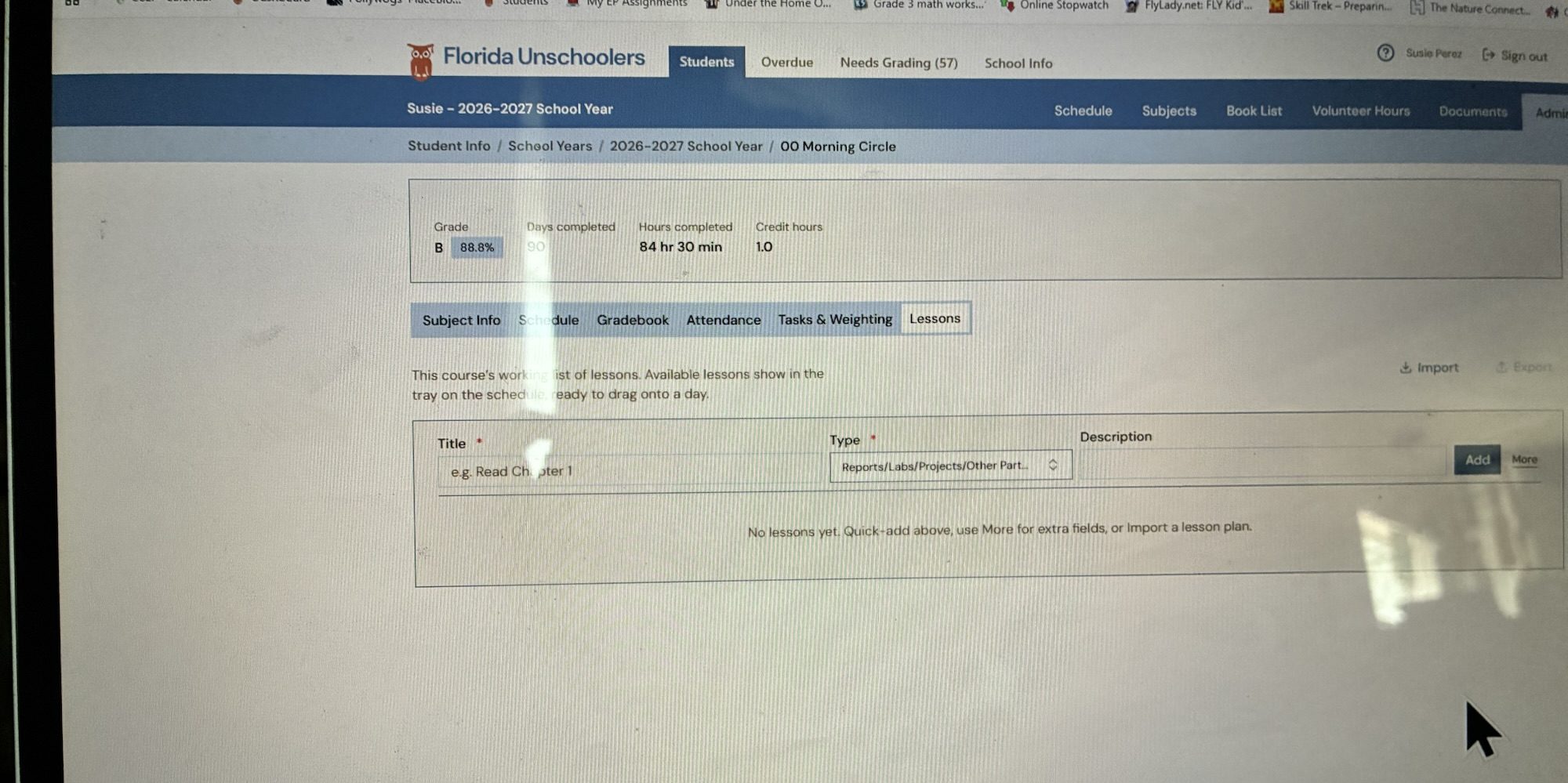
I can keep track of our lessons, grades, volunteer hours, book lists, and attendance all in one place instead of trying to piece everything together from notebooks, planners, and spreadsheets. And as my children get older, I especially appreciate being able to create report cards and transcripts from the records I’m already keeping. Your kiddos can even check off tasks independently, if that is something you want them to do!
I can generate reports with just a click of a button– no STRESS!
That means I’m not sitting down years later trying to remember what we did, when we did it, or what grade someone earned. I’m also not keeping piles of paperwork to collect dust. I also use the app to keep a note of upcoming appointments and events that we may need to adjust our schedule for… so nice to have everything in one spot!
Homeschool Manager has also recently made some upgrades, and I’ve really enjoyed how much more efficient and user-friendly it has become. When you’re managing several children at different ages and grade levels, anything that simplifies the administrative side of homeschooling gives you more time for what actually matters—teaching your children and enjoying the life you’re building together.
I love the freedom and flexibility of homeschooling, but I also want to know that I’m keeping good records along the way. Having one place where I can organize the practical side of our homeschool gives me a little more peace of mind and a lot less paper clutter.
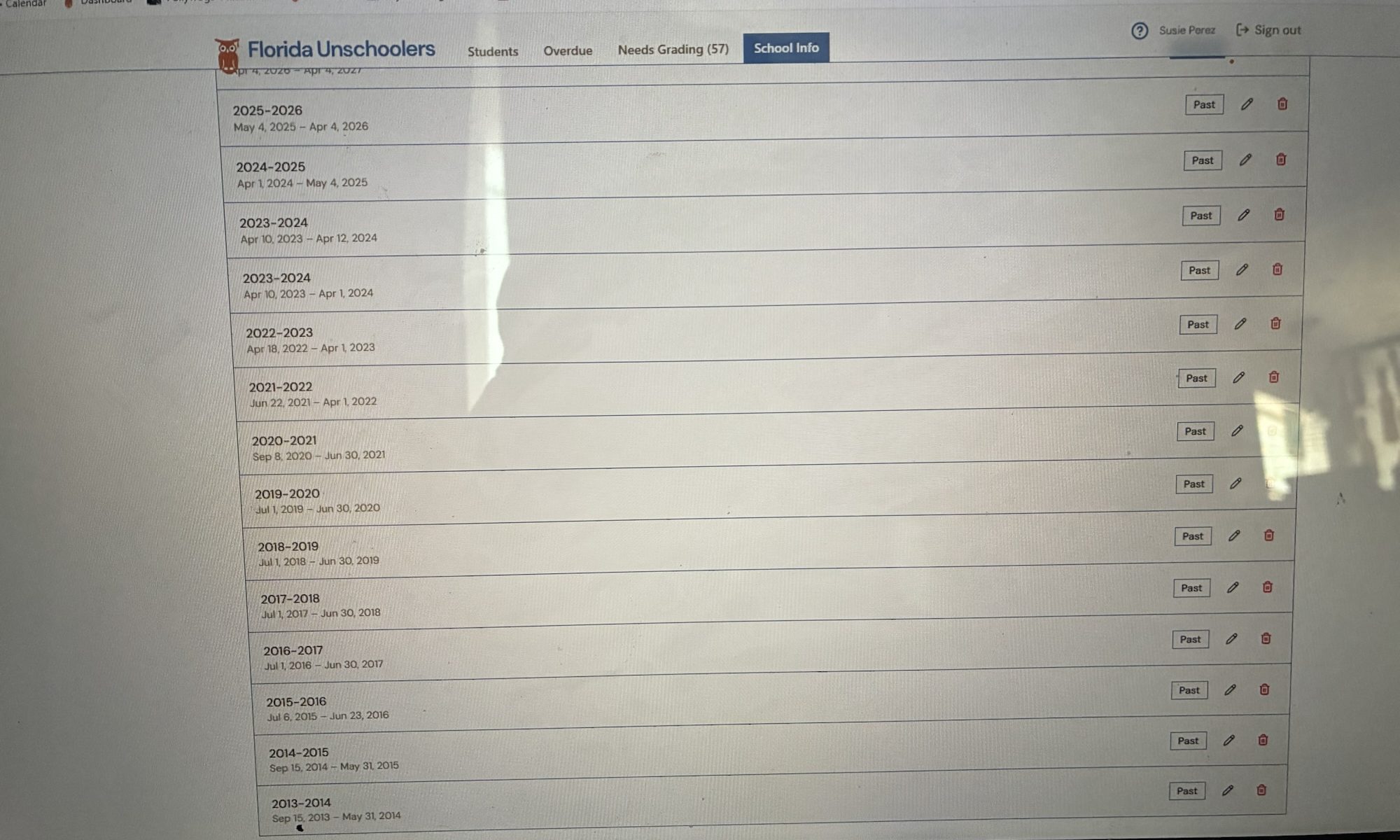
Over 12 years of records in one spot!
If you’re homeschooling multiple children—or you have a child approaching the high school years and you’re starting to think, “Wait…how am I going to make a transcript out of all of this?”—this may be a tool worth looking into.
Transcripts are so easy! I’ve graduated two homeschooled kiddos and used these … the colleges loved them!
Because our homeschool days may be full of books, projects, garden lessons, field trips, life skills, and plenty of beautiful chaos…but our records don’t have to be.
Homeschooling is about so much more than checking boxes—but having the boxes organized sure does help.
I pray that this helps someone else on their homeschool journey.
There are some things we can fix with our own hands.
We can mend a broken fence, replenish tired soil, prune an overgrown plant, and tend a struggling garden back to health.
But we cannot force another person’s heart to change.
Estrangement from a child, parent, sibling, other family member, or dear friend carries a unique kind of grief. We may long for another conversation, another chance to listen, an opportunity to apologize, or simply an open door where there has been silence.
Sometimes, after we have done all we know to do, the only thing left is to place that person into God’s hands.
That is why I created 31 Days of Prayer for Estranged Family & Friends: A Journey of Surrender, Healing, Forgiveness & Restoration.
Pip: Welcome back to Pollywog’s Place, where the questions are personal, the faith is real, and the waiting rooms of the heart are fully furnished.
Mara: Susie at Pollywog’s Place Blog has been sitting with the book of Ruth — and what comes out of that is a meditation on faith, longing, and the kind of character that actually holds up over time. Let’s start with what she’s really asking when she asks where her Boaz is.
Would The Real Boaz Please Stand Up?
Pip: The book of Ruth is a love story, but this post uses it as a lens for something more immediate — what does it actually look like to wait for a partner with integrity, and what does that waiting cost you in the meantime?
Mara: The post grounds that question in something concrete. Writing about the man she hopes to find, she says: “He would want to guard my heart and wipe my tears, not be the cause for them.”
Pip: That line earns its weight. It comes after a pattern of meeting men who seemed to carry those qualities and then didn’t — the false front drops, trust gets broken, and old wounds resurface. The standard isn’t wealth or status; it’s whether a person’s character holds when no one’s performing.
Mara: Right, and she’s explicit that she’s not asking about occupation or income. The traits she names — integrity, genuine kindness, giving without expectation, the willingness to lead — map directly onto how Boaz behaves in the text. He notices Ruth, protects her, and acts without being asked.
Pip: What makes the post land, though, is that she turns the same scrutiny on herself. The prayer list isn’t just for him — it’s equally long for her own becoming.
Mara: She puts it plainly: “I also try to pray that God will shape me and mold me into the person that my Boaz will need me to be.” That symmetry matters. She’s not waiting passively; she’s actively trying to become someone ready for what she’s asking for.
Pip: And she’s not searching, either — not in the conventional sense. The posture is trust that placement is God’s work, not hers. Which takes a particular kind of patience when rejection has already done its damage.
Mara: She names that directly — feelings of rejection creeping in from past hurts, the difficulty of trusting after someone has used her vulnerabilities against her. The faith isn’t naive; it’s chosen in full view of the cost.
Pip: Waiting with eyes open. That’s the harder version.
Mara: And the one she’s committed to.
Pip: Faith as an active posture, not a passive one — that’s the thread running through all of this.
Mara: It’s a distinction worth sitting with. More from Pollywog’s Place next time.
I’ve already found my ‘Boaz’, but I hope this encourages you, if you are still looking!